
Lawn
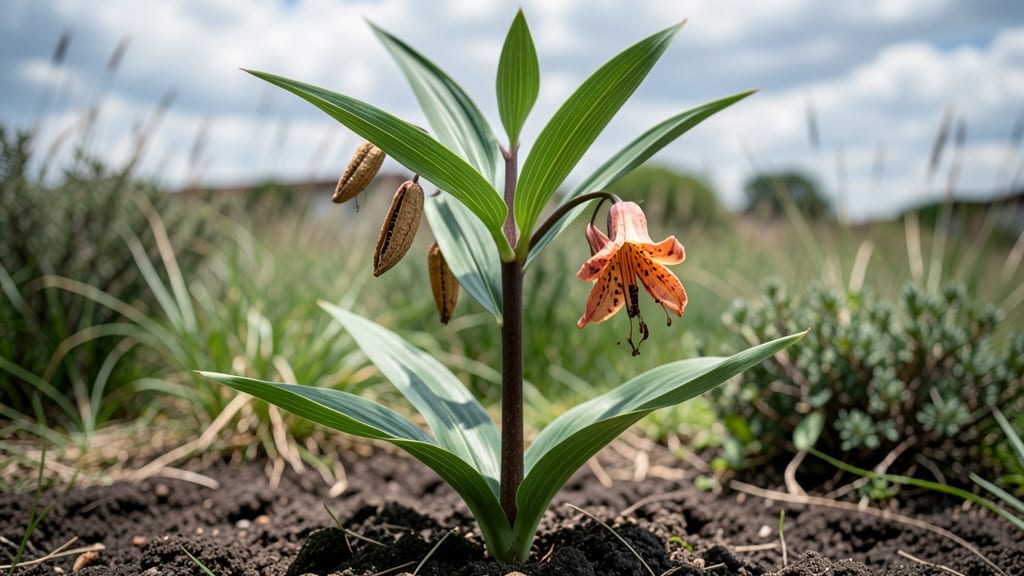
Harvesting tiger lily seed pods transforms last season's blooms into next year's vibrant lawn display. 🌸 The moment those papery pods turn brown and split open, you're holding the potential for bold orange and black-striped blooms that'll steal the show in late summer.
I've learned the hard way that timing matters—wait too long, and the seeds scatter; rush it, and they won't germinate properly.
You'll need a pair of scissors, a paper bag, and patience. Once the pods are fully dry but before they burst open, snip them off the stalk and place them in a bag to catch the seeds.
Store them in a cool, dry spot until planting time—usually 6-8 weeks before your last frost. The key is breaking their natural dormancy by giving them a cold treatment, just like their wild ancestors.
Planting these seeds directly in the ground gives you the strongest starts. Scatter them in well-draining soil with afternoon shade, then barely cover them—just enough to protect from birds.
Within 2-3 weeks, you'll see those first delicate shoots, and by next summer, your lawn will be dotted with tiger lilies that'll make your neighbors do a double-take.
The real magic happens when you pair them with companion plants like daylilies or salvias. These combinations create a low-maintenance, high-impact display that thrives with minimal fuss.
Just remember: tiger lilies are hungry feeders, so add some compost at planting time and watch them reward you with years of bold, reliable blooms.
📚 In This Guide
- What you need
- Instructions
- Tips and common mistakes
- Wrapping up and next steps
What you need
- ● Mature tiger lily plants: Choose healthy, established plants (at least 2–3 years old) with fully developed seed pods. Pro tip: 💡 Look for pods that are brown and slightly papery—they’re ready for harvest!
- ● Pruning shears or sharp scissors: A pair with clean, sterilized blades to avoid damaging the plant or spreading disease.
- ● Paper bags or breathable mesh bags: 2–3 bags (10x12 inches each) to collect seed pods and allow airflow during drying.
- ● Drying rack or screen: A flat, elevated surface (like a wire mesh rack or a wooden frame with chicken wire) to keep pods off damp surfaces.
- ● Labeling tags & permanent marker: To mark seed bags with the harvest date and variety (if applicable).
- ● Planting soil: A mix of well-draining potting soil (or garden soil amended with compost) for germination.
- ● Small pots or seed trays: 4–6 biodegradable pots (3–4 inches deep) or a seed tray with cells for sowing.
- ● Spray bottle with water: For gentle moisture during germination (avoid overwatering!).
- ● Gloves: Protect your hands from tiger lily sap, which can irritate skin.
- ● Fan or dehumidifier: Speeds up drying in humid climates.
- ● Planting schedule calendar: To track germination timelines (tiger lilies can take 4–8 weeks!).
- ● Mulch or straw: Helps retain moisture in seedling trays.
- ● Fertilizer (low-nitrogen): A balanced 10-10-10 or compost tea to boost young plants after sprouting.
Step-by-step guide to harvesting and planting tiger lily seed pods
Here’s how to turn those striking seed pods into next year’s bold, striped blooms.
🌿 Step 1: Identify and Harvest Mature Seed Pods
Wait until the seed pods turn a deep brown and begin splitting open naturally—this usually happens in late summer or early fall, about 6-8 weeks after the flowers fade. Gently twist the pods from the stem to avoid damaging the plant. You’ll know they’re ready when the pods feel dry and papery to the touch.
Harvest on a dry day to prevent mold. Place the pods in a paper bag or mesh sack to allow airflow while keeping them contained. If you miss the window and pods fall to the ground, collect them immediately—they’ll scatter seeds if left too long.
💧 Step 2: Dry the Seed Pods Thoroughly
Spread the pods in a single layer on a screen or clean towel in a warm, dry, shaded spot for 1-2 weeks. Avoid direct sunlight, which can cause the pods to overheat and crack prematurely. Stir them gently every few days to ensure even drying.
You’ll know they’re fully dry when the pods rattle when shaken and the seeds inside are loose. If any pods still feel damp, leave them a few more days. Over-drying won’t harm the seeds, but under-drying can lead to mold or failed germination.
✂️ Step 3: Extract and Store the Seeds
Once dry, gently crush each pod between your fingers or tap it lightly against a hard surface to release the seeds. Tiger lily seeds are large and dark brown, often with a papery coating. Remove any debris or empty pods, then store the seeds in a paper envelope or small mesh bag.
Label the bag with the variety and harvest date. Store in a cool, dry place (like a seed drawer) for up to 2 years—though they’re best planted fresh for the highest germination rate. Avoid plastic bags, which trap moisture and can cause rot.
🌱 Step 4: Plant the Seeds for Next Season
Sow seeds outdoors in early fall, about 6-8 weeks before your first frost. Scatter them ½ inch deep in well-draining soil, spacing them 6 inches apart—they’ll need room to grow into sturdy bulbs. Water lightly after planting to settle the soil.
Young tiger lilies take 2-3 years to bloom, but they’ll reward you with vibrant, striped flowers that return year after year. Mulch lightly in winter to protect the emerging bulbs from temperature swings. Patience pays off—these perennials multiply over time!
Tips & tricks for perfect tiger lily seed pod harvesting
Here's what nobody tells you about getting the most from your tiger lily seed pods.
Timing is Everything: The 6-8 week window after flowers fade is critical—don't harvest too early, or seeds won't be mature, but don't wait too long or they'll scatter naturally. I've learned to mark my calendar when the first flowers bloom to track this window accurately. Watch for that deep brown color and papery texture as your key indicators.
Harvesting Technique: When twisting pods from the stem, use a gentle but firm motion—think of unscrewing a lightbulb rather than pulling. This prevents damaging the plant's delicate stems while ensuring you get the whole pod intact. I've ruined too many harvests by yanking too hard and breaking stems, so take your time with each pod.
Drying Wisdom: That 1-2 week drying period in warm, shaded conditions is non-negotiable for seed viability. I've found that placing pods on a screen over a cardboard box works perfectly—it allows airflow underneath while keeping them contained. Stirring them every few days ensures even drying, which prevents mold from forming in any damp spots.
Storage Strategy: The cool, dry storage recommendation is about more than just keeping seeds viable—it's about maintaining their dormancy state. I've had the best luck with paper envelopes in a seed drawer where the temperature stays consistently cool. The key is to avoid any moisture exposure, which is why plastic bags are a no-go—they trap humidity that can cause rot.
Pro Tips for Tiger Lily Seed Pods
- Here's what nobody tells you about getting the most from your tiger lily seed pods.
- Timing is Everything: The 6-8 week window after flowers fade is critical—don't harvest too early, or seeds won't be mature, but don't wait too long or they'll scatter naturally.
- Harvesting Technique: When twisting pods from the stem, use a gentle but firm motion—think of unscrewing a lightbulb rather than pulling.
Frequently asked questions
Got questions about tiger lily seed pods?
You’re not alone! Here are answers to the most common queries—from harvesting to troubleshooting—so you can grow these stunning blooms with confidence.
When is the best time to harvest tiger lily seed pods?
Harvest seed pods when they turn brown and papery (usually late summer to early fall). Avoid collecting them too early—they won’t be fully mature, or too late, as they may split open and scatter seeds prematurely. Aim for a dry, sunny day to prevent mold.
How long does it take for tiger lily seeds to germinate?
Germination can take 2–4 weeks in ideal conditions (warm soil, 60–70°F, and consistent moisture). Some seeds may take longer, especially if stored improperly. For faster results, soak seeds in water for 24 hours before planting.
Can I plant tiger lily seeds directly in my lawn, or should I start them indoors?
Direct sowing works for hardy climates, but starting seeds indoors (6–8 weeks before last frost) gives them a head start. If your lawn has competitive grass, transplant seedlings to a garden bed for better growth. Tiger lilies thrive in well-drained soil with full sun!
Why aren’t my tiger lily seeds sprouting? Troubleshooting tips.
Seeds may fail to sprout due to old seeds (viability drops after 1–2 years), improper storage (moisture/mold), or cold soil. Try these fixes:
- Test viability by cutting open a seed—if the inside is firm and white, it’s good.
- Soak seeds in lukewarm water for 24–48 hours to soften the shell.
- Plant in a warm, protected spot (like a greenhouse) until soil warms.
Are tiger lily seeds invasive in my area? Should I remove them?
Tiger lilies can spread aggressively via rhizomes, but their seeds are less invasive. If you’re in a warm climate, monitor growth and divide clumps annually to control spread. In cooler regions, they’re generally well-behaved—just enjoy their bold blooms!
Wrapping up and next steps
Harvesting, drying, and planting tiger lily seed pods is a rewarding way to expand your garden’s beauty naturally! With patience and the right techniques, you’ll enjoy vibrant blooms year after year. Now’s your chance to turn those seed pods into a stunning lawn feature—why not start today?
✨ Next Steps:
- Gather your supplies and follow the step-by-step guide.
- Monitor your seed pods as they dry and prepare your planting site.
- Share your progress with fellow gardeners—tag us in your blooming results!