
Vegetables
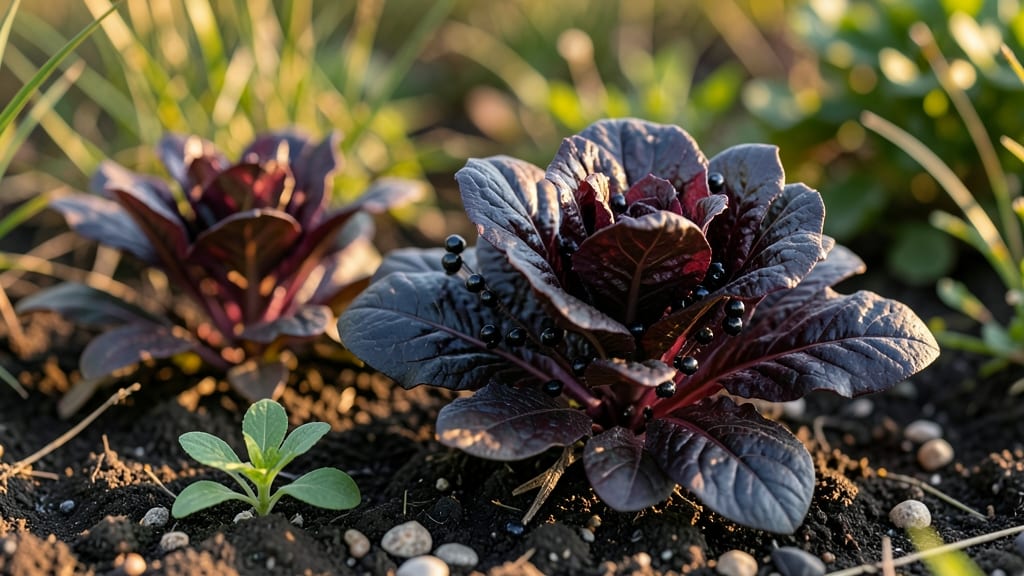
Understanding the Black Seed Lettuce stages 🥬 is the difference between a garden full of crisp, flavorful leaves and one that bolts before you can harvest.
If you’ve ever watched your seedlings stretch toward the light only to turn bitter or flower too soon, you know how frustrating it can be. The secret? Knowing exactly what to look for at each phase—from those first tiny sprouts to the perfect harvest window.
In this guide, I’ll walk you through every stage of growth, from germination to leaf formation, with clear visual cues and timing tips to help you avoid common mistakes. Whether you’re a beginner or a seasoned gardener, these insights will ensure your Black Seed Lettuce thrives.
You’ll learn how to spot the ideal harvest moment, troubleshoot issues like slow growth or yellowing leaves, and keep your plants producing fresh greens all season. Let’s get started!
Black seed lettuce growth stages: visual identification guide from seed to harvest
Growing black seed lettuce is incredibly rewarding, but knowing exactly when to harvest—or when to intervene—can be tricky. This visual guide breaks down each growth stage, from seed germination to harvest-ready heads, so you can confidently track progress and avoid common pitfalls like bolting or bitter leaves.
Whether you're a beginner or seasoned gardener, these stage-specific cues will help you optimize flavor and yield.
Black seed lettuce thrives in cool seasons, making it perfect for spring and fall planting. The entire process from seed to harvest typically takes 30 to 60 days, depending on variety and growing conditions.
Paying attention to leaf size, color, and texture at each stage ensures you don’t miss the ideal harvest window. Let’s dive into the details so you can grow crisp, flavorful lettuce every time.
At the seed germination stage, you’ll notice tiny green sprouts emerging from the soil within 5-10 days. This stage is critical because overwatering or dry soil can halt progress. Keep the soil consistently moist but not soggy and place seeds in a warm, sunny spot (60-70°F).
If germination takes longer than two weeks, check for heat stress or poor seed viability. A gentle misting can encourage faster sprouting.
Once your seedlings emerge with their first true leaves (not the initial cotyledons), they’re ready for the seedling stage. At this point, thin your seedlings to 12-18 inches apart to prevent competition.
If you notice yellowing leaves or stunted growth, it may signal nutrient deficiency or overcrowding. This is also when you should introduce a balanced fertilizer (like 5-10-10) to support robust growth.
During the leaf development stage, your lettuce will form a rosette shape with leaves reaching 4-6 inches.
This is where many gardeners make the mistake of assuming all lettuce varieties mature at the same rate. Black seed lettuce typically takes 20-30 days to reach this phase, but cooler temperatures can slow it down. Watch for bolting signs
How to time your black seed lettuce harvest for maximum flavor and yield
Timing your black seed lettuce harvest correctly ensures the best flavor and texture. Unlike some leafy greens, this variety thrives when harvested at the right moment—too early, and the leaves lack depth; too late, and they become bitter or bolt.
The ideal harvest window typically falls between 30 to 60 days after sowing, depending on your climate and growing conditions.
For maximum yield, I recommend monitoring your plants daily once they reach 4-6 inches tall. Look for dark green, crisp leaves with a slightly wrinkled texture—these are classic signs of readiness.
If you wait too long, the leaves may develop a bitter taste or start to yellow at the edges, signaling over-maturity.
🌱 Key Takeaway: Black Seed Lettuce Harvest Stages
Leaves 2-3" tall, tender but small. Best for baby greens.
Leaves 4-6" tall, dark green, crisp. Peak flavor.
Leaves >6", bitter, yellowing edges. Discard or compost.
There are two primary harvesting methods for black seed lettuce: cut-and-come-again and full-head harvesting. The cut-and-come-again method involves snipping the outer leaves when they reach 3-4 inches, leaving the inner leaves to continue growing.
This technique extends your harvest season by 2-4 weeks and is perfect for container gardens or small spaces.
For full-head harvesting, wait until the entire head is fully formed—typically 45-60 days after sowing. Look for a compact, deep green rosette with tightly packed leaves.
Once harvested, the plant will no longer produce new growth, so this method is best for gardeners who prefer a single, large harvest rather than a prolonged yield.
After harvesting, store your black seed lettuce properly to maintain freshness. Wrap the heads loosely in a damp paper towel and place them in a plastic bag in the refrigerator. This method keeps lettuce crisp for up to 10 days.
For cut-and-come-again leaves, rinse them thoroughly, pat dry, and store in an airtight container with a damp cloth to preserve moisture.
Watch for signs of bolting, where the plant sends up a tall flower stalk. This typically happens due to heat stress, drought, or long daylight hours. If you notice the plant elongating or developing flower buds, harvest immediately—bolted lettuce becomes bitter and woody.
To prevent bolting, provide consistent moisture and use shade cloth during hot afternoons if temperatures exceed 80°F.
By mastering these harvesting techniques and recognizing the key stages of growth, you’ll enjoy crisp, flavorful black seed lettuce straight from your garden all season long. 🥬