
Lawn
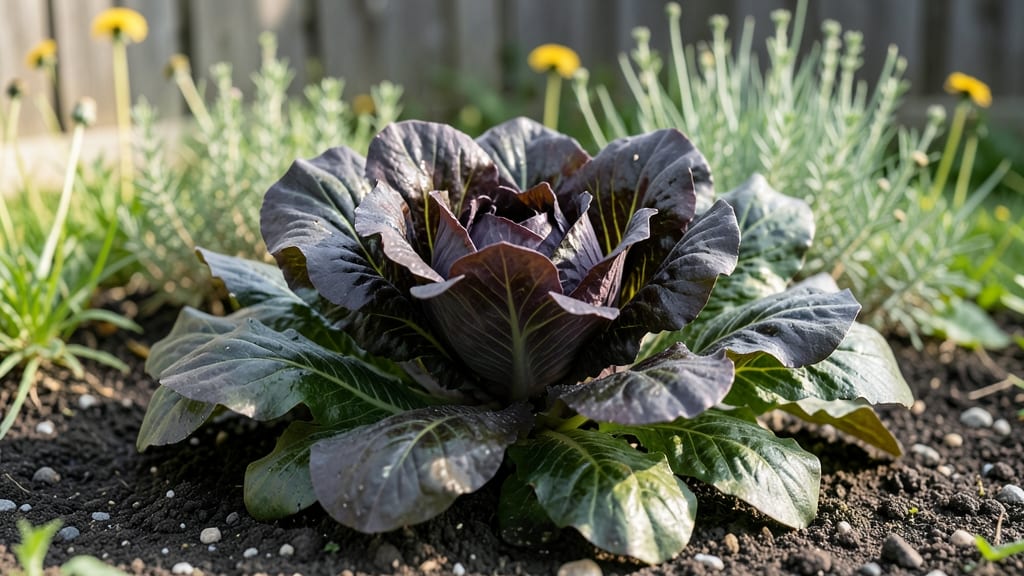
Growing Black Seed Simpson lettuce means crisp, flavorful harvests even when frost nips at the air. 🌱 This cold-hardy variety thrives where most lettuces bolt—perfect for early spring or late fall planting. I’ve grown it through 30°F nights without losing flavor, and it keeps producing until summer heat sets in.
The secret lies in its cut-and-come-again nature: harvest outer leaves, and new growth fills in within weeks. Start seeds indoors 4-6 weeks before last frost or direct-sow in cool soil (50-65°F). Space plants 12-18 inches apart—they’ll spread but stay compact, ideal for small gardens or containers.
You’ll love the sweet, mild taste that resists bitterness, even in heat. Water consistently (1 inch per week) and mulch to keep roots cool. A simple row cover extends the season, protecting from light frosts and pests like slugs.
Works in zones 3-10, from alpine gardens to coastal climates. Here’s how to keep it thriving all season!
📚 In This Guide
- What you need
- Instructions
- Tips and common mistakes
- Wrapping up and next steps
What you need
- ● Seeds: 1 packet (approx. 500-1,000 seeds) of Black Seed Simpson Lettuce (open-pollinated, heirloom variety)
- ● Growing Space: Direct sowing: A well-draining, sunny to partially shaded garden bed (6–12 inches of soil depth)
- ● Container gardening: 5–6 inch deep pots (at least 2 per plant) with drainage holes
- ● Soil: Loose, fertile soil with a pH of 6.0–7.0 (amend with compost if needed)
- ● Water: Consistent moisture (1–1.5 inches per week, especially during germination)
- ○ Fertilizer: Balanced organic fertilizer (5-10-5 ratio) or compost tea (optional but recommended)
- ● Hand Trowel or small garden hoe for sowing seeds
- ● Seedling Trays (if starting indoors, 72-cell trays work well)
- ● Row Cover or lightweight frost cloth (for cold-hardy protection)
- ● Mulch (straw or shredded leaves to retain moisture)
- ● Pruning Shears (for harvesting outer leaves)
- ● pH Test Kit (to monitor soil acidity)
Step-by-step guide to growing Black Seed Simpson lettuce
Here's how to grow this cold-hardy favorite from seed to harvest—no greenhouse needed.
🌱 Step 1: Prepare Your Planting Site or Containers
Black Seed Simpson thrives in well-draining soil with rich organic matter. If planting directly in the garden, loosen the top 6 inches of soil and mix in 2-3 inches of compost. This variety handles poor soil better than most lettuces, but amending still boosts flavor and cold resistance.
For container growing (ideal for small spaces), use pots at least 8 inches deep with drainage holes. Fill with a mix of 50% potting soil and 50% perlite or vermiculite—this prevents compaction and keeps roots aerated. I always test drainage by filling the pot, letting it drain completely, then refilling to check how quickly excess water runs out.
🌱 Step 2: Sow Seeds at the Right Time and Depth
Sow seeds ¼ inch deep, spacing them 12-18 inches apart in rows. Black Seed Simpson germinates best at 60-70°F, but can sprout as low as 40°F—perfect for early spring or fall plantings. I like to use a seedling flat for indoor starts 4-6 weeks before last frost, then transplant outdoors.
Keep soil consistently moist but never soggy during germination. A light misting with a spray bottle works best—too much water can wash seeds away or cause them to rot. You'll see sprouts in 7-14 days, though they may take longer in cooler weather.
☀️ Step 3: Provide Light and Protect from Bolting
Lettuce needs 4-6 hours of sunlight daily, but Black Seed Simpson tolerates partial shade better than most varieties. In hot climates, afternoon shade prevents bolting (when plants flower prematurely). I often grow mine under 30% shade cloth during summer to keep leaves tender.
Thin seedlings to 12 inches apart when they have 2-3 true leaves. This prevents overcrowding and gives each plant room to develop full heads. Use scissors to cut unwanted seedlings at soil level—pulling can disturb roots of nearby plants.
💧 Step 4: Water and Fertilize for Continuous Harvests
Water deeply 1-2 times per week, aiming for 1 inch of water total. Let the top 1 inch of soil dry between waterings to prevent rot. Drip irrigation or soaker hoses work best—they deliver water at soil level without wetting leaves, which reduces disease risk.
Fertilize lightly with a balanced organic fertilizer (10-10-10) every 4-6 weeks. Too much nitrogen makes leaves bitter, so I use half the recommended dose. Harvest outer leaves when they reach 3-4 inches—this encourages continuous growth and prevents the whole head from bolting at once.
⏰ Step 5: Harvest and Extend the Season
You'll get your first harvest in 50-60 days from sowing, but Black Seed Simpson keeps producing if you cut leaves properly. Snip the outer leaves just above a set of smaller leaves—this leaves the center intact and encourages regrowth. I always harvest in the morning when leaves are crispest.
For fall/winter harvests, protect plants with row covers or cold frames when temperatures drop below 20°F. This variety survives light frosts, but heavy freezes can damage leaves. In spring, remove covers during the day to prevent overheating and replace them at night.
Tips & tricks for growing Black Seed Simpson lettuce
Real talk: This cold-hardy lettuce variety is one of the easiest to grow—but these little details make all the difference.
Soil Prep Secret: When amending your garden soil with compost, mix it in just 2-3 inches deep—any deeper and you risk creating a compacted layer that roots can't penetrate. For containers, that 50/50 mix of potting soil and perlite is non-negotiable; perlite prevents the dreaded "soggy bottom" that kills lettuce roots. I've learned this the hard way after losing entire pots to root rot!
Germination Timing: The 7-14 day window for sprouts can feel like forever, but don't rush it. Keep soil consistently moist (not wet) using a spray bottle—this prevents seeds from washing away while maintaining that perfect germination moisture. Pro tip: Place your seed tray on a heating mat set to 70°F to cut germination time by half, especially in cooler springs.
Thinning Technique: When thinning seedlings to 12 inches apart, use clean scissors to snip at soil level rather than pulling. This prevents disturbing nearby roots and gives you perfect baby lettuce for salads. I always harvest these thinnings early in the morning when they're crispest—great for quick lunches!
Harvest Hack: For continuous harvests, focus on cutting outer leaves when they reach 3-4 inches rather than taking whole heads. The plant will regrow from the center, giving you fresh leaves for weeks. I've had plants produce for nearly 4 months this way—just keep that center intact and you'll be golden.
Pro Tips for Black Seed Simpson Lettuce
- Real talk: This cold-hardy lettuce variety is one of the easiest to grow—but these little details make all the differ...
- Soil Prep Secret: When amending your garden soil with compost, mix it in just 2-3 inches deep—any deeper and you risk...
- Germination Timing: The 7-14 day window for sprouts can feel like forever, but don't rush it. Keep soil consistently ...
Frequently asked questions
Is Black Seed Simpson lettuce really cold-hardy? Can I grow it year-round?
Black Seed Simpson is one of the toughest lettuces out there! It thrives in cool weather (down to 20°F/-7°C) and even tolerates light frosts. For year-round harvests, plant it in early spring and fall, or use row covers in winter. Just avoid summer heat—it’ll bolt faster than a toddler at a candy store!
How long does it take to harvest Black Seed Simpson lettuce?
This variety is a cut-and-come-again type, so you can start harvesting in as little as 4–6 weeks after sowing! For baby leaves, snip when plants are 3–4 inches tall. For full heads, wait until they’re 6–8 inches—but don’t delay, or they’ll get bitter or bolt.
Can I grow Black Seed Simpson in containers? What’s the best pot size?
This lettuce does well in containers. Use pots at least 6–8 inches deep and 12+ inches wide for multiple plants. Ensure they have drainage holes and fill with well-draining potting mix. Place pots in partial shade during hot afternoons to prevent bolting.
What pests or diseases should I watch for with Black Seed Simpson?
This variety is resistant to bolting and disease, but pests like aphids, slugs, and flea beetles can still be a nuisance. Use row covers early on to deter pests, and handpick slugs at night (gross but effective!). For aphids, spray with soapy water or introduce ladybugs. Rotate crops yearly to prevent soil-borne issues.
What’s the best way to store harvested Black Seed Simpson lettuce?
Store loose leaves in a paper towel-lined container in the fridge for 5–7 days. For whole heads, wrap them in damp paper towels and place in a plastic bag with holes. Avoid washing until ready to eat—excess moisture speeds up spoilage. Freezing isn’t ideal, but you can blanch and freeze chopped leaves for smoothies!
Are there alternatives to Black Seed Simpson for cold climates?
If you love cold-hardy greens, try these bolt-resistant alternatives:
- Winter Density – Another cold-tolerant romaine.
- Arctic King – A crisphead lettuce for sub-zero temps.
- Winterbor – A kale-like lettuce that thrives in winter.
- Arugula – Peppy, peppery, and frost-friendly.
Wrapping up and next steps
Black Seed Simpson lettuce is a game-changer for gardeners craving a cold-hardy, flavorful, and low-maintenance leafy green—no matter the season! 🌱 Its resilience, quick growth, and rich nutritional profile make it a standout choice for year-round harvests, whether you're a beginner or a seasoned pro.
Ready to elevate your garden? Start small with a few seeds or expand your plot—either way, you’ll be rewarded with crisp, delicious greens that keep giving.
🌟 Next Steps:
- Pick your spot: Ensure it gets partial shade (especially in hot climates) and well-draining soil.
- Plant with confidence: Follow the tips above and watch your lettuce thrive in weeks!
- Share the love: Tag us in your harvest pics—we’d love to see your Black Seed Simpson success! 📸