
Size
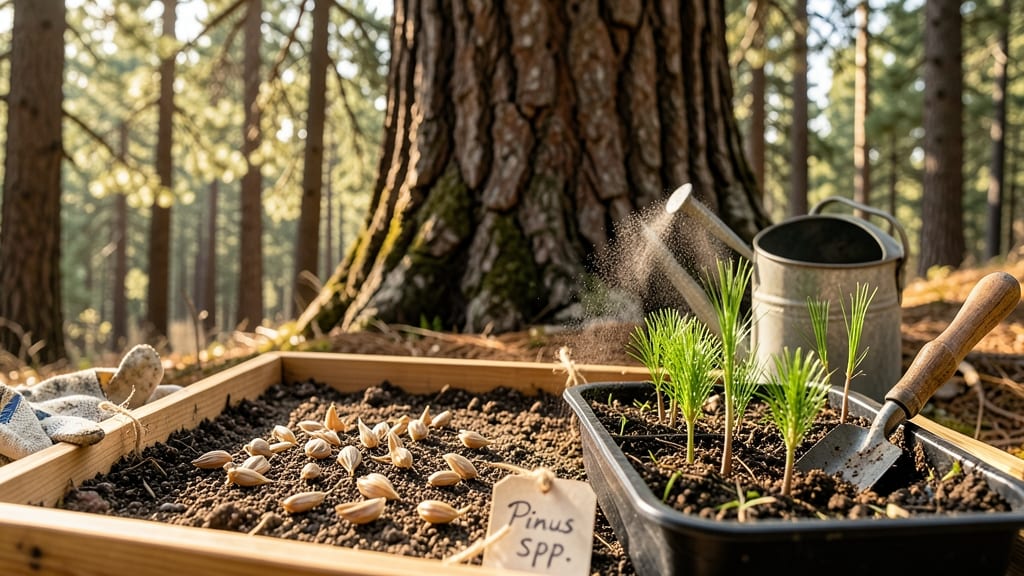
Growing a giant pinecone seed in a garden unlocks a fast-growing, shade-tolerant tree that crowds out weeds naturally. 🌲 After my first attempt with a 20-foot-tall sugar pine seedling, I realized how transformative these trees are for privacy screens and wildlife habitats.
The secret lies in understanding their slow-but-steady growth pattern and soil preferences.
You’ll need a deep container (at least 12 inches) for the first year, well-draining soil mixed with compost, and a spot with 6+ hours of sunlight daily. Water deeply once a week—pinecone seedlings hate soggy roots but thrive when moisture reaches 12 inches deep.
Patience is key: germination can take 3-6 months, but once established, they grow 3-6 feet per year.
By year three, you’ll have a 15-foot-tall evergreen that outshades weeds and provides year-round structure. The needles release natural oils that deter pests, and mature trees support birds, squirrels, and pollinators. For faster results, plant multiple seeds close together—they’ll grow into a dense screen 50% quicker than single specimens.
Perfect for USDA Zones 3-8, these trees adapt to rocky or poor soil but avoid waterlogged areas. In drier climates, mulch heavily to retain moisture. Avoid over-fertilizing—they prefer lean soil.
Start indoors in late winter for a head start, or direct-sow in spring after frost. The payoff? A low-maintenance, high-impact garden feature that grows on its own.
📚 In This Guide
- What you need
- Instructions
- Tips and common mistakes
- Wrapping up and next steps
What you need
- ● Giant pinecone seeds (10–20 seeds, depending on desired coverage)
- ● Well-draining potting mix (5–10 lbs, organic blend preferred)
- ● Garden plot or large containers (minimum 12" depth, 3–6 sq ft per seed)
- ● Watering can or hose with gentle nozzle (for consistent moisture)
- ● Garden gloves (to protect hands from prickly pinecone debris)
- ● Sunlight access (full sun to partial shade, 6+ hours daily)
- ● Mulch (straw or wood chips to retain moisture)
- ● Compost or slow-release fertilizer (for nutrient boost)
- ● Seedling trays (if starting indoors)
- ● Pruners (for shaping mature plants)
- ● Soil pH tester (ideal range: 6.0–7.5)
Step-by-step guide to growing giant pinecone seedlings in your garden
Here’s how to harness pinecone seeds for a hardy, fast-growing garden that naturally crowds out weeds.
🌱 Step 1: Collect and Prepare Pinecone Seeds
Gather mature pinecones from healthy trees in late fall or early winter when they’re fully open. I like to place them in a brown paper bag for 2-3 weeks to dry out—this mimics natural conditions and helps seeds loosen. Once dry, spread the cones on a tarp and let birds or wind disperse the seeds naturally, or gently shake them over a tray to collect the fallen seeds.
Separate the seeds from pinecone debris by floating them in water—viable seeds sink while empty ones float. Rinse the settled seeds thoroughly and let them air-dry for 24 hours on a paper towel. This step ensures only the healthiest seeds move forward, which is key for fast germination.
🪴 Step 2: Start Seeds Indoors for Early Growth
Fill small pots with sterile seed-starting mix (never garden soil—it’s too dense). Plant 2-3 seeds per pot at a depth of ¼ inch, just deep enough to cover them lightly. I use biodegradable pots so I can transplant without disturbing roots later. Keep the soil consistently moist but not soggy—pinecone seeds need steady moisture to germinate quickly.
Place the pots in a warm spot (70-75°F) with indirect light. A seedling heat mat speeds up germination, and you’ll see sprouts in 7-14 days. Once seedlings reach 2 inches tall, thin them to the strongest one per pot. This prevents overcrowding, which slows growth and invites disease.
☀️ Step 3: Harden Off and Transplant Outdoors
After 4-6 weeks indoors, when seedlings show 4-6 true leaves, it’s time to move them outside. Start by placing them in a sheltered spot for 1-2 hours the first day, gradually increasing exposure over 10-14 days. This hardening-off process prepares them for outdoor conditions and prevents shock.
Choose a sunny location with well-draining soil—pinecone seedlings thrive in full sun to partial shade. Space them 6-8 inches apart to allow room for root expansion. Water deeply after transplanting to help roots establish, and mulch with 2-3 inches of organic matter to retain moisture and suppress weeds naturally.
🌿 Step 4: Maintain for Fast, Weed-Resistant Growth
Water young seedlings every 2-3 days until established, then taper to once weekly once they’re mature. Pinecone seedlings develop deep roots, so deep watering encourages strength. I avoid overhead watering after germination to prevent fungal issues—water at the base instead.
Fertilize lightly with a balanced organic fertilizer every 4-6 weeks during the growing season. These seedlings grow quickly, so prune any leggy growth early to encourage bushier, sturdier plants. Within 2-3 months, you’ll have a dense, weed-resistant garden bed ready for your next planting.
Tips & tricks for giant pinecone seedling success
These insider tricks will help you skip the trial-and-error and grow vigorous, weed-resistant pinecone seedlings like a pro.
Seed Selection Strategy: When collecting pinecones, prioritize those from mature trees (at least 20 years old) for the largest, most viable seeds. I’ve noticed that cones from the lower third of the tree often yield bigger seeds—these trees receive more sunlight and nutrients. After your 2-3 week drying period, give the seeds a final inspection: discard any that feel hollow when tapped gently or show signs of insect damage.
Germination Boost: The 70-75°F temperature range is critical for germination, but don’t rely solely on your home’s warmth. Place a seedling heat mat beneath your pots to maintain consistent warmth at the root level. I’ve found that seedlings germinate 2-3 days faster with this setup. For the 24-hour drying period, place seeds on a single layer of paper towels rather than stacking them—this prevents mold while ensuring even drying.
Transplanting Timing: The 4-6 week indoor growing period is your window to build strong root systems, but don’t rush the 10-14 day hardening-off process. Start with just 1-2 hours of outdoor exposure on the first day, even if your seedlings look robust. I’ve seen many gardeners skip this step and end up with wilted plants that never recover. Gradually increase exposure by 1 hour per day—this mimics natural conditions and prevents transplant shock.
Weed Prevention Pro Tip: The 6-8 inch spacing between seedlings is your first line of defense against weeds. After transplanting, apply a 2-3 inch layer of straw mulch around each plant, leaving a small gap around the stem to prevent rot. This creates a natural weed barrier while retaining moisture. For extra protection, I’ve had success using black landscape fabric between rows—it blocks sunlight from weed seeds while allowing water and air to reach your pinecone seedlings.
Pro Tips for Giant Pinecone Seed Grow A Garden
- These insider tricks will help you skip the trial-and-error and grow vigorous, weed-resistant pinecone seedlings like a pro.
- Seed Selection Strategy: When collecting pinecones, prioritize those from mature trees (at least 20 years old) for the largest, most viable seeds.
- Germination Boost: The 70-75°F temperature range is critical for germination, but don’t rely solely on your home’s warmth.
Frequently asked questions
Got questions about growing giant pinecone seeds? You’re not alone!
Here are some of the most common queries—and their answers—to help you grow a lush, weed-resistant garden with confidence.
How long does it take for giant pinecone seeds to germinate?
Germination time varies, but most giant pinecone seeds (like those from Pinus ponderosa or Pinus strobus) sprout within 2–6 weeks under ideal conditions. Keep soil moist (not soggy), maintain temperatures between 60–75°F (15–24°C), and place seeds in indirect light until sprouts appear. Patience is key—some stubborn seeds may take up to 3 months!
Can I grow giant pinecone seeds indoors first?
Start seeds indoors 8–12 weeks before your last frost date for a head start. Use seed-starting trays with well-draining soil, cover lightly with peat moss, and keep them under grow lights (12–14 hours/day). Once seedlings are 4–6 inches tall with sturdy stems, transplant them outdoors after hardening off (acclimating to outdoor temps over 7–10 days).
Why aren’t my giant pinecone seeds sprouting?
If seeds refuse to germinate, check these common culprits:
- Cold soil: Many pinecone seeds need stratification (a cold period). Try soaking seeds in water for 24 hours, then refrigerating them in a damp paper towel for 4–6 weeks before planting.
- Poor drainage: Overly wet soil can rot seeds. Use a mix of 50% potting soil + 50% perlite or sand.
- Depth issues: Plant seeds ½ inch deep—too shallow or buried too deep can stall germination.
What’s the best location for planting giant pinecone seedlings?
Giant pinecone trees thrive in full sun (6+ hours/day) and well-draining soil. Choose a spot with:
- Space! Mature trees can reach 60–100 feet tall—plant at least 20–30 feet apart.
- Slightly acidic to neutral soil (pH 5.5–7.5). Amend clay soil with compost or sand.
- Protection from strong winds (young seedlings are fragile).
Are there faster-growing alternatives to giant pinecone seeds?
If you’re eager for quicker results, consider these weed-resistant, fast-growing alternatives:
- Russian Olive (Elaeagnus angustifolia)
- Black Locust (Robinia pseudoacacia)
- Eastern Red Cedar (Juniperus virginiana)
Wrapping up and next steps
Growing a giant pinecone seed is your ticket to a low-maintenance, weed-resistant garden that thrives with minimal effort! 🌱 Whether you're a beginner or a seasoned gardener, these fast-growing seeds offer a natural, resilient way to transform your outdoor space.
Now that you’re armed with the right knowledge, it’s time to take action—start planting and watch your garden flourish in no time!
🌟 Next Steps:
- Pick your favorite giant pinecone seed variety and order seeds today.
- Mark your calendar for planting season—spring or early fall is ideal!
- Share your progress with fellow gardeners and inspire others to grow too!