
Lawn
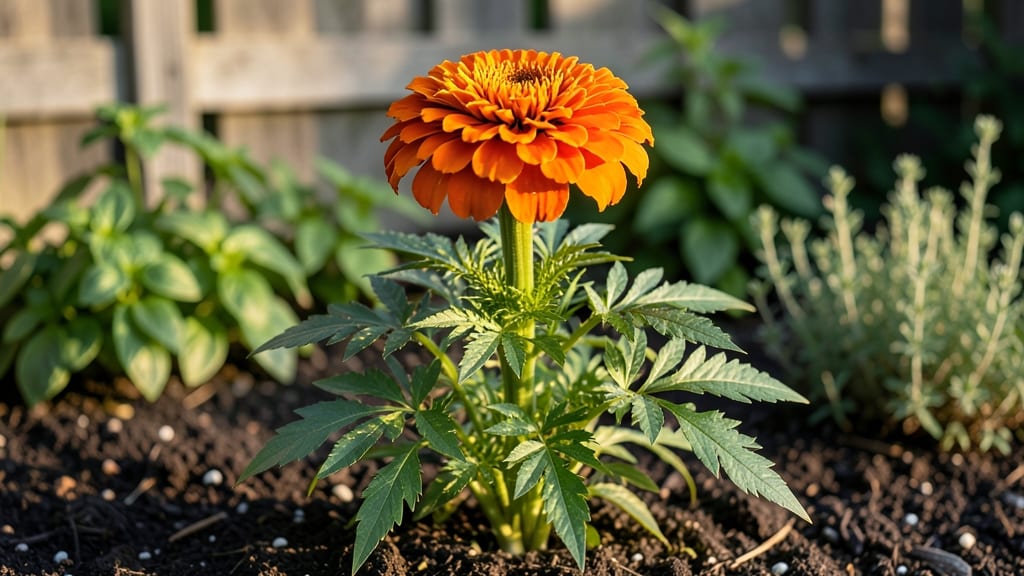
Growing American seed marigolds transforms your garden into a pest-repelling, pollinator magnet with bold orange blooms that last all summer. 🌻 I’ve grown these sun-loving annuals for years, and they’re the secret weapon in my vegetable beds—they deter nematodes, rabbits, and even mosquitoes while adding vibrant color.
These hardy plants thrive in poor soil and drought conditions, making them perfect for beginners or busy gardeners. Start seeds indoors 6-8 weeks before last frost or sow directly after soil warms to 60°F, and watch them self-seed like crazy for next year’s garden.
By midsummer, you’ll have foot-tall plants covered in bright blooms that attract bees and butterflies while keeping pests at bay. The more you deadhead spent flowers, the more they’ll produce—zero fuss, maximum impact. Works in containers, borders, or mixed with veggies.
Here’s how to grow them like a pro!
📚 In This Guide
- What you need
- Instructions
- Tips and common mistakes
- Wrapping up and next steps
What you need
- ● Seeds: 1 packet of Tagetes erecta (American Seed Marigold) – ~20-50 seeds per packet (check spacing needs).
- ● Seed-starting mix: 1 bag (10-15 lbs) of sterile, well-draining potting soil (or coco coir for eco-friendly options).
- ● Containers: For seedlings: 4-6 small pots (3-4 inches deep) or a seedling tray with cells.
- ● For transplanting: 1-2 gallon pots or direct outdoor planting space (12-18 inches apart in full sun).
- ● Watering can or spray bottle: With a fine rose nozzle for gentle watering.
- ● Fertilizer: Balanced, water-soluble fertilizer (5-10-5 or 10-10-10 NPK ratio) or compost for organic growth.
- ○ Gloves (optional but recommended): To protect hands from soil and thorns.
- ● Trowel: For transplanting seedlings or digging holes.
- ● Pruning shears: To trim dead blooms and encourage bushier growth.
- ● Mulch: Straw or shredded leaves to retain moisture and suppress weeds.
- ● Pest control: Neem oil or insecticidal soap (preventative measure for aphids/pests).
- ● Garden markers: To label your marigold rows (helpful if you’re new!).
- ○ Sunlight meter (optional): To ensure your garden gets the ideal 6-8 hours of full sun.
Step-by-step guide to growing American seed marigolds
Here's how to cultivate these vibrant pest-repelling blooms with minimal fuss.
🌱 Step 1: Choose the Right Location and Prepare the Soil
American seed marigolds thrive in full sun—at least 6-8 hours daily. I always pick a spot that gets morning sun and afternoon shade if your climate runs hot, especially in summer. These plants hate soggy feet, so amend your soil with compost or aged manure to improve drainage. Work it into the top 6 inches of soil until it feels light and crumbly.
Test your soil's pH—marigolds prefer 6.0-7.0. If your soil is too acidic, sprinkle crushed limestone and mix it in. You'll see the difference immediately in how easily the roots spread when you plant. The goal is loose, well-draining soil that holds just enough moisture without becoming compacted.
🌱 Step 2: Direct Sow Seeds at the Right Time
Sow seeds 2-3 weeks after your last frost date when soil temperatures reach 60°F or warmer. Marigolds don't transplant well, so I always sow directly in the garden. Plant seeds ¼ inch deep and 1 inch apart in rows spaced 12-18 inches apart. This spacing gives them room to mature without overcrowding.
Water gently after sowing to settle the soil around the seeds. Keep the planting area consistently moist until germination, which typically occurs in 7-14 days. You'll know it's working when you see the first tiny green shoots pushing through the soil. Resist the urge to water heavily—marigolds are drought-tolerant once established, but seeds need steady moisture to sprout.
☀️ Step 3: Maintain Consistent Care for Healthy Growth
Once seedlings reach 2-3 inches tall6 inches apart to give each plant enough space. Thin carefully with scissors to avoid disturbing roots. Water at the base 1-2 inches deep every 2-3 days during dry spells, but let the top inch of soil dry between waterings. Overwatering leads to root rot, which is the last thing you want with these hardy plants.
Fertilize lightly with a balanced 10-10-10 formula when flowers first appear. Too much nitrogen encourages leafy growth at the expense of blooms. You'll see the best results when you feed just enough to support flowering without overstimulating foliage. Deadhead spent blooms regularly to encourage continuous flowering throughout the season.
✂️ Step 4: Harvest and Extend the Blooming Season
Cut back faded blooms with clean pruners to just above the next set of leaves. This practice, called deadheading, signals the plant to produce more flowers. I always harvest in the morning when blooms are fully open and water content is highest. Store cut flowers in cool water to preserve their vibrant orange color.
To extend the blooming season, mulch around plants with 2-3 inches of straw or shredded leaves in late summer. This keeps roots cool and conserves moisture. If frost threatens before fall, cover plants with a light frost blanket. With proper care, American marigolds can keep blooming until the first hard freeze, providing months of pest-repelling beauty.
🪴 Step 5: Prepare for Next Season
After the first frost blackens the foliage, cut back stems to 2 inches above ground level. Leave the roots in the ground—they'll decompose naturally and enrich the soil. Mark the spot and avoid planting heavy feeders there next year, as marigolds improve soil structure and suppress weeds.
Collect seeds from the best-performing plants by allowing a few blooms to mature fully. The seed heads will turn brown and papery. Dry them indoors, then store in a cool, dark place. You'll have fresh marigolds ready to sow again next spring with minimal effort. The key is consistency—these plants reward patience with bold color and pest control all season long.
Tips & tricks for perfect American seed marigold cultivation
These little-known strategies will help you grow the hardiest, most vibrant orange marigolds that thrive year after year.
Sunlight Strategy: While the instructions call for 6-8 hours of full sun, I've found that morning sun with afternoon shade in hot climates actually produces more blooms. The intense afternoon heat can stress the plants, causing them to focus on leaf growth rather than flowers. If you're in a particularly hot region, consider planting near a north-facing wall or using shade cloth for the hottest afternoon hours.
Soil Preparation Secret: The instructions mention amending soil with compost, but I take it a step further by creating raised beds for marigolds. This gives you complete control over drainage and soil composition. Fill your raised bed with a mix of 60% garden soil, 30% compost, and 10% perlite to ensure perfect drainage while retaining moisture. This approach eliminates the guesswork about soil pH and texture that can vary in in-ground planting.
Timing Technique: When the instructions say to sow seeds 2-3 weeks after your last frost date, I always check soil temperatures with a soil thermometer. I wait until the soil consistently reaches 65°F rather than just 60°F—this warmer soil temperature speeds up germination and gives seedlings a stronger start. The extra 5°F makes a noticeable difference in how quickly those first green shoots appear.
Watering Wisdom: The 1-2 inches deep watering recommendation works well, but I've developed a simple test to determine when it's time to water. Stick your finger about 1 inch into the soil—if it feels dry at that depth, it's time to water. This method prevents both overwatering and underwatering, both of which can stress your marigolds. I've found this finger test gives me more consistent results than relying solely on a schedule.
Pro Tips for American Seed Marigold
- These little-known strategies will help you grow the hardiest, most vibrant orange marigolds that thrive year after year.
- Sunlight Strategy: While the instructions call for 6-8 hours of full sun, I've found that morning sun with afternoon shade in hot climates actually produces more blooms.
- Soil Preparation Secret: The instructions mention amending soil with compost, but I take it a step further by creating raised beds for marigolds.
Frequently asked questions
Got questions about growing American Seed Marigolds?
You’re not alone! Here are answers to the most common queries—from planting tips to pest control—so you can enjoy those bold orange blooms with confidence.
When is the best time to plant American Seed Marigolds?
Plant them after the last frost when soil temperatures reach at least 55°F (13°C). For a continuous bloom, stagger plantings every 2–3 weeks until early summer. They thrive in warm weather and can even be grown as annuals in cooler climates. Pro tip: Start seeds indoors 4–6 weeks before the last frost for an early jumpstart!
Do American Seed Marigolds really repel pests like mosquitoes and nematodes?
Their strong scent deters pests naturally. Plant them near vegetables like tomatoes, peppers, or herbs to keep mosquitoes, aphids, and even nematodes at bay. For best results, interplant them in garden beds or use them as borders. Bonus: The scent also masks other plants’ fragrances, confusing pests!
How long does it take for American Seed Marigolds to bloom?
From seed to flower, expect 60–70 days in ideal conditions (full sun, well-draining soil). If planted from transplants, blooms may appear in 4–6 weeks. Deadhead spent flowers to encourage nonstop blooming all season long! Patience pays off: The first flowers are worth the wait.
Can I grow American Seed Marigolds in containers or small spaces?
Yes! They adapt well to containers as long as pots are at least 6–8 inches deep and have drainage holes. Use a high-quality potting mix and place them in full sun. Just ensure they’re spaced 12–18 inches apart to prevent overcrowding. Urban gardeners rejoice: These thrive on balconies and patios too!
Why aren’t my American Seed Marigolds blooming?
Lack of blooms often signals over-fertilizing (too much nitrogen = leafy growth, not flowers). Try cutting back on fertilizer and deadhead regularly. Also, check for underwatering or shady spots—they need 6+ hours of sun daily. If soil is too rich, mix in compost to balance nutrients. Fix it fast: Trim leggy stems to encourage bushier, flower-heavy growth!
What’s the difference between American Seed Marigolds and French Marigolds?
| Trait | American Seed Marigold | French Marigold |
|---|---|---|
| Height | 2–5 feet tall | 1–2 feet tall |
| Flower Color | Golden-yellow or orange | Red, orange, or bicolor |
| Pest Repellent | Excellent for nematodes/mosquitoes | Milder repellent; better for aphids |
| Garden Use | Back of beds, borders, or tall containers | Front of beds, edging, or small pots |
Wrapping up and next steps
Growing American Seed Marigolds is a rewarding way to add vibrant color to your garden while keeping pests at bay naturally! 🌼 These hardy, pest-repelling blooms thrive with minimal effort—just provide well-draining soil, sunlight, and a little patience.
Whether you're a beginner or seasoned gardener, their bold orange hues and low-maintenance nature make them a must-have for any lawn or container.
Ready to transform your outdoor space? Start by planting your seeds this season—your garden (and pollinators!) will thank you. Happy growing! 🌱