
Propagation
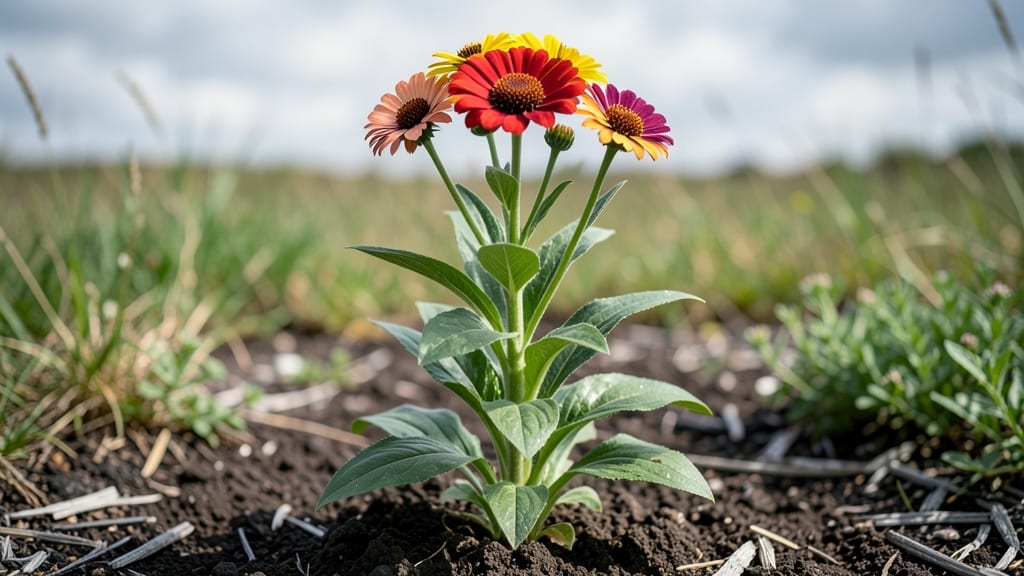
Growing zinnias from seed to flower is the fastest way to get bold, sun-loving blooms in just 60 days—no fancy equipment needed. 🌻 I’ve turned my patchy garden into a riot of color by starting zinnias directly in the ground, skipping the indoor fuss entirely.
The secret? Timing, a little patience, and knowing exactly when to plant for nonstop summer blooms.
You’ll need packets of zinnia seeds (any variety—my favorite is ‘Benary’s Giant’ for those oversized blooms), well-draining soil, and a sunny spot that gets at least 6-8 hours of light daily.
Zinnias are tough—drought-tolerant, disease-resistant, and happy in heat—but they’ll reward you with cut flowers that last weeks in a vase if you follow a few simple rules. No need for expensive setups; even a small pot on your porch works if you’re short on space.
From seed to first bloom, you’ll see fast results: germination in 5-10 days, seedlings ready to transplant in 2-3 weeks, and flowers opening 6-8 weeks after planting.
The key is thin seedlings so they don’t crowd (overcrowding = leggy, weak stems), and deadhead spent blooms to keep the flowers coming. By mid-summer, you’ll have a garden that’s practically buzzing with pollinators—and neighbors asking for cuttings.
Works in any climate (just adjust planting time for early frosts) and thrives in containers, beds, or even hanging baskets. The only mistake I made? Waiting too long to plant—zinnias are impatient, and they’ll bolt if you’re not ready.
Start them 2-3 weeks before your last frost date, and you’ll have blooms by early summer. Ready to grow?
📚 In This Guide
- What you need
- Instructions
- Tips and common mistakes
- Wrapping up and next steps
What you need
- ● Zinnia seeds: Choose a variety (e.g., Benary’s Giant, Profusion, or Crystal). Buy 50–100 seeds for a small garden or 200+ seeds for a full bed.
- ● Seed-starting mix: 1–2 gallons of sterile, well-draining potting soil (avoid garden soil—it can harbor diseases).
- ● Containers: For indoor seed starting: 4–6 small seed trays (2–3 inches deep) or 50+ biodegradable peat pots.
- ● For direct sowing: A prepared garden bed with loose, fertile soil.
- ● Watering can or spray bottle: A fine-mist nozzle to avoid disturbing seeds.
- ● Grow lights or sunny windowsill: A full-spectrum LED grow light (12–16 hours/day) or a south-facing window (if indoors).
- ○ Gloves (optional): Protect your hands from soil and thorns (especially for Benary’s Giant varieties).
- ● Plant labels: Small stakes or tags to mark varieties (zinnias grow fast—you’ll want to keep track!).
- ● Fertilizer: A balanced, water-soluble fertilizer (e.g., 10-10-10) or compost tea for organic growth.
- ○ Twine or stakes (optional): Tall varieties (like State Fair) may need support as they reach 3–4 feet.
- ○ Pruning shears (optional): For deadheading spent blooms to encourage more flowers.
How to grow zinnias from seed to bold blooms
Here's how to coax vibrant zinnias from tiny seeds into showstopping summer blooms—no fuss, just results.
🌱 Step 1: Start Seeds Indoors or Direct-Sow After Frost
Zinnia seeds germinate best in warm soil, so I wait until after the last frost date to direct-sow outdoors. If you prefer starting indoors, sow seeds 4-6 weeks before transplanting in biodegradable pots filled with light, well-draining seed-starting mix. Press seeds just below the surface—no need to bury them deeply—and keep the soil consistently moist at 70-75°F.
Germination takes 7-14 days, but don't be tempted to overwater. The soil should stay evenly damp, not soggy. Once seedlings emerge, thin to one strong plant per pot by snipping weaker stems at the base. You'll know they're ready when the first pair of true leaves appear—those are the tiny, feathery ones that look nothing like the adult plant.
☀️ Step 2: Harden Off and Transplant for Sun-Loving Growth
If you started seeds indoors, harden off seedlings by placing them outside in a sheltered spot for 1-2 hours daily over 7-10 days. Gradually increase their outdoor time until they can handle full sun. Direct-sown seeds? Skip this step—they're already toughened up.
Transplant seedlings or direct-sown seedlings into the garden when soil temperatures reach 60°F and all frost risk has passed. Space them 8-12 inches apart in full sun—zinnias thrive in 6+ hours of direct sunlight daily. The more sun, the bolder the blooms. Water deeply at transplanting to help roots establish, but avoid wetting the foliage to prevent fungal issues.
💧 Step 3: Water Deeply and Feed for Continuous Blooms
Zinnias hate soggy roots but need consistent moisture to produce those dramatic flowers. Water 1 inch per week, letting the soil dry slightly between waterings. You'll know it's time when the top inch feels dry to the touch. Mulch around plants with 1-2 inches of organic mulch to retain moisture and suppress weeds—just keep it a few inches away from the stems to prevent rot.
Feed plants with a balanced liquid fertilizer (10-10-10) every 2-3 weeks once flowers appear. I swear by a mid-season boost with phosphorus-heavy fertilizer to encourage more blooms. Deadhead spent flowers by pinching them off just above a set of leaves—this triggers nonstop reblooming until frost. Watch for buds forming along the stems; these will open into your next round of showy blooms.
✂️ Step 4: Prune and Support for Long-Stemmed Cut Flowers
To encourage strong stems for cutting, pinch back the main stem when it reaches 6 inches tall. This forces the plant to branch out, producing more flowers on sturdy stems. If your zinnias start to flop under the weight of their own blooms, stake them with 6-inch floral stakes or weave them into a loose trellis. The goal is to keep stems upright so they don't snap when you harvest.
Harvest flowers in the early morning when blooms are fully open but still crisp. Cut stems at a 45-degree angle just above a leaf node to encourage regrowth. A single zinnia plant can yield 50+ stems over the season if you keep deadheading and fertilizing. Store cut flowers in water and they'll last 7-10 days in a vase—longer than most annuals.
⏰ Step 5: Extend the Season with Late Plantings
Zinnias grow so quickly that I often make a second planting 4-6 weeks after the first. This ensures blooms from early summer through frost. Choose heat-tolerant varieties like 'Benary's Giant' or 'Profusion' for the longest season. If your summers are scorching, provide afternoon shade to prevent wilting—zinnias appreciate a break from the midday heat but still need full sun overall.
As temperatures drop, zinnias slow down but won't die back until hard frost. Save seeds from your favorite varieties by letting a few flowers go to seed on the plant. Dry the seed heads completely, then rub them between your hands to release the seeds. Store them in a cool, dry place for next year's garden. With this method, you'll have zinnias blooming boldly for 10+ weeks—far longer than most annuals.
Tips & tricks for perfect zinnia cultivation
These simple strategies will help you transform those tiny seeds into bold, showstopping blooms with minimal effort.
Seed Starting Intelligence: If you're starting indoors, use clear plastic domes or seal containers with plastic wrap to maintain that 70-75°F soil temperature. The humidity creates a mini greenhouse effect that speeds germination—you'll see those first leaves appear in just 7-14 days instead of waiting weeks. Just remember to remove the cover once sprouts emerge to prevent damping off.
Harden Off Like a Pro: For the 7-10 days of hardening off, I place my seedlings in a sheltered spot where they get morning sun but afternoon shade. This gradual transition prevents shock. Watch for leaves that look slightly wilted after the first day—this is normal! They'll perk up as they adjust. By day 3, they should be ready for full sun exposure.
Transplanting Wisdom: When soil temperatures hit 60°F and you're ready to transplant, water your seedlings thoroughly the night before. This gives roots a head start in the new location. After planting, water deeply again and apply a 1-2 inch layer of mulch around the base—just keep it clear of the stems. This helps retain moisture and prevents soil-borne diseases from splashing onto the foliage.
Deadheading Discipline: I can't stress this enough—consistent deadheading is the key to nonstop blooms. Use clean, sharp scissors or your fingers to pinch off spent flowers just above a set of leaves. This redirection of energy forces the plant to produce new buds along the stems. I make it a habit to check my zinnias every morning after watering—it takes just a few minutes and yields dramatic results.
Pro Tips for Zinnia From Seed To Flower
- These simple strategies will help you transform those tiny seeds into bold, showstopping blooms with minimal effort.
- Seed Starting Intelligence: If you're starting indoors, use clear plastic domes or seal containers with plastic wrap to maintain that 70-75°F soil temperature.
- Harden Off Like a Pro: For the 7-10 days of hardening off, I place my seedlings in a sheltered spot where they get morning sun but afternoon shade.
Frequently asked questions
Got questions about growing zinnias from seed to flower?
You’re not alone! Here are answers to the most common queries—no fuss, just fast, helpful insights to keep your zinnias thriving.
How long does it take for zinnia seeds to germinate?
Zinnia seeds typically sprout in 7–14 days after planting, depending on temperature and moisture. Keep soil consistently moist (but not soggy) and place seeds in a warm spot—70–75°F (21–24°C) speeds things up! If you’re impatient, try soaking seeds overnight for a slight boost. Pro tip: Use a heat mat if germination feels slow.
Can I plant zinnia seeds directly in the garden, or should I start indoors?
Both work! For a head start, sow seeds indoors 4–6 weeks before your last frost date (they hate cold soil). But zinnias are tough—direct sowing after frost is fine too! Just wait until soil is at least 50°F (10°C) and keep seedlings thinned to 12–18 inches apart for airflow.
Why aren’t my zinnia seeds sprouting? Troubleshooting tips?
No sprouts? Check these fixes:
- Depth: Seeds need light—plant ¼ inch deep max.
- Moisture: Keep soil damp (not drenched) but avoid letting it dry out.
- Temperature: Too cold (<50°F/10°C) stalls germination.
- Freshness: Old seeds (<1 year) may fail—test viability by soaking in water.
How do I keep zinnias from flopping over in wind or rain?
Zinnias are top-heavy! Prevent flopping with these tricks:
- Stake early: Insert 6-inch stakes at planting and tie stems loosely as they grow.
- Deadhead: Snip spent blooms to encourage bushier growth (and fewer floppy stems).
- Choose dwarf varieties: Try ‘Thumbelina’ or ‘Crystal’ for shorter, sturdier plants.
- Plant in groups: Cluster 3–5 plants together—they’ll lean on each other for support!
What’s the best way to harvest zinnia flowers for bouquets?
Pick zinnias in the morning after dew dries for longest vase life. Snip stems at a 45° angle just above a leaf node, then strip lower leaves. Change water every 2 days and add a splash of bleach (1 tsp/gallon) to prevent bacteria. Fun fact: Zinnias last 7–10 days in arrangements—longer than many cut flowers!
Wrapping up and next steps
Growing zinnias from seed to flower is a rewarding journey that yields vibrant blooms in just 60 days—with minimal effort! 🌸 Whether you’re a seasoned gardener or a beginner, these cheerful flowers prove that beauty thrives with a little patience and care.
Now that you’ve mastered the basics, why not expand your garden?
🌱 Your Next Steps:
- Experiment with colors: Try planting different zinnia varieties (like Benary’s Giant or Profusion) for a dazzling mix!
- Extend the season: Deadhead spent blooms to encourage more flowers or save seeds for next year.
- Share the joy: Gift cuttings or seeds to friends—zinnias spread happiness as easily as they spread color!
Your green thumb is growing—keep blooming! 🌟