
Lawn
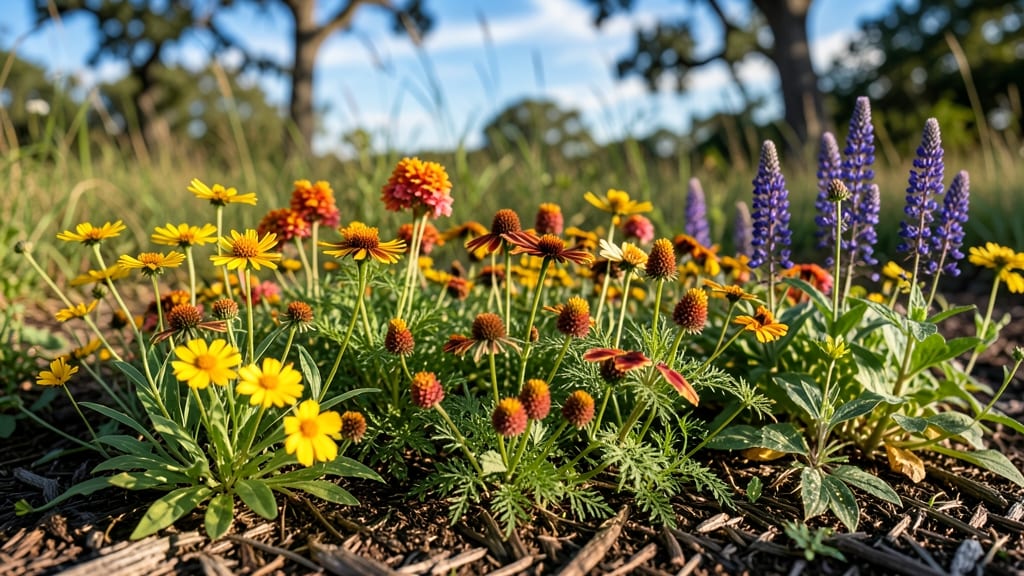
Your Florida wildflower seed mix transforms bare ground into a buzzing pollinator paradise in just 60 days. 🌸 I planted mine last spring after years of watching bees struggle to find food—now my yard is a magnet for butterflies, hummingbirds, and native bees.
The secret lies in choosing the right native species that thrive in Florida’s heat and humidity while requiring almost no maintenance once established.
Start with well-drained soil (no need to till—just scratch the surface) and scatter seeds in full sun. Lightly rake them in and keep the area moist for the first 4-6 weeks—after that, they’re tough enough to handle Florida’s occasional dry spells.
Most mixes include core native species like blanketflower, partridge pea, and black-eyed Susan, which attract pollinators year-round and outcompete weeds naturally.
By day 60, you’ll see vibrant blooms covering the ground, creating a carpet of color that lasts well into fall. The flowers provide nectar and pollen for months, while their deep roots prevent erosion and reduce water runoff.
My neighbors now ask where I got my “magic lawn”—it’s just Florida’s native beauty doing what it does best.
Works in sun-drenched yards, roadside medians, or even container gardens. The only challenge? Resisting the urge to water too much after establishment—these tough plants actually prefer occasional drought once rooted. Here’s how to make it happen without the guesswork.
📚 In This Guide
- What you need
- Instructions
- Tips and common mistakes
- Wrapping up and next steps
What you need
- ● Florida Native Wildflower Seed Mix – 1–5 lbs (depending on area size; ~1 lb covers 100 sq ft)
- ● Well-draining soil – Test soil pH (ideal range: 5.8–7.5)
- ● Rake or garden hoe – For loosening soil
- ● Water source (hose or sprinkler)
- ○ Optional mulch or straw – 1–2 inches to retain moisture (helps in hot climates!)
- ● Garden gloves – Protect your hands from prickly soil
- ○ Broadcast spreader – For even seed distribution (optional but handy!)
- ● Sunlight marker – Identifies full-sun spots (critical for wildflowers!)
- ○ Organic fertilizer (optional) – Low-nitrogen, phosphorus-rich (e.g., 5-10-10) for early growth
Step-by-Step instructions for planting Florida wildflower seed mix
Transform your Florida landscape into a buzzing pollinator paradise in just 60 days.
🌱 Step 1: Prepare the Site for Optimal Germination
Choose a sunny location with 6+ hours of direct sunlight daily—Florida wildflowers thrive in full sun. Clear the area of weeds, grass, and debris, then loosen the top 4-6 inches of soil with a rake or tiller. This ensures good seed-to-soil contact, which is critical for wildflower germination.
Test the soil pH—most native Florida wildflowers prefer a slightly acidic to neutral range of 5.5-7.0. If your soil is too alkaline, mix in 1-2 inches of compost to improve fertility and structure. Avoid heavy garden soil; wildflowers grow best in well-draining, sandy loam typical of Florida's native habitats.
💧 Step 2: Scatter Seeds and Lightly Cover
Spread the wildflower seed mix evenly over the prepared area. For best results, aim for about 1-2 pounds per 100 square feet. I like to scatter seeds by hand on a calm day to avoid clumping. Lightly rake the soil to cover seeds with no more than ¼ inch of soil—this prevents them from drying out while still allowing sunlight to reach them.
Water the area gently but thoroughly until the soil is moist 2-3 inches deep. Use a fine mist setting on your hose to avoid disturbing the seeds. Keep the soil consistently moist (not soggy) for the first 2-3 weeks—this is when most seeds germinate. Overwatering can wash seeds away, while underwatering prevents sprouting.
☀️ Step 3: Maintain Moisture and Monitor Growth
Once germination begins, you’ll see tiny green sprouts within 7-14 days. Reduce watering to 1-2 times per week, allowing the top inch of soil to dry between waterings. Wildflowers are drought-tolerant once established, but young seedlings need consistent moisture to develop strong roots.
Watch for weeds—pull them immediately as they compete with wildflowers for nutrients and sunlight. Thin seedlings if they grow too crowded, spacing them about 6-12 inches apart for optimal growth. By 60 days, you should see vibrant blooms attracting butterflies, bees, and hummingbirds.
✂️ Step 4: Support Pollinators Through the Seasons
After the first flush of blooms, allow some flowers to seed naturally to ensure next year’s growth. However, you can deadhead spent blooms to encourage a second flowering in late summer or fall. This keeps your garden vibrant and provides continuous nectar for pollinators.
Mulch around plants with 1-2 inches of straw or pine needles to retain moisture and suppress weeds. Avoid thick mulch layers—wildflowers prefer lean soil and may struggle if smothered. By the end of the first year, your pollinator haven will be self-sustaining with minimal care.
Tips & tricks for planting Florida wildflower seed mix
Here's what I've learned after planting wildflowers across Florida's diverse ecosystems—these details make all the difference between a patchy garden and a thriving pollinator haven.
Site Selection Secret: While full sun is ideal, Florida's afternoon heat can be intense. If planting in summer, consider areas with morning sun and afternoon shade to prevent seed desiccation during those critical first 2-3 weeks. I've found that slightly elevated ground (like a gentle slope) helps with drainage while still getting plenty of sunlight.
Soil Prep Strategy: The 4-6 inch soil loosening in Step 1 is crucial, but don't overdo it—wildflowers prefer loose, not fluffy soil. Use a broadfork instead of a tiller to preserve soil structure. For sandy Florida soils, mix in 1 inch of compost (instead of the 1-2 inches recommended for alkaline soil) to improve moisture retention without compacting the soil. This mimics Florida's native sandy loam perfectly.
Seed Scattering Technique: When spreading your 1-2 pounds per 100 square feet, work in small sections to avoid overlap. I find that using a seed spreader set to its finest setting gives the most even distribution. For larger areas, walk in a grid pattern to ensure complete coverage. After scattering, gently press seeds into the soil with your hand or a board—this creates better seed-to-soil contact than raking.
Watering Wisdom: The 2-3 inch deep watering is essential, but timing matters just as much. Water in the early morning (before 8 AM) to prevent fungal growth from evening moisture. Use a rain gauge to measure exactly 1 inch of water per week during the first 2-3 weeks—this mimics Florida's natural rainfall patterns and prevents both underwatering and overwatering. A soaker hose works best for even distribution without disturbing seeds.
Pro Tips for Florida Wildflower Seed Mix
- Here's what I've learned after planting wildflowers across Florida's diverse ecosystems—these details make all the difference between a patchy garden and a thriving pollinator haven.
- Site Selection Secret: While full sun is ideal, Florida's afternoon heat can be intense.
- Soil Prep Strategy: The 4-6 inch soil loosening in Step 1 is crucial, but don't overdo it—wildflowers prefer loose, not fluffy soil.
Frequently asked questions
Got questions about growing a vibrant Florida wildflower meadow? We’ve got answers!
Here are some of the most common queries from gardeners eager to transform their landscapes into pollinator paradises.
When is the best time to plant Florida wildflower seed mix?
The ideal planting window is late summer to early fall (August–October). This aligns with Florida’s natural rainfall patterns, giving seeds the moisture they need to germinate without competing with summer heat or winter drought. For spring plantings, aim for February–March and water consistently until established.
How long does it take for wildflowers to bloom after planting?
With proper care, you’ll see first blooms in 60–90 days! Patience is key—most varieties take 2–3 months to germinate, but once established, they’ll reward you with colorful blooms from late fall through spring. Some perennials (like coreopsis or black-eyed Susans) may take a full season to reach peak beauty.
Do I need to water my wildflower seeds daily?
Nope! Light, frequent watering is better than deep soaks—keep the soil moist but not soggy for the first 2–3 weeks. After germination, reduce watering to 1–2 times per week (or as needed during dry spells). Once established, wildflowers are drought-tolerant—let nature take over!
Will wildflowers attract bees and butterflies? What about pests?
Florida wildflower mixes are designed for pollinators—expect butterflies, bees, and hummingbirds within weeks. As for pests, deer and rabbits usually avoid mature wildflowers, but young seedlings might tempt them. A lightweight chicken wire barrier can help until plants reach 6+ inches tall.
Can I mix wildflower seeds with grass seed?
While possible, we don’t recommend it—wildflowers thrive in full sun with minimal mowing, while grass needs regular upkeep. For a low-maintenance pollinator lawn, consider thinning grass clumps or planting wildflowers in dedicated beds (3–4 feet wide) along fences, borders, or sunny patches.
What if my wildflowers don’t grow? Troubleshooting tips.
Poor germination?
Check soil moisture—seeds need consistent dampness (not mud). Try a light mulch (straw, not wood chips) to retain moisture.
Weeds taking over?
Hand-pull early weeds or spot-treat with vinegar spray (1:3 vinegar:water) before wildflowers sprout.
No blooms yet?
Some varieties are slow to establish. Thin seedlings to 6–12 inches apart for better airflow and sunlight.
Pro tip: If birds snack on seeds, try pre-sprouting seeds indoors (moisten paper towels, wait 3–5 days) before transplanting.
Wrapping up and next steps
Transforming your Florida landscape into a vibrant, pollinator-friendly haven is simpler—and more rewarding—than you think! 🌸 With the right Florida wildflower seed mix, you can create a thriving ecosystem in just 60 days, supporting bees, butterflies, and birds while adding beauty to your yard.
The key? Patience, preparation, and a little love for nature’s helpers.
Ready to take the next step? Start small—whether it’s a corner of your garden, a sunny patch of soil, or even a container. Grab your seeds, follow the steps, and watch your space bloom into a buzzing paradise. Your future pollinators will thank you!