
Lawn
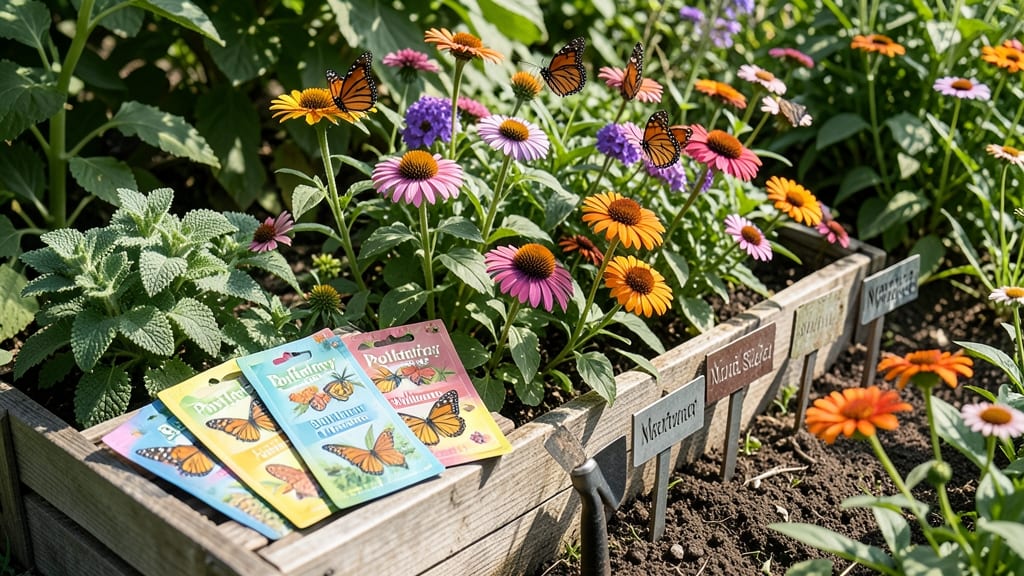
Transform your yard into a fluttering paradise in just 60 days with the right butterfly garden seed mix. 🌿 I’ve watched my once-boring backyard turn into a magnet for monarchs, swallowtails, and fritillaries—all by planting the perfect blend of native wildflowers and host plants.
The key isn’t just throwing seeds in the ground; it’s choosing a mix that provides food for every stage of a butterfly’s life, from caterpillar to adult. Start with a pre-mixed blend that includes milkweed for monarchs, coneflowers for nectar, and parsley for black swallowtails.
These seeds are packed with the right proportions to ensure blooms within 6-8 weeks, giving butterflies a steady buffet. The best part? You’ll see results faster than with individual plants, and the ecosystem thrives without extra effort.
By summer, you’ll have a garden alive with color and movement—purple coneflowers swaying, orange monarchs flitting between blooms, and caterpillars munching on fresh milkweed leaves. The air hums with wings, and your neighbors will ask how you did it (secret: patience and the right seeds).
This works in any sunny spot, from small containers to full sun patches. Just add water and watch the magic unfold—no green thumb required, just a love for nature’s tiny acrobats.
📚 In This Guide
- What you need
- Instructions
- Tips and common mistakes
- Wrapping up and next steps
What you need
- ● Butterfly Garden Seed Mix – 1 lb (or enough to cover your desired planting area, typically 5–10 lbs per 100 sq. ft.). Look for native wildflower blends like Black-Eyed Susan, Coneflower, or Milkweed.
- ● Well-draining soil – Native soil or a mix of garden soil and compost (ratio: 3 parts soil to 1 part compost).
- ● Watering can or hose with a gentle spray nozzle for even moisture distribution.
- ● Gloves – A pair of gardening gloves to protect your hands from thorns or rough soil.
- ● Garden rake – For loosening soil and removing debris.
- ● Hand trowel or transplanting tool – To create small furrows for seeds.
- ● Mulch (straw or shredded leaves) – Helps retain moisture and suppress weeds.
- ● Bird netting or protective cover – Temporarily shields seedlings from birds or pests.
- ● Label markers – To track seed varieties if planting multiple types.
- ● A sunny location – Most butterfly-friendly plants thrive in 6+ hours of direct sunlight daily.
- ● Water access – A consistent water source nearby for the first 60 days.
- ● Patience – Seeds may take 7–21 days to germinate, depending on conditions!
Step-by-Step instructions for creating a thriving butterfly garden
Here’s how to transform your space into a fluttering paradise—fast and easy.
🌱 Step 1: Choose the Right Location and Prepare the Soil
Pick a sunny spot that gets at least 6-8 hours of sunlight daily. Butterflies need warmth to thrive, so avoid shady areas where they won’t linger. Once you’ve picked your spot, loosen the soil to a depth of 6 inches using a garden fork or tiller. This helps roots spread easily and prevents compaction.
Work in a 2-3 inch layer of compost to enrich the soil naturally. Butterflies love well-draining soil, so if your area holds water, mix in sand or perlite to improve drainage. Smooth the soil surface with a rake—you’ll want it level for even planting.
🌿 Step 2: Plant Your Butterfly Garden Seed Mix
Scatter the seeds evenly across the prepared area, spacing them about 12-18 inches apart to give plants room to grow. Lightly press the seeds into the soil with your fingers—just enough to make contact, but don’t bury them too deep. Most butterfly-friendly flowers germinate best when planted at or just below the soil surface.
Cover the seeds with a thin layer of soil or mulch, no more than ¼ inch deep. Water gently with a spray bottle or fine mist setting to avoid displacing the seeds. Keep the soil consistently moist (not soggy) until you see the first signs of sprouts, which usually appear in 7-14 days.
☀️ Step 3: Provide Water and Shelter for Visitors
Butterflies need shallow water sources to drink. Place a shallow dish filled with water and pebbles in the garden—this gives them a safe place to land while drinking. Change the water every 2-3 days to keep it fresh and prevent mosquito breeding. Position the dish near plants so butterflies feel secure.
Add a few flat rocks or logs to the garden to create resting spots. Butterflies bask in the sun and need places to perch, especially on warm days. You’ll notice them fluttering around more often once they have these essential features.
✂️ Step 4: Maintain and Encourage Growth
Water your garden deeply 2-3 times per week, especially during dry spells. Butterflies are attracted to lush, healthy plants, so avoid overwatering—soil should be moist but not waterlogged. Mulch around plants with 2-3 inches of organic mulch to retain moisture and suppress weeds.
Deadhead spent blooms regularly to encourage continuous flowering. This keeps your garden vibrant and provides a steady food source for butterflies throughout the season. If you notice any pests, like aphids, spray with a mild soapy water solution to protect your plants without harming pollinators.
🦋 Step 5: Monitor and Enjoy Your Pollinator Haven
Within 4-6 weeks, your garden will burst into color, and butterflies will start visiting. Watch for signs of activity, like fluttering wings or caterpillars munching on leaves—this means your garden is working! Avoid using pesticides, as they can harm butterflies and their larvae.
Sit back and enjoy the show. Your garden will become a bustling hub of life, with butterflies, bees, and other pollinators making it their home. The more you nurture it, the more vibrant and lively it will become—just like a real pollinator paradise.
Tips & tricks for a thriving butterfly garden
Small details make the biggest difference when creating a butterfly magnet—here’s how to set your garden up for success.
Sunlight is Non-Negotiable: That 6-8 hours of daily sunlight in Step 1 isn't just ideal—it's essential. Butterflies are cold-blooded and need warmth to fly and feed. If your space gets less light, consider adding a small greenhouse or choosing heat-tolerant varieties like milkweed or coneflowers that thrive in partial shade. I’ve seen gardens with perfect soil and water sources fail because they were placed in too-shady spots—don’t let that happen to yours!
Soil Prep Secret: When loosening soil to 6 inches deep in Step 1, take a moment to break up any large clumps or rocks. Butterflies lay eggs on smooth surfaces, and their larvae need easy access to roots. Think of it like preparing a comfy bed for tiny caterpillars—the smoother and more accessible, the better. If your soil is particularly dense, mix in a bit of coconut coir along with the compost for extra fluffiness.
Plant Spacing Matters: The 12-18 inch spacing in Step 2 might seem generous, but trust me—it’s worth it. Crowded plants compete for nutrients and attract pests, which can deter butterflies. Plus, proper spacing allows you to easily spot caterpillars (a sure sign your garden is working!) and gives adult butterflies clear paths to navigate. You’ll notice more visitors when plants aren’t fighting for space.
Watering Wisdom: That 2-3 times per week watering schedule in Step 4 is perfect, but timing matters just as much. Water in the early morning so the soil has time to dry slightly by afternoon—wet leaves can attract fungal diseases. For the water dish in Step 3, place it where it catches sunlight but stays shaded during peak heat to prevent evaporation. A little planning goes a long way in keeping your garden thriving.
Pro Tips for Butterfly Garden Seed Mix
- Small details make the biggest difference when creating a butterfly magnet—here’s how to set your garden up for success.
- Sunlight is Non-Negotiable: That 6-8 hours of daily sunlight in Step 1 isn't just ideal—it's essential.
- Soil Prep Secret: When loosening soil to 6 inches deep in Step 1, take a moment to break up any large clumps or rocks.
Frequently asked questions
about butterfly garden seed mixes—because every pollinator lover deserves clarity! Here are answers to the most common questions to help you grow a thriving haven for butterflies.How long does it take for butterfly garden seeds to sprout and bloom?
Most butterfly garden seed mixes sprout within 7–14 days after planting, depending on soil temperature and moisture. Full blooms typically appear in 6–8 weeks, though some fast-growing varieties (like cosmos or zinnias) may flower sooner. Patience pays off—just keep the soil consistently moist until germination!
Will these seeds attract pests like aphids or caterpillars?
Yes—but that’s exactly what you want! Butterfly gardens intentionally include host plants (like milkweed for monarchs) that caterpillars rely on. While aphids may visit, they’re a natural food source for ladybugs and lacewings. Avoid pesticides; instead, use neem oil or introduce beneficial insects to maintain balance.
Can I plant butterfly seeds in fall for spring blooms?
Many butterfly-friendly seeds (e.g., lupine, phlox, or wild bergamot) thrive when sown in late summer or early fall. Cooler temperatures help seeds establish roots before winter. Just ensure the soil isn’t frozen, and mulch lightly to protect seedlings. Spring blooms will reward your timing!
What if my soil is poor? Can I still grow a butterfly garden?
No problem! Butterfly gardens adapt well to average or even slightly poor soil. Amend clay or sandy soil with compost (2–3 inches mixed in) to boost nutrients. Most native wildflowers (like black-eyed Susans) tolerate drought and thrive in full sun. Avoid heavy fertilizers—they can harm pollinators!
How do I keep my butterfly garden blooming all season?
Successive planting is key! Mix seeds with different bloom times (e.g., early: lupine; mid: coneflowers; late: goldenrod). Deadhead spent blooms to encourage reblooming, and water deeply 1–2 times weekly during dry spells. Leave some seed heads over winter—they feed birds and provide early nectar for butterflies!
Pro Tip:
For instant gratification, pair seeds with transplants (like butterfly bush or bee balm) to fill gaps while waiting for seeds to sprout. This creates a multi-season pollinator buffet!
Wrapping up and next steps
Creating a butterfly garden seed mix is a rewarding way to support pollinators while adding beauty to your outdoor space!
With the right seeds, sunlight, and care, you’ll witness a vibrant haven teeming with life in just 60 days. 🌸 Whether you’re a seasoned gardener or a beginner, this project is simple, impactful, and full of potential.
Ready to take the next step? Start small—even a 4’x4’ plot can make a difference—and watch your garden transform into a fluttering paradise. Happy planting! 🐛🌿