
Lawn
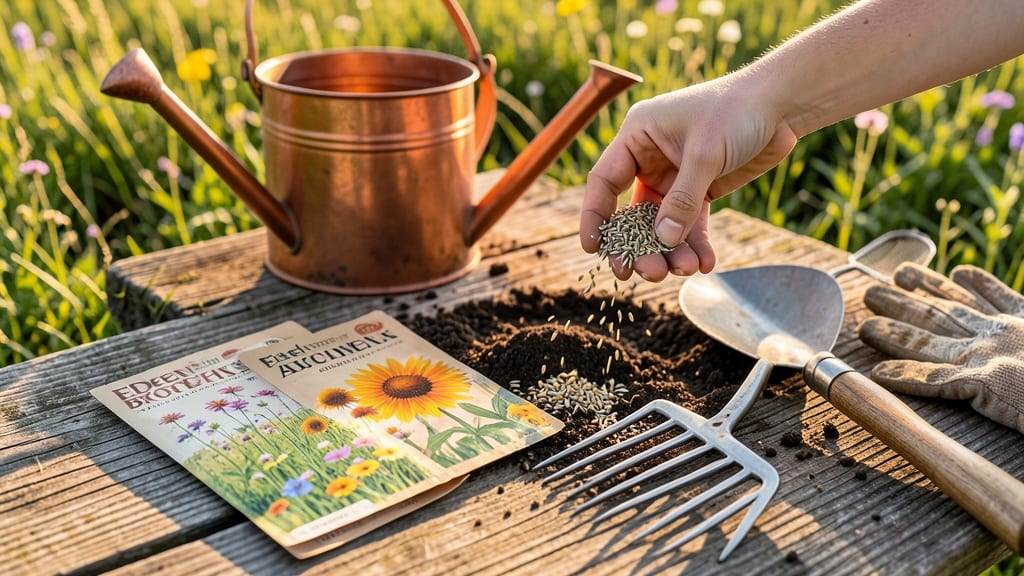
Eden Brothers Wildflower Seed Mix transforms bare patches into buzzing pollinator havens in just two months. 🌸 I’ve watched my own patch go from brown dirt to a riot of color—bees, butterflies, and hummingbirds all show up by June.
This isn’t just another seed mix; it’s a deliberate ecosystem packed with native flowers that attract wildlife while thriving with minimal fuss. The secret starts with loose, well-drained soil—no need for fancy amendments, just till the top 4 inches and rake smooth.
Scatter seeds lightly in late spring after frost, then press them into the soil (no burying!). Most varieties bloom in 60 days, but some perennials come back year after year, rewarding patience with longer seasons of color and lower maintenance.
You’ll end up with a meadow that feels alive—not manicured, but teeming with movement. The flowers range from tiny blue lupines to bold black-eyed Susans, creating layers that change with the seasons. Perfect for borders, rain gardens, or even small containers on patios.
Works in full sun to partial shade and handles drought once established. The key? Water lightly but consistently for the first 30 days—no soaking, just enough to keep seeds moist. Skip the weeds early, and you’ll have a pollinator magnet that outshines store-bought annuals.
📚 In This Guide
- What you need
- Instructions
- Tips and common mistakes
- Wrapping up and next steps
What you need
- ● Eden Brothers Wildflower Seed Mix – 1 lb (or larger) for small plots, 5–10 lbs for medium gardens, 20+ lbs for large areas
- ● Prepped soil – Loose, well-draining, and free of weeds (till or rake to a depth of 4–6 inches)
- ● Water source – Hose or watering can with gentle spray (consistent moisture is key!)
- ○ Garden gloves – Optional but recommended for comfort 🧤
- ● Broadcast spreader – For even coverage (ideal for large areas)
- ● Handheld seed spreader or small shovel – Great for precision planting
- ● Rake (fine-toothed) – Lightly scratch soil to ~¼ inch depth for seed-to-soil contact
- ○ Mulch or straw (optional) – Helps retain moisture and deter weeds (apply lightly after planting)
- ● Choose a sunny spot (6+ hours of sunlight daily) – Wildflowers thrive in full sun! ☀️
- ● Test soil pH (ideal range: 6.0–7.5; adjust with lime or sulfur if needed)
- ● Check local frost dates – Plant after the last frost for best germination (spring or early summer).
Step-by-step instructions for planting Eden Brothers wildflower mix
Transform your space into a buzzing pollinator haven with this easy, foolproof method.
🌱 Step 1: Prepare Your Planting Site
Choose a sunny location with 6-8 hours of direct sunlight daily—wildflowers thrive where they get plenty of warmth. Clear any existing vegetation, then loosen the top 4-6 inches of soil with a rake or hoe to break up compaction. This ensures roots can establish easily.
For best results, test your soil's pH—wildflowers prefer slightly acidic to neutral soil (pH 6.0-7.0). If your soil is heavy clay or very sandy, mix in 2-3 inches of compost to improve drainage and fertility. The goal is loose, crumbly soil that holds moisture without becoming waterlogged.
💧 Step 2: Scatter Seeds Evenly
Open the Eden Brothers wildflower seed mix and shake it gently over your prepared area. For a 100-square-foot plot, you'll need about 1 pound of seed mix—this yields a lush, natural-looking meadow. Scatter seeds by hand, letting them fall naturally rather than pressing them into the soil.
Lightly rake the area to ensure seeds make contact with the soil without burying them too deeply. Most wildflower seeds need only ¼ inch of soil coverage to germinate properly. Avoid walking on the area once seeds are down—this can bury them too deeply or disturb their placement.
☀️ Step 3: Water Gently and Maintain Moisture
Water the area immediately after planting to settle the seeds into the soil. Use a fine mist or gentle stream to avoid dislodging seeds. Keep the soil consistently moist (but not soggy) for the first 2-3 weeks7-14 days, depending on your climate.
Once seedlings emerge, reduce watering to 1-2 times per week, allowing the top inch of soil to dry between waterings. Overwatering at this stage can cause seedlings to rot or fall over. Mulch lightly with straw to retain moisture and suppress weeds, but avoid piling mulch directly against seedlings.
✂️ Step 4: Allow Blooms to Thrive Without Over-Management
Wildflowers grow best with minimal intervention. Once established, they'll self-seed and spread naturally, creating a vibrant, low-maintenance meadow. Avoid fertilizing—wildflowers prefer lean soil and will compete poorly with weeds if given too many nutrients.
Deadhead spent blooms only if you want to encourage a second flush of flowers later in the season. Otherwise, leave the seed heads for pollinators and to support the plant's natural lifecycle. By 60 days, you'll have a thriving pollinator paradise with butterflies, bees, and hummingbirds visiting daily.
🌿 Step 5: Enjoy and Encourage Growth Year After Year
After the first year, your wildflower meadow will establish a deep root system and become increasingly self-sustaining. In subsequent years, you may need to thin out overcrowded areas or reseed sparse spots. Wildflowers often return year after year, especially if left undisturbed.
Consider adding a few native grasses or clover to your mix for added texture and to support local ecosystems. The more diverse your planting, the more pollinators it will attract. With minimal effort, you'll have a beautiful, functional landscape that thrives on its own.
Tips & tricks for planting Eden Brothers wildflower mix
A few thoughtful adjustments can transform your wildflower garden from good to extraordinary. Here's what I've learned from years of planting these pollinator magnets.
Sunlight Strategy: The 6-8 hours of daily sunlight requirement is non-negotiable, but I've found that morning sun with afternoon shade works best in hot climates. If your location gets intense afternoon sun, consider planting near a structure that provides natural shade during peak heat hours. This prevents seedling stress while still giving them the light they need to thrive.
Soil Preparation Secret: When mixing compost into heavy clay or sandy soil, I recommend creating "compost pockets" rather than spreading it evenly. Dig small holes (about 6 inches deep) every 12 inches and fill them with compost. This creates micro-environments where roots can establish more easily. The instructions call for 2-3 inches of compost, but this targeted approach often gives better results with less material.
Watering Wisdom: The critical 2-3 week moisture window is where most people go wrong. I've found that using a soaker hose set on a timer for 10 minutes twice daily is far more effective than hand-watering. This maintains consistent moisture without the risk of overwatering. Once seedlings appear, switch to the 1-2 times per week schedule, but always water in the morning to prevent fungal growth.
Seed Distribution Technique: For larger areas, I recommend using a seed spreader rather than hand-scattering. This ensures even distribution of the 1 pound of seed mix across your 100-square-foot plot. If you don't have a spreader, try the "walking shuffle" method: walk in a grid pattern while gently shaking seeds from your hand. This prevents clumping and creates a natural, meadow-like appearance.
Pro Tips for Eden Brothers Wildflower Seed Mix
- A few thoughtful adjustments can transform your wildflower garden from good to extraordinary.
- Sunlight Strategy: The 6-8 hours of daily sunlight requirement is non-negotiable, but I've found that morning sun with afternoon shade works best in hot climates.
- Soil Preparation Secret: When mixing compost into heavy clay or sandy soil, I recommend creating "compost pockets" rather than spreading it evenly.
Frequently asked questions
When is the best time to plant the Eden Brothers Wildflower Seed Mix?
The ideal window is late spring to early summer (after the last frost) or early fall (6-8 weeks before the first frost). This gives seeds time to germinate before harsh weather. For Southern climates, fall planting works too—just avoid extreme heat or drought periods!
How much water does the mix need after planting?
Keep soil consistently moist (not soggy!) for the first 2-3 weeks—light watering daily or every other day is key. Once sprouts appear, reduce to 1-2 times per week. Drip irrigation or a gentle spray nozzle helps prevent seed erosion. Pro tip: Water in the early morning to cut down on evaporation!
Will this mix attract bees, butterflies, and hummingbirds—or just “pretty” flowers?
This blend is a pollinator magnet, featuring native species like black-eyed Susan, coneflower, and milkweed—all favorites of bees, butterflies, and hummingbirds. Within 60 days, you’ll see your garden buzzing with activity (and maybe even monarch butterflies!).
Can I plant this mix in partial shade, or does it need full sun?
The mix thrives in full sun (6+ hours daily), but it can tolerate partial shade (4-6 hours). For shadier spots, opt for a shade-tolerant wildflower blend or supplement with ground covers. If your area gets less than 4 hours of sun, consider a different mix—like ferns or hostas—to avoid sparse blooms.
What if my seeds don’t germinate? Troubleshooting tips?
First, check for consistent moisture and warm soil (60-70°F). If seeds aren’t sprouting in 2-3 weeks, try:
If all else fails, contact Eden Brothers—they often replace slow-starting mixes! Yes! For arid regions, consider Eden Brothers’ Native Wildflower Mixes (e.g., Southwest or California blends) or add drought-tolerant perennials like yarrow, lavender, or Russian sage. These thrive with minimal water once established and still support pollinators. Pro tip: Mulch with gravel or straw to retain moisture!
Are there drought-resistant alternatives if I live in a very dry climate?
Wrapping up and next steps
Transforming your yard into a buzzing pollinator paradise with Eden Brothers Wildflower Seed Mix is easier—and more rewarding—than you think! 🌸 With just a little patience and care, you’ll soon enjoy a vibrant, low-maintenance garden teeming with life, all in just 60 days.
Whether you’re a seasoned gardener or a beginner, this mix offers a simple, eco-friendly way to support bees, butterflies, and birds while adding beauty to your space.
Ready to take the next step? Grab your seeds, pick a sunny spot, and let nature do the rest! Start small—even a 10x10-foot patch makes a difference—and watch your garden bloom into a thriving ecosystem. Shop the mix today and get growing!