
Lawn
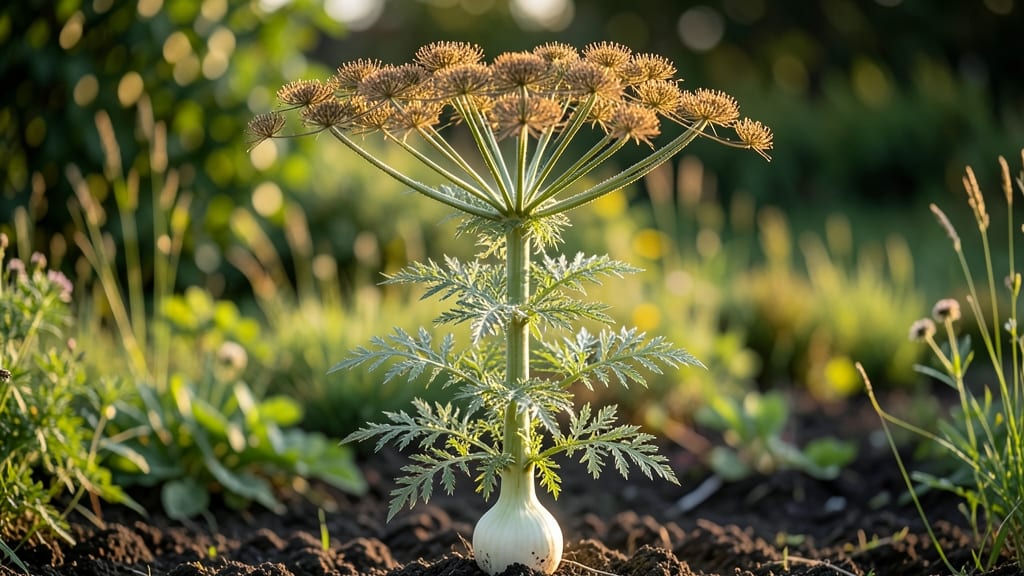
Those delicate fennel seed heads transform from ornamental lace to culinary treasure with just a little patience. 🌿 I used to toss them after harvest—until I discovered how to dry and preserve them for homemade Italian sausage seasoning, homemade bread, and even homemade fennel pollen tea.
The process is simpler than you think, and the payoff is seeds that taste fresher than anything you can buy.
Fennel thrives in full sun and well-drained soil, but the real magic happens when you let the seed heads mature fully—usually 8-10 weeks after flowering. The stems turn woody, and the tiny seeds inside darken from green to golden-brown.
A gentle shake should release seeds easily; if not, they’re not ready yet. The key is timing—harvest too early, and the seeds won’t be potent enough for cooking.
Once dried, these seeds keep for up to a year in a cool, dark place. Toast them lightly in a dry pan for 2-3 minutes to enhance their anise-like flavor, then store in an airtight jar.
You’ll use them in everything from fish dishes to homemade liqueurs, and your garden will look stunning with the feathery seed heads left on the plants for ornamental appeal.
This method works for both culinary and ornamental fennel varieties, so you get double the benefit—edible seeds and beautiful garden decor. No fancy equipment needed, just a little attention to detail. Here’s how to make the most of your fennel harvest this season.
📚 In This Guide
- What you need
- Instructions
- Tips and common mistakes
- Wrapping up and next steps
What you need
- ● Fresh fennel seed heads: Harvest 10–15 mature, brownish-green fennel seed heads (about 3–4 inches long) when they’ve fully dried on the plant but before seeds scatter.
- ● Pruning shears or sharp scissors: For cleanly cutting stems (sterilize blades with rubbing alcohol if reusing).
- ● Brown paper bags or breathable fabric sacks: 1–2 medium-sized bags (12x15 inches) for air-drying. Avoid plastic!
- ● Twine or rubber bands: To secure seed heads in bundles or bags.
- ○ Drying rack or mesh screen: Optional but helpful for elevated airflow (e.g., a wire cooling rack or embroidery hoop).
- ● Small bowls or jars: For collecting fallen seeds (2–3 quart-sized containers).
- ● Fine-mesh sieve or colander: To sift seeds from chaff (a kitchen strainer works!).
- ● Air-tight containers: Glass jars with tight-sealing lids (4–8 oz size) for storage.
- ● Food dehydrator: Speeds up drying (set to 95°F/35°C for 4–6 hours).
- ● Desiccant packets: Place 1–2 in storage jars to absorb moisture.
- ● Labeling supplies: Masking tape + marker to label jars with the harvest date.
- ● Cheesecloth or breathable cloth: For covering seed heads during drying to prevent pest access.
Step-by-step guide to harvesting and drying fennel seed heads
Here’s how to transform your fennel plants into fragrant, long-lasting seeds for cooking.
🌿 Step 1: Identify and Harvest Ripe Seed Heads
Wait until the fennel seed heads turn a rich golden-brown color—this usually happens 8-10 weeks after flowering. The tiny seeds inside should rattle when you shake the head gently. Use clean, sharp scissors to cut the entire seed head from the stem, leaving about 1 inch of stem attached for easier handling.
Harvest on a dry, sunny morning when dew has evaporated. This prevents moisture from lingering on the seeds, which can cause mold during drying. If you miss the window and rain is forecasted, harvest anyway—just dry the heads indoors with a fan running nearby to speed up the process.
🪴 Step 2: Prepare the Seed Heads for Drying
Remove any remaining leaves or stems attached to the seed head, but leave the 1-inch stem base intact. This helps the head stay upright during drying. Place the heads in a single layer on a wire rack or a clean, dry baking sheet lined with parchment paper. Ensure they’re spaced at least 2 inches apart so air can circulate freely around each one.
Find a warm, dry spot with good airflow, like a sunny windowsill or a well-ventilated pantry. Avoid direct sunlight, which can overheat the seeds and reduce their quality. A dehydrator set to 125°F works perfectly if you have one—just place the heads on the trays and let them dry for 4-6 hours.
☀️ Step 3: Dry the Seed Heads Thoroughly
Check the seed heads daily. They’re fully dried when the seeds inside feel light and brittle when shaken, and the stem base snaps easily. This usually takes 7-10 days in a warm, dry environment or 4-6 hours in a dehydrator. If you’re drying them in a humid climate, consider using a small fan to keep air moving and speed up the process.
Once completely dry, gently rub the seed head between your hands or use a clean cloth to separate the seeds from the dried stems. Store the seeds in an airtight container, like a glass jar, and keep them in a cool, dark place to preserve their flavor and potency for up to 1 year.
✂️ Step 4: Store and Use Your Fennel Seeds
Label your jar with the date and variety of fennel to track freshness. Fennel seeds retain their flavor best when stored properly. For culinary use, crush the seeds lightly before adding them to dishes—they release their aroma when broken open. Sprinkle them into soups, stews, breads, or even homemade sausage blends for a warm, anise-like flavor.
If you notice any musty smells or signs of moisture in the jar, transfer the seeds to a new container immediately. Properly dried and stored seeds should stay dry and fragrant for months, giving you a pantry staple for year-round cooking.
Tips & tricks for perfect fennel seed drying
Transforming those delicate fennel seed heads into fragrant, long-lasting seeds takes patience—but these little tricks will help you avoid common pitfalls and maximize your harvest.
Harvest Timing is Everything: The 8-10 week window after flowering is critical for flavor and viability. I've learned the hard way that harvesting too early means underdeveloped seeds, while waiting too long risks them scattering before you can collect them. If you're unsure, do the "rattle test"—shake a seed head gently over a dark surface (like a sheet of paper). If seeds are falling freely, it's time to harvest. This simple check saves hours of waiting!
Airflow Accelerates Drying: Proper airflow is the secret weapon for consistent drying. While the instructions mention spacing heads 2 inches apart, I recommend adding a small fan if your drying area feels stagnant. A gentle breeze at low speed (about 500-600 CFM) can cut drying time by nearly half in humid conditions. Just keep it at least 12 inches away to avoid disturbing the delicate seed heads. The goal is circulation, not force!
Dehydrator Shortcut: Using a dehydrator at 125°F for 4-6 hours is the fastest method, but here's what nobody tells you: Preheat your dehydrator for 10 minutes before placing the seed heads on trays. This ensures even temperature distribution right from the start. Also, prop the seed heads upright using toothpicks if they're top-heavy—they'll dry more evenly and stay intact during the process.
Storage Secret: While the instructions mention storing seeds in a cool, dark place for up to 1 year, I've found that adding a small packet of silica gel to the storage jar extends freshness by 3-4 months. The silica absorbs any residual moisture that could cause the seeds to lose their anise-like aroma. Just use food-grade silica and keep it in a small mesh bag inside the jar for easy removal when using the seeds.
Pro Tips for Fennel Seed Heads
- Transforming those delicate fennel seed heads into fragrant, long-lasting seeds takes patience—but these little tricks will help you avoid common pitfalls and maximize your harvest.
- Harvest Timing is Everything: The 8-10 week window after flowering is critical for flavor and viability.
- Airflow Accelerates Drying: Proper airflow is the secret weapon for consistent drying.
Frequently asked questions
Got questions about harvesting, drying, or using fennel seed heads? You're not alone! Here are answers to the most common queries to help you make the most of your fennel harvest.
How do I know when fennel seed heads are ready to harvest?
Fennel seed heads are ready when they turn a pale yellow or light brown and feel dry to the touch. Gently rub a seed head between your fingers—if seeds easily release, it’s harvest time! Avoid waiting too long, as overripe seeds may scatter or lose flavor. Pro tip: Harvest on a dry, sunny morning for the best results.
How long does it take to dry fennel seed heads?
Drying time depends on your climate, but it typically takes 1–3 weeks in a well-ventilated, dry space (like a mesh bag or paper bag). For faster drying, use a food dehydrator at 95°F (35°C) for 4–6 hours. Store seeds in an airtight container once fully dry (they should rattle when shaken).
Can I use dried fennel seeds straight from the head, or do I need to remove them?
You can use whole seed heads for infusing oils or teas, but for cooking, it’s best to remove seeds by rubbing the dried head over a bowl or cutting it open. Store seeds in a cool, dark place for up to 6 months to preserve flavor. Fun fact: Toasting seeds lightly in a dry pan enhances their aroma!
What should I do if my fennel seed heads mold or develop pests?
If seed heads mold, discard them immediately—mold can ruin your harvest. To prevent pests, store heads in a breathable bag (like a paper bag with holes) and avoid damp areas. For mild pest issues, freeze heads for 24 hours to kill insects before drying. Prevention tip: Harvest early in the season to minimize risks.
Are there alternatives if I can’t grow fennel?
Yes! If fresh fennel isn’t an option, try anise seeds (similar flavor) or caraway seeds (earthier taste). For a fennel-like aroma in dishes, add a pinch of tarragon or dill as substitutes. Check your spice rack—many store-bought fennel seeds work too!
Wrapping up and next steps
Preserving fennel seed heads is a rewarding way to extend their flavor and versatility in your kitchen—whether you're crafting homemade liqueurs, spicing up dishes, or simply enjoying their aromatic charm.
With just a few simple steps, you can transform fresh fennel into a pantry staple that brightens meals all year long. Now’s the perfect time to experiment! Try drying a batch of seed heads this season and discover how they elevate your favorite recipes—you’ve got this! 🌿✨
Next step: Gather your fennel, tools, and a sunny spot, and get drying! Share your creations or preservation tips with fellow gardeners—every harvest is a chance to learn and inspire.