
Lawn
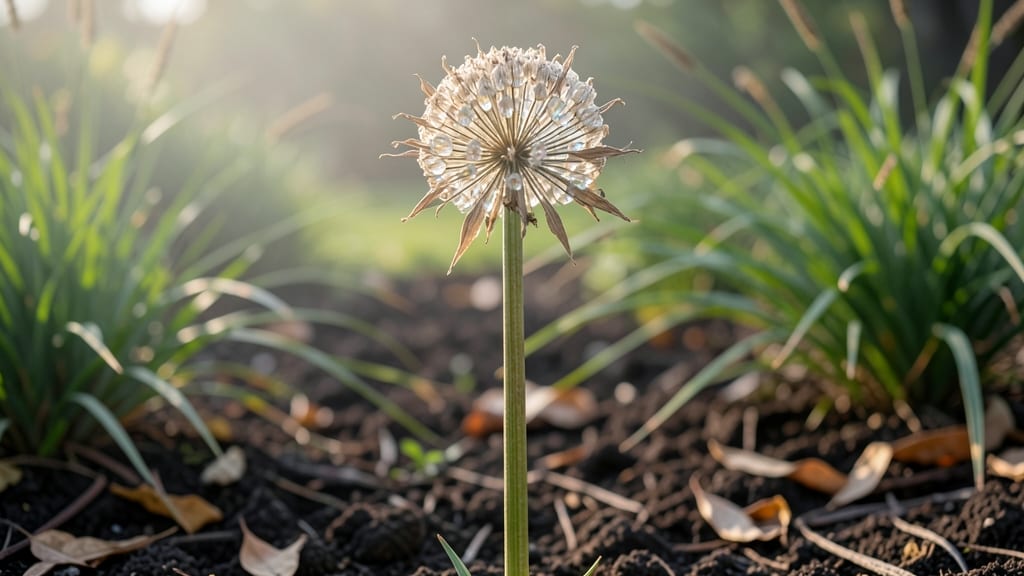
Those papery allium seed heads are nature’s best-kept secret for winter gardens. 🌿 I used to toss them after blooms faded—until I discovered how they transform dried arrangements, winter landscapes, and even bouquets into striking focal points that last all season.
Their airy globes catch light like tiny lanterns, adding unexpected texture when most gardens go dormant.
The beauty is in how simple it is: just snip stems when seed pods turn crispy-brown (usually late summer to early fall), bundle them upside-down in a dark, dry spot for 2-3 weeks, and watch them retain their shape perfectly.
No fancy equipment needed—just a pair of scissors and a little patience. These dried stems pair beautifully with dried grasses, eucalyptus, or even holly for holiday arrangements that smell like nothing but fresh air.
You’ll end up with stems that hold their form for months, adding height and drama to winter containers or wreaths. The pollinators loved them while fresh, and now they bring that same quiet elegance to your design projects.
Think of them as free, long-lasting accents that outshine store-bought dried flowers any day.
Works in any garden style—cottage, modern, or wild—whether you’re crafting bouquets, decorating porches, or adding winter interest to beds. Here’s how to make the most of them without a single technical step you’ll regret.
📚 In This Guide
- What you need
- Instructions
- Tips and common mistakes
- Wrapping up and next steps
What you need
- ● Fresh allium seed heads: Harvest mature, dried seed heads (e.g., Allium sphaerocephalon or Allium giganteum). Aim for 10–20 stems per project, depending on size.
- ● Pruning shears or sharp scissors: For clean cuts—sterilize blades with rubbing alcohol.
- ● Newspaper, cardboard, or paper towels: Line a tray or box for drying (size: 12"x18" minimum).
- ● Rubber bands or twine: To bundle stems for drying (e.g., 3–4 stems per bundle).
- ● Drying location: A cool, dark, well-ventilated spot (e.g., basement, garage, or covered porch). Avoid direct sunlight or heat.
- ● Floral wire or fishing line: For securing seed heads in arrangements (20–30 gauge for delicate work).
- ● Scissors or wire cutters: For trimming stems or wire.
- ● Hot glue gun or floral tape: To attach seed heads to wreaths, garlands, or frames.
- ● Spray bottle with water: To lightly mist dried seed heads before arranging (helps them hold shape temporarily).
- ● Dried flowers or greenery: For pairing with alliums (e.g., statice, eucalyptus, or pampas grass).
- ● Patience! Drying takes 2–4 weeks—avoid rushing.
- ● Check for pests: Inspect seed heads for bugs before drying.
- ● Weather timing: Harvest when seed heads are fully brown and papery (usually late summer/early fall).
How to harvest and preserve allium seed heads for winter interest
Here's how I transform late-season allium blooms into striking dried stems that bring texture and pollinator support all winter long.
🌱 Step 1: Select and Harvest Mature Seed Heads
Wait until the flower heads turn completely brown and the seed pods begin cracking open—this usually happens 4-6 weeks after blooming. I look for heads where the outer petals have dried to a papery consistency and the stems feel stiff rather than flexible.
Use clean, sharp pruners to cut 2-3 inches below the flower head, leaving the stem intact. Harvest on a dry morning after dew has evaporated to prevent moisture from entering the stems. This ensures cleaner drying and reduces the risk of mold.
☀️ Step 2: Dry the Stems Properly
Gather 4-6 stems per bundle and tie them together with twine at the base, leaving 1-2 inches of stem free at the top. Hang bundles upside down in a well-ventilated, dry location with indirect sunlight—a garage, shed, or covered porch works perfectly. Direct sunlight can cause the stems to bleach or become brittle.
Check weekly for 2-3 weeks until the stems feel completely dry and crisp to the touch. You'll know they're ready when the seed pods rattle slightly when shaken. If you notice any moisture or softness, return them to drying for another week.
✂️ Step 3: Trim and Store for Year-Round Use
Once fully dry, trim the stems to your desired length—12-18 inches works well for most arrangements. Remove any remaining dried petals or debris with a gentle brush or by hand. I like to store them in brown paper bags or cardboard boxes in a cool, dry place to prevent moisture buildup.
For long-term preservation, consider placing silica gel packets in the storage container to absorb any lingering moisture. These dried stems will maintain their structure and beauty for 12+ months, making them perfect for winter bouquets, dried arrangements, or even as natural decor accents.
🌿 Step 4: Use in Arrangements and Support Pollinators
Add the dried allium heads to winter arrangements alongside other dried flowers like eucalyptus, statice, or dried grasses for a striking, textured look. Their unique spherical shape adds visual interest without overwhelming the composition. I often mix them with evergreen branches for a natural, rustic feel.
Leave some seed heads on the stems in the garden as well—they provide winter food and shelter for pollinators like bees and butterflies. The dried blooms also offer seed sources for birds, making your garden a year-round wildlife haven.
Tips & tricks for perfect allium seed head preservation
Transforming allium blooms into lasting winter decor doesn't have to be tricky—just follow these simple tricks to ensure your stems stay beautiful and sturdy.
Harvesting Timing: The 4-6 week window after blooming is critical because that's when the seed pods naturally crack open. I've learned the hard way that harvesting too early means stems won't dry properly, while waiting too long risks seed loss. Look for that papery texture on the outer petals—it's your perfect cue.
Bundle Size Matters: When gathering 4-6 stems per bundle, keep them uniform in thickness. Thinner stems dry faster and may become brittle, while thicker stems take longer. I like to mix a few thicker stems with thinner ones in each bundle to create visual interest while maintaining even drying.
Drying Location Secrets: While garages and sheds work well, I've found that basements with good airflow can be even better—just make sure there's no residual moisture from laundry or other activities. Avoid attics where temperature fluctuations can occur, as this can cause uneven drying and potential mold.
Storage Upgrade: For long-term preservation beyond the 12+ months, I add a small packet of uncooked rice to my storage containers along with the silica gel. The rice absorbs moisture differently than gel packets and helps maintain consistent dryness throughout the container.
Pro Tips for Allium Seed Heads
- Transforming allium blooms into lasting winter decor doesn't have to be tricky—just follow these simple tricks to ensure your stems stay beautiful and sturdy.
- Harvesting Timing: The 4-6 week window after blooming is critical because that's when the seed pods naturally crack open.
- Bundle Size Matters: When gathering 4-6 stems per bundle, keep them uniform in thickness.
Frequently asked questions
Got questions about harvesting, storing, or styling allium seed heads? You’re not alone! Here are answers to the most common queries to help you make the most of these striking dried florals.
When is the best time to harvest allium seed heads?
Harvest allium seed heads once they’ve fully dried on the plant—usually 4–6 weeks after flowering, when the papery blooms turn brown and crispy. Trim stems with sharp shears, leaving 2–3 inches of stem for stability. Avoid harvesting in damp weather to prevent mold.
How long do allium seed heads last once dried?
Properly dried allium seed heads can last 1–2 years if stored in a cool, dry place (like a breathable basket or paper bag). Keep them away from direct sunlight or humidity to prevent brittleness. For longer shelf life, avoid plastic containers—they trap moisture!
Can I use allium seed heads in floral arrangements?
Their unique spherical shapes and neutral tones pair beautifully with dahlias, roses, or eucalyptus. For dried arrangements, bundle stems with twine and place them in a vase—they’ll hold their form for months. Pro tip: Mix textures by adding grasses or berries for contrast.
Do allium seed heads attract pollinators even after drying?
While dried allium seed heads won’t feed bees or butterflies, leaving them in the garden over winter still supports pollinators by providing shelter. Cut them back in early spring to encourage fresh blooms. For active pollinator appeal, plant fresh alliums annually alongside native flowers.
What if my allium seed heads get moldy or buggy?
Mold or pests (like aphids) can strike if stems aren’t fully dry. Prevent issues by harvesting on a sunny day and storing in a well-ventilated spot. If mold appears, toss the batch—it won’t dry properly. For pest control, rinse stems with water before drying or use a light spray of neem oil on living plants.
Still stumped? Drop your question in the comments—we’re happy to help you turn those seed heads into year-round garden stars!
Wrapping up and next steps
From adding year-round texture to your garden to supporting local pollinators, allium seed heads are a simple yet powerful way to elevate your outdoor space. Their low-maintenance charm and striking visuals make them a must-have for any lawn or landscape.
Ready to transform your garden? Start by harvesting a few seed heads today—your yard (and the bees!) will thank you. 🌿✨
Next, explore creative ways to display them or dive into other pollinator-friendly plants to keep your garden buzzing all season!