
Lawn
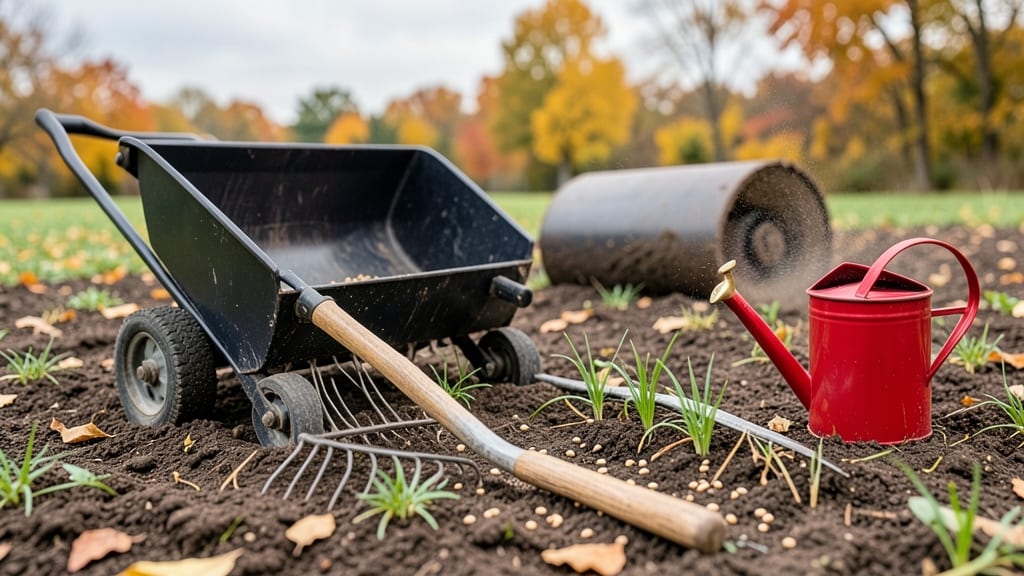
You can lay grass seed in the fall 🌱 for a stronger lawn next spring—it’s one of the best-kept secrets for deep roots and fewer weeds.
Picture this: cooler temperatures, softer soil, and fewer pests competing with your new grass. That’s why fall is the ideal time to plant, but timing matters—too late and frost can damage tender shoots. The key is getting it right for your region, whether you’re in the North or South.
Fall seeding gives grass a head start on root growth before winter dormancy, which means a lush, uniform lawn by spring. You’ll also skip the summer heat stress that can kill new seedlings if planted too early.
In this guide, I’ll walk you through the best months for your zone, soil prep tricks, and how to protect your new grass from frost—so you can enjoy a thick, healthy lawn without the spring rush.
Why fall grass seeding works: ideal conditions for root establishment before frost
Fall is the perfect window for grass seeding because nature provides ideal growing conditions that spring planting simply can't match. When temperatures hover between 60-75°F, grass seeds germinate quickly while avoiding the intense summer heat and dormant winter months.
During fall, soil remains warm from summer's heat while air temperatures drop, creating the sweet spot for seedling growth. This reduces stress on young grass, allowing roots to establish deeply before frost arrives.
The cooler fall weather also means less weed competition—most weeds struggle to germinate when nights grow chilly. This gives your new grass seedlings a clear advantage to take hold without battling invasive plants.
Here’s why fall seeding outperforms spring planting in key ways:
The 4-6 weeks before first frost is the golden window for fall seeding. By this time, grass roots have had enough time to anchor deeply while still avoiding the freezing temperatures that can damage tender seedlings.
In USDA Zone 6a, this typically means late August to October, but regional variations exist. For example, Southern states can seed as late as November, while Northern regions should finish by early October.
Another key advantage is reduced evaporation in fall. With cooler air and higher humidity, your watering efforts go further, keeping the seedbed consistently moist—a critical factor for germination success.
Fall-seeded grass also outperforms spring plantings because it enters dormancy stronger, ready to bounce back quickly in spring. Studies show fall-sown lawns can achieve up to 70% better coverage than spring-sown ones by the second growing season.
To maximize success, test your soil pH (ideal: 6.0-7.0) and loosen compacted areas before seeding. A light layer of compost provides nutrients without competition from weeds.
With the right timing and care, fall grass seeding isn’t just possible—it’s the smartest choice for a lush, low-maintenance lawn next year. 🌱
Best fall months to plant grass seed by US region (with frost risk guidelines)
Timing is everything when it comes to fall grass seeding. The key is planting 4-6 weeks before your first frost to allow roots to establish before winter dormancy. But the exact window depends on your USDA hardiness zone and regional climate patterns.
Northern states (Zones 3-6) should aim for September to early October, while Southern states (Zones 7-10) can extend seeding into late October or November. Transition zones (like the Midwest) may need to adjust based on local frost dates and rainfall patterns.
Comparison Table below breaks down the ideal planting windows by region, including frost risk guidelines and actionable timelines for each zone.
For Northern regions, focus on September planting to maximize root growth before the first frost. In Zones 3-5, aim to finish seeding by mid-October to avoid winter kill. Use a light mulch layer (like straw) to protect seeds from late-season frosts.
In Transition Zones (6-7), you have a slightly longer window—late September to mid-October. This gives grass 6-8 weeks to establish before winter. Monitor local frost forecasts and adjust your timeline accordingly. If frost arrives early, consider using winter rye cover to protect young seedlings.
Southern gardeners in Zones 8-10 can plant as late as December, but November is ideal for most areas. Cooler temperatures reduce weed competition and water stress, creating perfect conditions for germination. Just ensure your soil stays consistently moist during the first 3 weeks after planting.
Regardless of your region, always test your soil pH (ideal range: 6.0-7.0) and amend with compost before seeding. This ensures your grass has the nutrients it needs to establish strong roots before winter dormancy.