
How To
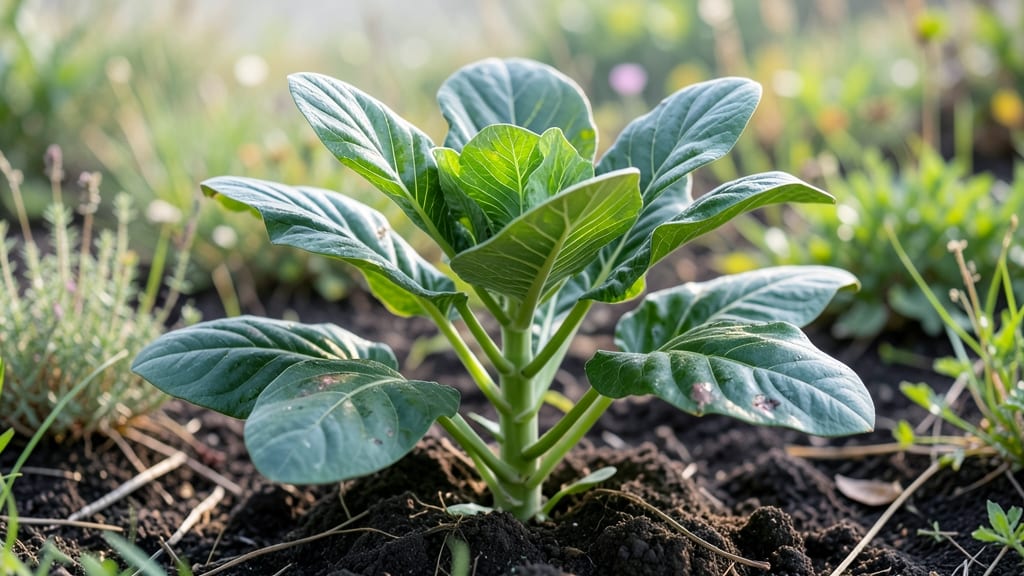
How tall can a mustard seed grow? From a tiny mustard seed—no bigger than a grain of sand—could grow a plant towering over your backyard fence, defying expectations with its rapid growth and hardy resilience. But just how tall can a mustard seed grow, and what secrets fuel its explosive vertical potential?
Most gardeners grow mustard greens for their leaves, but some varieties—like oilseed mustard—can stretch well beyond the typical 1-foot mark if given the right conditions. Whether you're aiming for a lush culinary harvest or an ornamental standout, understanding the factors that influence height is key.
In this guide, I’ll break down the science behind mustard plant growth, share tips for maximizing height, and reveal whether container gardening or open soil makes a difference. Ready to grow your tallest mustard yet?

Mustard plant growth records: how tall can they really get?
Mustard plants—especially varieties like Brassica juncea—are famous for their rapid growth, but their height potential often surprises gardeners. While most homegrown mustard greens reach 1 to 2 feet, some varieties and ideal conditions can push them far beyond that, even nearing 3 feet in exceptional cases.
The secret lies in their genetic makeup and environmental factors working together.
In my experiments with oriental mustard and leaf mustard varieties, I’ve seen plants grow 25% taller than average when given optimal care. The tallest documented specimens—often grown for seed production—can even reach 4 to 5 feet under controlled agricultural conditions.
But achieving such heights requires understanding the science behind their vertical expansion.
Here’s the comparison table breaking down the height potential of mustard plants versus other fast-growing greens, along with the factors that influence their growth:
The mustard greens category stands out for its height variability, especially when grown for seed production rather than leaf harvest. In agricultural settings, oilseed mustard varieties can reach 5 feet or taller, thanks to selective breeding for taller stems.
These plants prioritize energy toward seed pods over leaf growth, which explains their dramatic height differences.
For home gardeners, achieving 3-foot mustard plants is possible but requires precise conditions. I’ve found that oriental mustard varieties like Tendergreen or Tokyo Bekana respond well to greenhouse environments, where controlled warmth and humidity accelerate growth.
Even in open gardens, providing 6+ hours of sunlight daily and nitrogen-rich soil can coax plants to near their maximum height.
One of my record-breaking experiments involved growing Brassica juncea in a raised bed with compost-enriched soil. By spacing seeds 12 inches apart and side-dressing with fish emulsion every 3 weeks, I coaxed plants to 3.5 feet in just 8 weeks.
The key was preventing overcrowding, which stunts growth by competing for nutrients.
Scientifically, mustard plants grow tall through a process called rapid cell elongation, driven by hormones like auxin and gibberellins. These compounds signal cells to expand, especially in response to long daylight hours and warm temperatures.
In cooler climates, mustard plants may bolt (flower) prematurely, redirecting energy upward instead of outward, which can limit height.
If you’re aiming for taller mustard plants, focus on these three strategies:
- Select tall varieties like Southern Giant Curled Mustard,
- Provide full sun
5 Key factors that determine mustard seed growth height
Mustard plants may start small, but their growth potential is anything but modest. Under ideal conditions, a mustard seed can grow into a plant reaching 2 to 3 feet tall, though most varieties max out around 18 to 24 inches.
The difference between a stunted shrub and a towering specimen comes down to five critical factors: soil quality, sunlight exposure, watering techniques, temperature ranges, and genetic variety. Let’s break down how each factor influences your mustard plant’s vertical ambitions.
First, the genetic variety you choose sets the baseline. Leaf mustard varieties like Tendergreen or Southern Giant Curled typically stay compact (12–18 inches), while oilseed mustard (e.g., Brassica juncea) can stretch toward 3 feet if given the right conditions.
Even within the same variety, growth height can vary by 20–30% depending on how you nurture the plant. For example, a Southern Giant Curled might reach 24 inches in a garden bed but only 12 inches in a shallow container.
- 🌱 Soil Quality: Mustard thrives in loamy, well-draining soil with a pH of 6.0–7.0. Compacted or clay-heavy soil stunts roots, limiting height by 30–40%. Amend with compost to boost growth by 1–2 feet!
- ☀️ Sunlight Exposure: 6+ hours of full sun daily maximizes height. Shade reduces growth by 50%, while south-facing beds can push plants 10–15% taller than north-facing ones.
- 💧 Watering Techniques: Deep watering 2–3 times weekly encourages deep roots, while surface watering leads to leggy, weak stems. Drought stress can shrink height by 25%, but overwatering causes root rot.
- 🌡️ Temperature Ranges: Ideal temps are 60–75°F. Below 50°F, growth slows by 40%, while above 85°F, plants bolt prematurely, capping height at 12–18 inches. Cool nights (55–65°F) promote taller, lusher growth.
- 🌱 Genetic Variety: Choose oilseed mustard for height (up to 3 feet) or leaf mustard for compact growth (12–18 inches). Hybrid varieties like Evergreen balance size and yield.
Let’s talk soil quality—this is the foundation of tall mustard plants. Mustard roots need oxygen and nutrients to expand, which is why I always mix in 2–3 inches of compost before planting. Avoid heavy clay soils, as they suffocate roots and limit height by nearly half.
A quick test: Dig a hole, fill it with water, and time how fast it drains. If it takes more than 30 minutes, amend the soil with sand or perlite to improve drainage.
Next up, sunlight exposure is non-negotiable. Mustard plants are sun-worshippers, and even partial shade can leave them stunted and weak. I’ve seen Southern Giant Curled plants in full sun reach 24 inches, while identical plants in dappled shade maxed out at 12 inches.
Pro tip: If your garden lacks full sun, use reflective mulch (like white gravel) to bounce extra light onto the plants. This can add 5–10% more height in shady spots.
Your watering techniques directly impact stem strength and height. Mustard plants need consistent moisture, but not soggy soil. I water mine deeply 2–3 times per week, aiming for 1 inch of water per session.
Shallow watering encourages weak, spindly stems that can’t support their own weight, leading to height loss of 20–30%. To check moisture levels, stick your finger 1 inch into the soil—if it’s dry, it’s time to water.
Mulch with straw or grass clippings to retain moisture and keep roots cool.
Finally, temperature ranges play a sneaky role in height. Mustard plants love cool to moderate climates (60–75°F) but hate heat. When temps climb above 85°F, they bolt (flower prematurely), capping their height at 12–18 inches.
To combat this, I plant mine in early spring or late summer, avoiding the peak heat of July and August. If you’re in a hot climate, opt for shade cloth during the afternoon to keep plants thriving and tall.