
Lawn
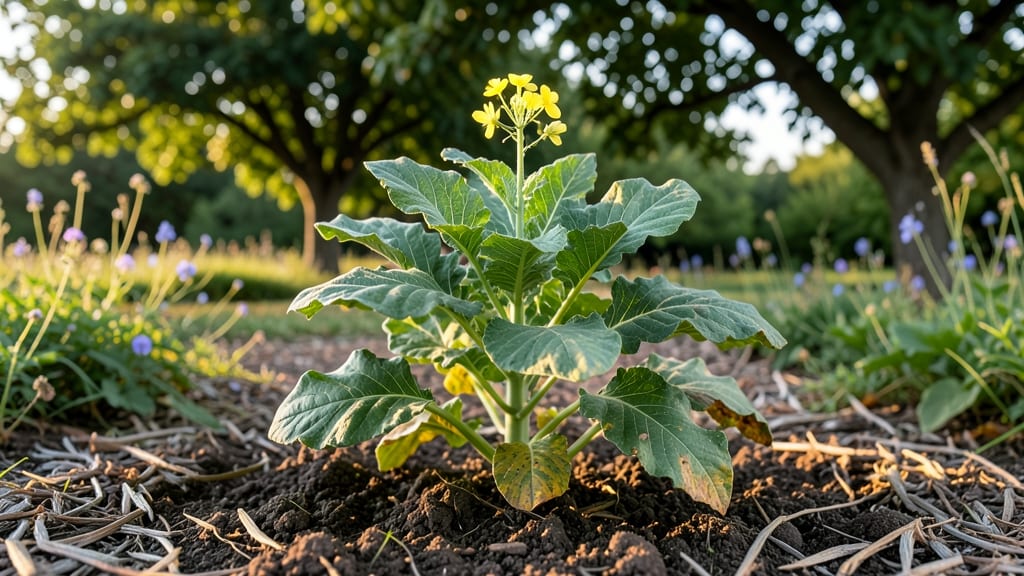
Growing mustard from seed is like watching a tiny green promise explode into bold yellow blooms in just 50 days—and cold-stratification is the secret weapon that makes it happen. 🌱 I’ve grown mustard from seed every spring for years, and the difference between starting with cold-treated seeds and regular ones is night and day: faster germination, stronger seedlings, and blooms that arrive on schedule instead of bolting too early.
The trick starts with soil that’s cool but not frozen—think of it as giving your seeds a winter nap before spring. Plant them about ¼ inch deep in well-draining soil, spaced 12-18 inches apart, and keep them moist but never soggy.
Mustard loves sunlight, so a spot with 6+ hours of direct sun is non-negotiable, or you’ll end up with leggy, weak plants that flop over before they bloom.
By week 3, you’ll see those first true leaves pushing through the soil, and by week 5, you’ll be pinching back the tips to encourage bushier growth. The payoff comes at day 50 when those bright yellow flowers burst open—perfect for pollinators and edible greens if you harvest early.
The key is consistency: water at the base, not the leaves, and watch for pests like flea beetles, which love young mustard seedlings.
This method works whether you’re growing mustard for greens, flowers, or even as a cover crop.
The cold-stratification step might sound fancy, but it’s just a matter of timing—plant your seeds in late winter or early spring, let nature do the rest, and you’ll have blooms ready for cutting or pollinators by early summer. No fancy equipment needed, just patience and a little planning.
📚 In This Guide
- What you need
- Instructions
- Tips and common mistakes
- Wrapping up and next steps
What you need
- ● Mustard seeds (Brassica juncea) – 1 lb (450g), organic or non-GMO preferred (check seed packets for cold-hardy varieties like Southern Curled Mustard or Brown Mustard).
- ● Garden soil or potting mix – 2-3 gallons, well-draining (avoid heavy clay). Add 1 part perlite to 4 parts soil for aeration.
- ● Cold frame or shallow tray – 12" x 18" or larger, with drainage holes (DIY with wood + plastic sheeting or use a nursery flat).
- ● Plastic wrap or humidity dome – To retain moisture during stratification.
- ● Watering can or spray bottle – With a fine mist nozzle for gentle hydration.
- ○ Thermometer (optional but helpful) – To monitor soil temps (aim for 35–45°F during stratification).
- ● Gloves – Gardening gloves to protect hands from soil and seeds.
- ● Trowel or small shovel – For transplanting seedlings later.
- ● Label markers – To track planting dates and varieties.
- ○ Fertilizer (optional) – Balanced 10-10-10 or compost tea (1 tbsp per gallon of water) for post-stratification growth.
- ● Row cover or frost cloth – For protecting seedlings if temps dip below 40°F after germination.
Step-by-step instructions for cold-stratifying mustard seeds
Here's how I turn tiny mustard seeds into vibrant blooms in just 50 days.
🌱 Step 1: Prepare Seeds for Cold Stratification
Mustard seeds need a cold period to break dormancy. Place your seeds in a ziplock bag with a damp paper towel. Seal it and refrigerate for 7-10 days. Check daily—the towel should stay moist but not dripping. If it dries out, add a few drops of water and reseal.
This cold treatment mimics winter conditions, fooling the seeds into thinking spring has arrived. You'll see tiny sprouts within 3-5 days of stratification. Real talk: Don't skip this step—unstratified seeds may take weeks longer or never germinate.
☀️ Step 2: Sow Stratified Seeds in Containers
Fill 4-inch pots with a light, well-draining mix. I use a blend of 50% potting soil and 50% perlite for airiness. Plant seeds ¼ inch deep—too deep and they struggle to reach light. Space them 1 inch apart since mustard grows fast.
Water gently with a spray bottle until the soil looks damp but not soggy. Cover the pots with plastic wrap to retain warmth and humidity. Place them in a warm spot (65-75°F) where they won't get direct light yet. You'll see sprouts in 5-7 days—watch for tiny green hooks pushing through the soil.
💧 Step 3: Provide Light and Water for Seedlings
Once sprouts appear, remove the plastic wrap and move pots to bright indirect light. After 1 week, introduce 4-6 hours of morning sun daily to harden them gradually. Avoid harsh afternoon sun at first—young leaves burn easily.
Water when the top inch of soil feels dry. I use a small watering can with a fine rose to avoid disturbing seedlings. Fertilize lightly with ½-strength liquid fertilizer after 2 weeks when true leaves appear. You'll know it's working when seedlings grow 2 inches tall in 10 days.
✂️ Step 4: Thin and Transplant for Blooms
When seedlings reach 3 inches tall (about 3-4 weeks in), thin to the strongest plant per pot. Snip weaker stems at the base with clean scissors. This reduces competition and gives your winner room to grow.
After thinning, transplant to a larger 6-inch pot or garden bed. Mustard loves cool weather—plant in full sun once nighttime temps stay above 40°F. You'll see buds form in 3 weeks if plants get 6+ hours of sun daily. Here's the thing—mustard blooms fast, so stay vigilant about watering during dry spells.
🌿 Step 5: Maintain for Continuous Blooms
Deadhead spent blooms by pinching off faded flowers with your fingers. This encourages new growth and prolongs the flowering season. Mustard self-seeds easily, so leave a few flowers if you want next year's crop to appear naturally.
Water at the base to keep soil consistently moist but never waterlogged. In 50 days total, you'll have vibrant blooms ready for cutting or pollinators. I know it seems quick, but mustard's fast growth makes it a rewarding project for impatient gardeners!
Tips & tricks for perfect cold-stratified mustard blooms
Here's what nobody tells you about growing mustard from seeds—these tricks will help you avoid common pitfalls and get those vibrant blooms faster.
Cold Stratification Precision: The 7-10 day refrigeration period is non-negotiable for breaking dormancy, but don't let the paper towel dry out completely between checks. I learned this the hard way after ruining three batches—keep it consistently damp like a wrung-out sponge. If you notice mold after 3 days, start fresh with new seeds and a fresh towel. The goal is moisture without creating a bacterial party.
Light Transition Strategy: Mustard seedlings are delicate when first sprouting, so that gradual move from bright indirect light to morning sun is crucial. I recommend using a grow light on a timer for the first week if you don't have a sunny windowsill. The 4-6 hours of morning sun rule works because afternoon sun can scorch those tender leaves before they develop protective cuticles. Think of it as sun protection for your seedlings!
Soil Mix Secret: That 50/50 potting soil to perlite blend isn't just arbitrary—it creates the perfect balance of moisture retention and drainage. If you're using garden soil, mix in extra perlite or vermiculite to prevent compaction. I've found that adding a handful of compost to the mix gives seedlings a gentle nutrient boost without overwhelming them. Just don't use fresh manure, which can burn tender roots.
Thinning Timing: Waiting until seedlings reach 3 inches tall before thinning gives them enough energy to recover from the shock. I use clean scissors to snip at the base rather than pulling, which prevents disturbing the roots of the plants I'm keeping. This might seem counterintuitive since we're removing competition, but it actually helps the remaining plants grow stronger faster. The key is to do this on a cloudy day or in the evening when plants are less stressed.
Pro Tips for Mustard Seed Grown Up
- Here's what nobody tells you about growing mustard from seeds—these tricks will help you avoid common pitfalls and ge...
- Cold Stratification Precision: The 7-10 day refrigeration period is non-negotiable for breaking dormancy, but don't l...
- Light Transition Strategy: Mustard seedlings are delicate when first sprouting, so that gradual move from bright indi...
Frequently asked questions
Got questions about growing mustard from a seed to a thriving plant in just 50 days? You’re not alone! Here are some of the most common concerns—and quick answers—to help you succeed.
How do I know if my mustard seeds are properly cold-stratified?
Cold-stratification is key for faster germination! Place your seeds in a sealed bag with damp paper towels, then refrigerate for 3–5 days. Once planted, they’ll sprout within 5–10 days. If they don’t, check for moisture—seeds need consistent dampness (not soggy) to wake up. Pro tip: Test one seed first to confirm viability.
Can I speed up the 50-day growth timeline?
While 50 days is ideal for cold-stratified mustard, you can nudge it along with warmth and light. Use a heat mat (70–75°F) for faster germination, then move seedlings to a sunny window or grow light. Thin seedlings early to avoid competition—crowding slows growth. Just don’t rush! Mustard thrives with patience, but good light and soil health cut weeks off.
What if my mustard plants bolt too early?
Bolting (premature flowering) happens when mustard feels stressed—too much heat, drought, or long days. To prevent it, keep soil moist (not waterlogged), use shade cloth in peak sun, and avoid planting too early in warm climates. If it bolts anyway, harvest leaves before flowers form—they’re still edible and flavorful! Fun fact: Some varieties bolt faster; choose ‘Southern Giant Curled’ for slower growth.
Are there faster-growing mustard alternatives?
If 50 days feels like a marathon, try ‘Tendergreen’ (30–40 days) or ‘Southern Curled’ (45 days). For greens that grow even quicker, consider turnips (30 days) or spinach (35 days). Mustard’s bold flavor is worth the wait, but these options let you snack sooner!
Why are my mustard seedlings wilting or yellowing?
Yellow leaves or wilting often mean overwatering, poor drainage, or pests. Let soil dry slightly between waterings, and ensure pots/drainage has holes. Check for aphids or flea beetles—spray with soapy water if needed. Preventative tip: Use row covers to deter pests and mulch to retain moisture without soggy roots. Quick fix: Trim affected leaves to redirect energy to healthy growth.
Wrapping up and next steps
The journey of growing a mustard seed into a vibrant bloom in just 50 days proves that patience and the right techniques can yield incredible results! 🌱 Whether you're a seasoned gardener or a curious beginner, cold-stratification is a game-changer for fast, healthy growth.
Your lawn or garden is about to thrive—start small, but dream big!
Ready to turn your green space into a showstopper? Plant your seeds today and watch them flourish. Share your progress with fellow gardeners or dive deeper into advanced cold-stratification tips—your next harvest is waiting! 🌿