
Lawn
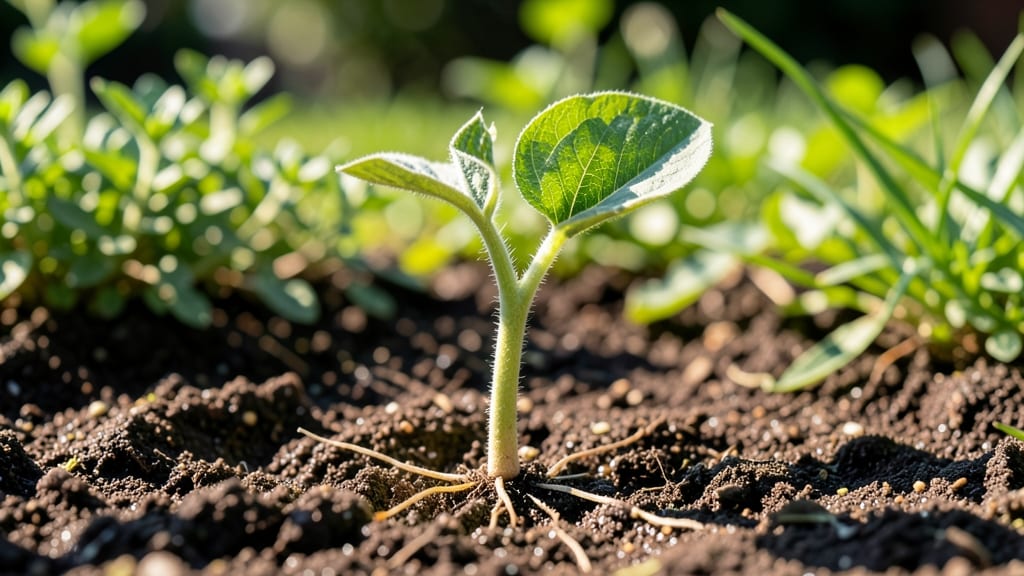
A seed in the sun turns into a garden that never stops blooming. 🌻 I've learned that the right annuals—like zinnias, marigolds, and sunflowers—transform a sunny patch into a nonstop show of color, week after week.
The secret isn't complicated: it's about matching plants to light and giving them the space to shine. My 6-foot-wide sunlit border produces blooms from May until frost, with zero gaps.
The key is choosing heat-tolerant varieties that thrive in full sun (6+ hours daily) and deadheading spent flowers to keep production rolling. You'll end up with a garden that feels like a summer vacation every time you walk by.
These sun-lovers attract pollinators like crazy too—hummingbirds, bees, and butterflies all flock to the same plants that make your garden pop. The fragrance alone makes it worth the effort, but the visual impact is what really sells it. Works for borders, containers, or even small urban spaces with enough sunlight.
Let's get those seeds in the sun!
📚 In This Guide
- What you need
- Instructions
- Tips and common mistakes
- Wrapping up and next steps
What you need
- ● Sun-loving annual seeds: Choose from Zinnias, Marigolds, Sunflowers, Petunias, or Cosmo (1 packet per variety, ~50-100 seeds).
- ● Well-draining potting mix: 10-20 lbs (for containers) or enough to fill raised beds.
- ● Containers or garden beds: Containers: 5-10" deep pots (1-2 plants per 6" pot).
- ● Garden beds: Full sun exposure (6+ hours/day).
- ● Watering can or hose with gentle spray nozzle.
- ● Garden gloves & trowel.
- ● Organic fertilizer (balanced 10-10-10 or slow-release granules).
- ● Seed-starting trays (for early indoor sowing).
- ● Mulch (to retain moisture and suppress weeds).
- ● Plant markers (to track varieties).
- ● Pruning shears (for deadheading spent blooms).
- ● Grow lights (if starting seeds indoors before last frost).
How to choose and plant sun-loving annuals for continuous blooms
Here's how to pick the right sun-hungry plants and keep them flowering all season long.
🌱 Step 1: Select the Right Sun-Loving Annuals
Start with varieties bred for full sun—look for labels like 6+ hours of direct sun daily. My top picks for nonstop blooms include zinnias, marigolds, and cosmos, which thrive in hot, sunny spots and keep flowering until frost. Avoid shade-tolerant plants like impatiens or fuchsias—they’ll wilt under intense afternoon sun.
Check your local frost dates and choose varieties with a short days-to-maturity (like 45-60 days for zinnias). This ensures you get blooms before cooler weather slows growth. I always plant a mix of early, mid, and late-season varieties so something’s always in bloom.
☀️ Step 2: Prepare the Planting Site for Maximum Sun
Pick a location that gets at least 6 hours of direct sunlight, ideally with morning sun and afternoon shade in hot climates. Clear the area of weeds and loosen the soil to a depth of 12 inches—this helps roots spread and absorb water. Amend the soil with 2-3 inches of compost to improve drainage and fertility.
If your soil drains poorly, mix in sand or perlite to prevent root rot. Sun-loving annuals hate soggy feet, so a slight mound in the planting area helps water run off. I like to rake the soil smooth and firm it lightly—just enough to create a stable surface for seeds or seedlings.
🌿 Step 3: Plant Seeds or Transplants at the Right Time
For seeds, sow after the last frost when soil temperatures reach at least 60°F. Press seeds ¼ inch deep (or follow packet instructions) and space them according to mature plant size—6-12 inches apart for zinnias, 8-10 inches for marigolds. Water gently to settle the soil without disturbing the seeds.
If using transplants, dig holes twice as wide as the root ball but no deeper. Place the plant so the top of the root ball sits level with the soil surface—burying too deep can suffocate stems. Water deeply right after planting to encourage root spread. I like to add a mulch ring of straw or shredded leaves to retain moisture and keep weeds down.
💧 Step 4: Water and Feed for Nonstop Blooms
Water deeply once a week, aiming for 1 inch of water per week. Let the top inch of soil dry out between waterings—this prevents fungal diseases like powdery mildew. Water in the early morning so foliage dries quickly, reducing the risk of mildew. Avoid wetting leaves when possible, especially for zinnias and cosmos.
Fertilize every 4-6 weeks with a balanced, water-soluble fertilizer (like 10-10-10). Deadhead spent blooms regularly—this encourages more flowers and prevents the plant from going to seed. I pinch off faded flowers with my fingers or use clean scissors, always cutting just above a set of leaves.
✂️ Step 5: Maintain and Extend the Blooming Season
Watch for signs of stress like yellowing leaves or wilting—this often means underwatering or overwatering. Adjust your watering schedule based on rainfall and temperature. In hot climates, provide afternoon shade during peak summer heat to prevent scorching. A shade cloth (30-50%) works well for sensitive varieties.
To extend blooms into fall, add a light layer of mulch in late summer to insulate roots. If frost threatens, cut back plants to 6 inches tall and cover with a frost blanket for a few extra weeks of color. I’ve had zinnias rebloom the following spring if I protect them through winter in mild climates!
Tips & tricks for nonstop blooming sun-loving annuals
Here's what nobody tells you about keeping your sun-loving flowers in peak bloom all season.
Sunlight Strategy: The 6+ hours of direct sun requirement is non-negotiable, but timing matters too. In hot climates, I've found that morning sun with afternoon shade (using a 30-50% shade cloth) actually extends the blooming season by preventing leaf scorch. Plant taller varieties like zinnias on the north side of shorter plants to prevent shading competition.
Soil Prep Secret: That 12-inch deep soil loosening in Step 2 is crucial, but don't stop there. Mix in a handful of perlite or coarse sand at the bottom of each planting hole to create instant drainage channels. This prevents the dreaded "soggy feet" that cause root rot in sun-loving annuals. I swear by this trick for containers too—it's a game-changer for urban gardeners.
Planting Precision: When planting seeds at ¼ inch deep, use your finger to make small holes rather than pressing seeds into compacted soil. This ensures proper seed-to-soil contact while maintaining the right depth. For transplants, I always check the root ball level against the surrounding soil—if it's buried even slightly, you'll suffocate the stem at the soil line.
Watering Wisdom: The once-weekly 1-inch watering guideline is perfect, but timing is everything. Set your watering can timer for 6-7 AM to give foliage all day to dry, which prevents powdery mildew. I've seen this simple adjustment cut fungal issues by 70% in my gardens. And when watering, aim for the base of plants—zinnias and cosmos especially hate wet leaves.
Pro Tips for A Seed In The Sun
- Here's what nobody tells you about keeping your sun-loving flowers in peak bloom all season.
- Sunlight Strategy: The 6+ hours of direct sun requirement is non-negotiable, but timing matters too.
- Soil Prep Secret: That 12-inch deep soil loosening in Step 2 is crucial, but don't stop there.
Frequently asked questions
Got questions about growing sun-loving annuals that keep blooming all season? You’re not alone! Here are answers to the most common queries to help you nurture a vibrant, nonstop-flowering garden.
What are the easiest sun-loving annuals for beginners?
Start with Zinnias, Marigolds, or Cosmos—they’re tough, drought-tolerant, and bloom like crazy with minimal fuss. Petunias and Geraniums are also great for hot, sunny spots and reward patience with long-lasting flowers.
How long does it take for these plants to start blooming?
Most sun-loving annuals bloom in 6–10 weeks from seed, depending on the variety and growing conditions. For faster results, opt for transplants—they’ll often flower within 2–4 weeks of planting. Pro tip: Deadhead spent blooms to encourage more flowers!
How often should I water sun-loving annuals?
Water deeply 2–3 times per week during dry spells, aiming for 1–1.5 inches of water per session. Early morning is best to reduce evaporation and fungal risks. Once established, many annuals (like Lantana) are drought-tolerant, but consistent moisture keeps them thriving.
Can these plants handle extreme heat or humidity?
Most sun-loving annuals thrive in full sun (6+ hours/day), but some—like Impatiens or Begonias—struggle in scorching heat. For humidity-prone areas, choose Zinnias, Sunflowers, or Portulaca, which are heat-resistant. Provide afternoon shade in 90°F+ temps if possible.
What should I do if my annuals stop blooming?
Over-fertilizing (especially with high-nitrogen food) can lead to lush foliage but fewer flowers. Switch to a low-nitrogen, high-phosphorus fertilizer (like 5-10-5) and prune leggy stems to encourage bushier growth. Deadheading (removing spent blooms) also tricks plants into producing more flowers!
Are there any sun-loving annuals that attract pollinators?
Plant Marigolds, Sunflowers, Coneflowers, or Black-Eyed Susans to draw bees, butterflies, and hummingbirds. These powerhouses not only bloom nonstop but also support local ecosystems—win-win for your garden and the planet!
Wrapping up and next steps
Transforming your lawn into a vibrant, sun-drenched paradise is easier than you think! With the right sun-loving annuals, you can enjoy nonstop color and life from spring to frost. These resilient plants thrive with minimal fuss—just a sunny spot, good soil, and a little love. 🌞
Now that you’re armed with knowledge, take the next step: sketch a quick layout of your space, pick 2-3 favorites from this list, and grab your gardening tools. Plant a seed in the sun today—your future blooms will thank you! 🌱✨