
Lawn
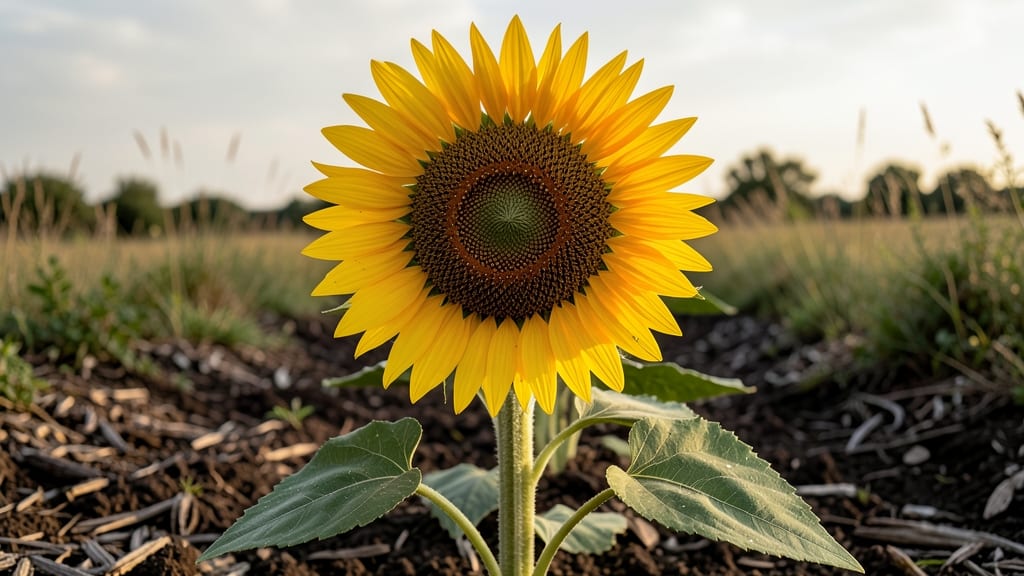
Growing a 10-foot-tall sunflower starts with the right seed—and yes, the biggest sunflower seeds in the world aren’t just for show. 🌻 The 'Russian Giant' variety holds the Guinness record for height, and I’ve grown stems that made my neighbors do a double-take.
The secret isn’t magic; it’s science, patience, and knowing exactly what these giants need to thrive.
You’ll need 6-8 hours of full sun daily, rich, well-draining soil amended with compost, and plenty of space—these monsters need 2-3 feet between plants to avoid crowding.
Start seeds indoors 8-10 weeks before last frost for a head start, and use deep containers (at least 12 inches) to support those towering roots. The payoff? Stems thick enough to lean on and blooms so massive they block sunlight.
Watering is non-negotiable: 1-2 inches per week, especially during flowering. A balanced fertilizer (10-10-10) applied every 2-3 weeks fuels rapid growth, but don’t overdo it—too much nitrogen means fewer blooms.
Stake your giants early; without support, they’ll flop like overgrown weeds. By mid-summer, you’ll have a sunflower so tall it feels like you’re standing under a skyscraper.
Here’s the kicker: these giants aren’t just for bragging rights. The seeds themselves are 3-4 times larger than standard varieties, making them a conversation starter at harvest time. Whether you’re aiming for a record or just a backyard centerpiece, this is how you grow sunflowers that steal the show.
📚 In This Guide
- What you need
- Instructions
- Tips and common mistakes
- Wrapping up and next steps
What you need
- ● Sunflower seeds: Giant variety (e.g., 'Russian Giant' or 'Mammoth'). Buy 10-20 seeds for redundancy—some may not sprout!
- ● High-quality potting mix: 5-10 gallons (sterile, well-draining soil with compost or coconut coir). Avoid garden soil—it may contain pests or diseases.
- ● Large containers: 5-gallon pots or fabric grow bags (minimum 18" diameter) with drainage holes. Pro tip: 💡 Use 2-3 containers per seed to rotate as the plant grows!
- ● Slow-release fertilizer: 10-10-10 or 5-10-10 NPK ratio (mix 1 cup per 5 gallons of soil). Boost with compost tea or worm castings for extra nutrients.
- ● Watering can or hose with gentle nozzle: Drip irrigation is ideal to avoid soil displacement.
- ● Sturdy stakes or trellis: 6-8 ft tall (bamboo, metal, or wooden). Use 3-4 stakes per plant for support.
- ● Plant ties: Soft cloth or Velcro straps (avoid wire—it can damage stems).
- ● Garden trowel or transplanting spade (for planting and soil prep).
- ● pH test kit (aim for 6.0-7.0—sunflowers love slightly acidic to neutral soil).
- ● Pruning shears (for trimming lower leaves to direct energy upward).
- ○ Thermometer/hygrometer (optional but helpful—sunflowers thrive in 70-85°F and 40-60% humidity).
- ○ Growth regulator (optional): Paclobutrazol (follow label instructions) to strengthen stems and reduce lodging.
- ● Sunny location: 6-8+ hours of direct sunlight daily. Partial shade = smaller blooms!
- ● Warmth: Soil temperature should be above 55°F for germination. Use a heat mat if needed.
- ● Space: Giant sunflowers need 3-4 ft of clearance around them for wind resistance and growth.
- ● Patience: From seed to bloom, expect 80-120 days (depending on variety and climate).
Instructions for cultivating record-breaking sunflowers
Here's the method I've refined over years of chasing giant blooms—where science meets sunflower obsession.
🌱 Step 1: Select and Prepare the Champion Seeds
Start with certified giant sunflower varieties like 'Russian Giant' or 'Mammoth'—these hold the world record potential. Soak seeds overnight in lukewarm water to soften the outer shell and kickstart germination. I use a small mesh bag to contain them while soaking, preventing any from slipping away.
After soaking, plant seeds 1 inch deep in individual pots filled with sterile seed-starting mix. The key here is spacing—crowded seedlings compete for nutrients and stall growth. Use 4-inch pots for each seed to give roots room to develop without restriction. Keep the soil consistently moist but never soggy during germination.
☀️ Step 2: Provide Optimal Light and Temperature for Early Growth
Sunflowers need 14-16 hours of light daily from the moment they sprout. Place seedlings under a full-spectrum LED grow light positioned 2-3 inches above the plants. Without sufficient light, stems stretch weakly and develop into leggy, unstable structures that can't support giant blooms.
Maintain soil temperatures between 70-75°F during germination. A seedling heat mat helps if your home runs cooler. Watch for the first true leaves—these will be the second set to appear, after the initial cotyledons. Once they emerge, harden off seedlings by gradually increasing outdoor exposure over 7-10 days before transplanting.
🪴 Step 3: Transplant to Rich, Well-Draining Soil
Choose a sunny location with 8+ hours of direct sunlight daily. Sunflowers need deep, fertile soil with a pH between 6.0-7.5. Amend the planting area with 2-3 inches of compost and a balanced fertilizer (10-10-10) mixed into the top 12 inches of soil. Plant seedlings 18-24 inches apart in rows spaced 3 feet apart to allow air circulation and prevent fungal diseases.
Dig holes slightly deeper than the seedling's root ball to encourage downward growth. Gently firm the soil around the base and water deeply to settle roots. Mulch with 2-3 inches of straw to retain moisture and suppress weeds. The goal is to create an environment where the plant focuses energy on stem and bloom development rather than competing with surrounding vegetation.
💧 Step 4: Implement Strategic Watering and Fertilization
Water at the base of the plant in the morning to allow foliage to dry during the day, reducing disease risk. Aim for 1-2 inches of water weekly, adjusting for rainfall. Overhead watering can lead to fungal issues, especially as the plant matures. I use a soaker hose to deliver water slowly and evenly, ensuring deep root penetration.
Fertilize every 3-4 weeks with a high-phosphorus formula (like 5-10-10) to support robust root and flower development. Avoid nitrogen-heavy fertilizers—they promote leafy growth at the expense of stem strength and bloom size. Watch for signs of nutrient deficiency, such as yellowing leaves, which indicate a need for additional micronutrients like magnesium or iron.
✂️ Step 5: Support and Prune for Maximum Growth
Install sturdy stakes or cages 6-8 feet tall at planting to support the heavy blooms. Sunflowers can grow 12+ feet tall, and their weight can cause stems to snap. Tie the main stem loosely to the support with soft plant ties, adjusting as the stem grows. Avoid binding too tightly—you want to guide growth, not restrict it.
Remove any side shoots that form below the main bloom to direct energy upward. Prune lower leaves that touch the ground to improve air circulation and reduce disease risk. As the flower bud forms, monitor for pests like sunflower moths or beetles. Handpick any visible pests and treat with neem oil if infestations occur. The goal is to keep the plant healthy and focused on producing one massive bloom.
Tips & tricks for cultivating record-breaking sunflowers
Common pitfalls—and how to sidestep every one when chasing world-record sunflowers.
Lighting Secret: Those critical 14-16 hours of daily light aren't just about duration—they're about intensity. If your LED grow lights are dimming over time, clean them monthly with a soft cloth to maintain full spectrum output. I also rotate my seedlings quarter-turn daily so all sides get even exposure, preventing lopsided growth that weakens the stem's structural integrity.
Soil Science: The 2-3 inches of compost and 12 inches of amended soil in Step 3 aren't arbitrary measurements—they create a nutrient gradient that encourages deep root development. For even better results, mix in 1 cup of perlite per cubic foot of soil to improve drainage while maintaining moisture retention. This prevents the dreaded "damping off" that can kill seedlings before they even reach transplanting stage.
Support System: Those 6-8 foot stakes in Step 5 aren't just for show—they're the difference between a 12-foot giant and a snapped stem. I recommend using bamboo stakes for their flexibility (they bend slightly with the plant) and wrap them with soft horticultural tape rather than wire. This allows the stem to grow naturally while providing just enough support to prevent catastrophic failure when the bloom reaches its full weight.
Watering Wisdom: The 1-2 inches of weekly water specified is a baseline, but your actual needs depend on your climate. In hotter regions, I increase to 2-3 inches during peak summer months, always checking soil moisture by sticking my finger 2 inches deep—if it's dry, water again. The key is consistency: sunflowers hate moisture fluctuations, which can cause blossom end rot or weak stem development. A moisture meter is worth the investment for serious growers.
Pro Tips for Biggest Sunflower Seed In The World
- Common pitfalls—and how to sidestep every one when chasing world-record sunflowers.
- Lighting Secret: Those critical 14-16 hours of daily light aren't just about duration—they're about intensity. If you...
- Soil Science: The 2-3 inches of compost and 12 inches of amended soil in Step 3 aren't arbitrary measurements—they cr...
Frequently asked questions
Got questions about growing the biggest sunflower seed in the world? You’re not alone! Here are answers to the most common queries—from curious gardeners to competitive growers.
How long does it take for a sunflower to reach record-breaking size?
A giant sunflower typically takes 90–120 days from seed to full bloom, depending on climate and care. Early varieties (like ‘Russian Giant’) may mature faster (80–90 days), while heirlooms or experimental hybrids can stretch closer to 120+ days. Start seeds indoors 6–8 weeks before the last frost for optimal growth timing.
What’s the secret to preventing sunflowers from toppling over?
Even the biggest sunflower seeds need support! Use sturdy stakes (3–4 feet tall) or bamboo poles tied loosely to the stem with soft fabric (like an old T-shirt) to avoid damage. Plant seeds in well-draining soil and water deeply at the base—never overhead—to keep roots anchored. Mulch around the base to retain moisture and stability.
Can I grow a record-breaking sunflower in a pot?
While possible, it’s challenging—giant sunflowers need deep roots (3+ feet) and space (2–3 feet diameter). Use a 5-gallon container with drainage holes and a mix of potting soil and compost. Choose a dwarf or compact variety (like ‘Teddy Bear’) if space is limited. Containers dry out faster, so monitor soil moisture closely!
What’s the ideal temperature for growing giant sunflowers?
Sunflowers thrive in warm weather (70–85°F during the day) but can tolerate brief chills. Seedlings need 60–70°F to germinate; frost will kill them. For record sizes, aim for a long, hot growing season (100+ frost-free days). In cooler climates, use black plastic mulch or row covers to extend the season.
What if my sunflower starts growing weird—twisted stems or yellow leaves?
Common issues and fixes:
- Twisted stems: Often caused by overcrowding or poor soil drainage. Thin seedlings to 12–18 inches apart and amend soil with compost.
- Yellow leaves: Usually overwatering or nutrient deficiency. Let soil dry slightly between waterings and fertilize with a balanced 10-10-10 mix every 4–6 weeks.
- Pest damage (e.g., aphids): Spray with neem oil or introduce ladybugs for organic control.
Pro tip: Rotate your sunflower’s pot or stake quarter-turns weekly to encourage even growth toward the sun!
Wrapping up and next steps
The biggest sunflower seed in the world isn’t just a quirky record—it’s proof that patience, precision, and passion can yield extraordinary results. 🌻 Whether you’re chasing a Guinness title or simply dreaming of a towering sunflower, this blueprint gives you the tools to grow big.
Start small: plant your first seed today, and let curiosity (and a little sunshine) guide your journey!
Next step: Grab your supplies, sketch a planting plan, and watch your garden bloom into something legendary. The sunflower of your dreams is just a seed away! 🌱