
Lawn
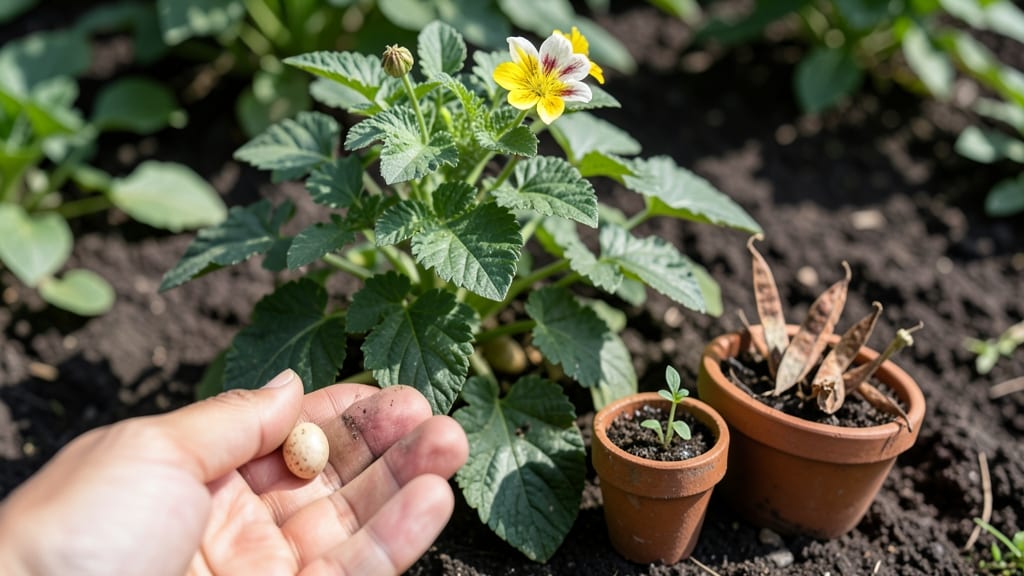
Mustard seed art transforms your garden into a living canvas that keeps changing with the seasons. 🌿 I first discovered this technique while searching for ways to add texture to my front yard without planting another bed—simply pressing seeds into clay or resin creates striking patterns that emerge as vibrant foliage.
The beauty lies in the contrast: mustard seeds create bold yellow blooms that pop against green lawns or dark mulch.
You’ll need basic supplies—a mold or frame, adhesive (like Mod Podge), and a handful of mustard seeds—plus a sunny spot where the seeds can germinate and grow into their signature bright display.
By late spring, your design will burst into color, then fade back into the lawn as the blooms die down. The effect is temporary but magical—like a secret garden message only you and your neighbors can see. Perfect for pathways, borders, or even custom messages.
Here’s how to make it happen without a single seed left behind!
📚 In This Guide
- What you need
- Instructions
- Tips and common mistakes
- Wrapping up and next steps
What you need
- ● Mustard seeds: 1–2 lbs (organic yellow or oriental varieties work best for vibrant color). Pro tip: 💡 Choose untreated seeds for eco-friendly, non-toxic art!
- ● Water: 1–2 gallons (for seed slurry consistency).
- ● Hose or watering can: With a fine spray nozzle for precision.
- ● Stencils or templates: Custom-cut cardboard, vinyl, or reusable lattice designs (e.g., geometric shapes, floral motifs).
- ○ Spray bottle (optional): For misting seeds onto delicate designs.
- ● Ruler or measuring tape: For scaling designs to your lawn size.
- ● Masking tape: To secure stencils in place.
- ○ Gloves (optional): To protect hands from seed residue.
- ● String or chalk: For marking large-scale layouts before planting.
- ● Compost or mulch: Lightly cover seeds post-planting to retain moisture.
- ○ Natural dyes (optional): Turmeric or beet juice for tinted seed blends.
- ● Camera or phone: Capture your masterpiece as it blooms!
Instructions for creating mustard seed art patterns
Let’s turn your garden into a living canvas with vibrant, long-lasting designs.
🌱 Step 1: Design Your Pattern and Prepare the Soil
Sketch your design on paper first—think bold shapes like flowers, geometric patterns, or even your initials. Mustard seeds thrive in full sun, so choose a spot that gets at least 6 hours of direct sunlight daily. Clear the area of weeds and loosen the top 4-6 inches of soil with a rake or tiller.
For crisp edges, use a straight board or string to mark your design in the soil. Press it lightly to create a shallow trench where you’ll plant the seeds. This helps keep lines neat and prevents seeds from scattering. I like to outline mine with a thin layer of sand first—it’s easy to see and adds a subtle contrast to the final look.
💧 Step 2: Plant the Seeds in Your Chosen Pattern
Mustard seeds germinate quickly, so plant them when nighttime temperatures stay above 50°F. Scatter seeds ¼ inch deep along your marked lines, spacing them about ½ inch apart for dense, uniform coverage. If you’re creating letters or shapes, use a small spoon or your finger to place seeds precisely.
Gently press the soil over the seeds to ensure good contact—this helps them stay in place and speeds up germination. Avoid walking on the planted area until seeds sprout. Water lightly right after planting to settle the soil, but don’t oversaturate. You’ll see tiny green shoots emerge in just 3-7 days, so keep an eye out!
☀️ Step 3: Maintain for Vibrant, Long-Lasting Color
Once your mustard seeds sprout, they’ll grow fast—expect 4-6 inch tall plants within 3-4 weeks. Water deeply 1-2 times per week, giving the soil a good soak until moisture reaches 4-6 inches down. Overwatering can dilute the bold colors, so let the top inch of soil dry out between waterings.
Mustard plants thrive in full sun, but if your design includes delicate edges, watch for leggy growth. If stems stretch too tall, thin them slightly to encourage bushier, more vibrant foliage. The flowers will bloom in 6-8 weeks, starting with bright yellow and transitioning to deeper hues as the season progresses.
⏰ Step 4: Enjoy and Plan for Next Season
Your mustard seed art will stay vibrant for 8-12 weeks, depending on your climate. Once the flowers fade, the plants will dry out and turn brown, but the pattern will remain visible in the soil. Take photos of your design—it’s a great reference for replanting the same pattern next year!
After the plants die back, rake the area clean and amend the soil with a light layer of compost. This keeps the soil healthy for future designs. Mustard seeds self-sow easily, so you might spot new volunteers popping up in spring—just thin them to maintain your preferred look.
Tips & tricks for perfect mustard seed art
Here's what nobody tells you about creating show-stopping designs that last all season.
Design Matters: Before sketching, consider how your design will look from different angles. Mustard plants grow toward light, so avoid complex patterns with intricate shadows. I like to test my design by holding it up to a window—if it looks good from all sides, it’ll be stunning in your garden. For bold contrast, try planting white mustard seeds along the edges of your design—they’ll create a striking border effect.
Soil Prep Secret: The key to crisp lines is working with dry soil when you create your initial trenches. Damp soil sticks to your hands and tools, making it harder to press clean lines. If your soil is too wet, let it dry out for a day or two before planting. For extra precision, use a ruler or straightedge to draw your design in the soil before pressing the trenches—this gives you a visual guide to follow.
Germination Timing: Those 3-7 days until sprouting can feel like forever, but there’s a trick to speed things up. After planting, cover the area with a thin layer of straw or mulch to retain moisture and warmth. This helps seeds germinate faster, especially if nighttime temperatures dip near that 50°F threshold. Just be sure not to smother the seeds—keep the covering light and fluffy.
Color Control: For the most vibrant hues, water your mustard plants in the morning rather than evening. Evening watering can lead to fungal growth that dulls the colors. When the plants reach 4-6 inches tall, give them a final deep watering—this helps lock in the bright yellow tones before they transition to deeper shades. If you notice any yellowing leaves, it’s usually a sign of overwatering rather than nutrient deficiency.
Pro Tips for Mustard Seed Art
- Here's what nobody tells you about creating show-stopping designs that last all season.
- Design Matters: Before sketching, consider how your design will look from different angles. Mustard plants grow towar...
- Soil Prep Secret: The key to crisp lines is working with dry soil when you create your initial trenches. Damp soil st...
Frequently asked questions
Got questions about transforming your lawn into a mustard seed masterpiece? Here are some of the most common queries—and their answers—to help you get started with confidence!
How long does it take for mustard seed art to grow and bloom?
Mustard seed patterns typically sprout within 5–10 days after planting, depending on soil temperature and moisture. Full bloom—those vibrant yellow flowers—usually arrives in 3–4 weeks. For best results, plant in early spring or late summer when nights are cool but days are warm. Pro tip: Test soil temps—ideal germination happens at 50–70°F.
Can I use mustard seeds for permanent lawn designs, or will they fade?
Mustard seed art is temporary but stunning! The seeds create bold, eye-catching patterns for 4–6 weeks before fading into green as they mature. To extend the display, plant in stages (e.g., every 2 weeks) or pair with slower-growing annuals like clover for a layered effect. For permanent designs, consider dyeing grass or planting perennial flowers.
Are there cheaper alternatives to mustard seeds for lawn art?
Yes! If mustard seeds are pricey, try these budget-friendly swaps:
- Clover seeds – Slower to grow but hardy; creates lush green patches.
- Alyssum – Tiny white/purple flowers; blooms in 3–4 weeks.
- Dollar spots (fungus) – Free but unpredictable; use a lawn fungus simulator for controlled "art."
- Chalk or natural dyes – For instant patterns (washes away with rain).
What should I do if my mustard seed design looks patchy or uneven?
Patchiness often happens due to uneven planting, poor soil contact, or inconsistent moisture. Troubleshoot with these fixes:
- Re-seed sparse areas immediately—mustard seeds germinate quickly!
- Water lightly twice daily (keep soil damp, not soggy) for the first week.
- Rake seeds into soil gently after planting to ensure good seed-to-earth contact.
- Avoid planting in full sun if temps exceed 80°F—seeds may dry out.
Will mustard seed art attract bees or pests to my yard?
Mustard flowers are bee-friendly and won’t harm your lawn—but they will attract pollinators! If bees are a concern, plant mustard seed art in small sections or opt for bee-balanced alternatives like cosmos or marigolds. For pest control, avoid over-fertilizing (mustard thrives in lean soil). Bonus: The flowers also lure beneficial predators like ladybugs, which eat garden pests!
Wrapping up and next steps
Mustard seed art isn’t just a creative trend—it’s a bold, sustainable way to transform your lawn into a living masterpiece that evolves with the seasons. Whether you’re drawn to geometric designs, whimsical shapes, or abstract patterns, the key is patience and a little experimentation.
The best part? Your "canvas" keeps growing, offering fresh inspiration year after year.
Ready to bloom with confidence? Start small—sketch your design, gather your tools, and let your lawn become your playground. Tag us in your creations! 🌱✨