
Propagation
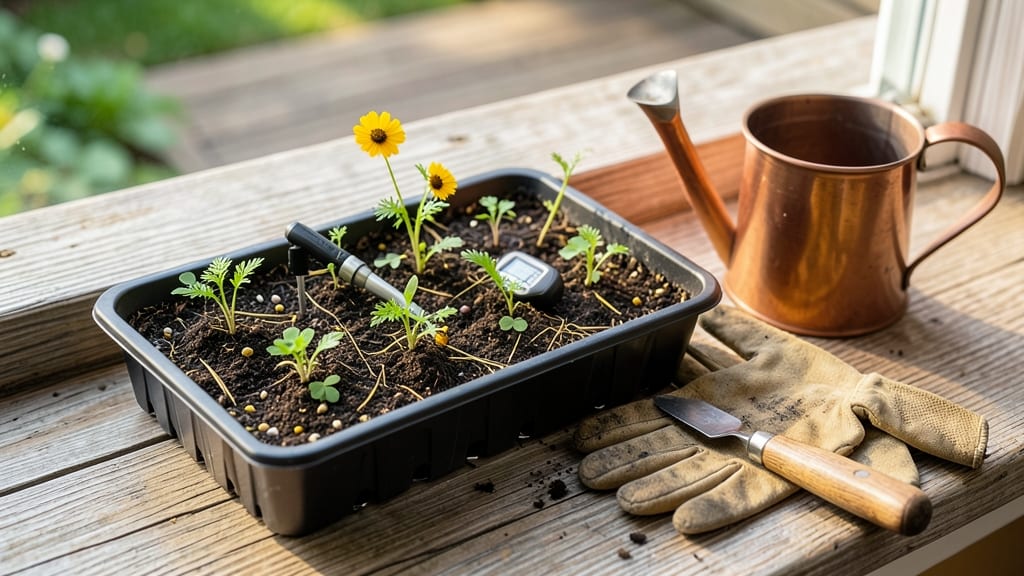
Wildflower seed germination time varies wildly—some pop up in just 7 days, while others take 30 days or more before you see that first green shoot. 🌱 I’ve learned the hard way that rushing germination checks only leads to disappointment, but knowing the right timing and conditions makes all the difference. The key? Matching your seeds to your zone and planting at the perfect moment for summer blooms.
Most wildflower seeds germinate fastest when soil temperatures hit 60–70°F, which is why early spring or late summer planting works best in most regions. Cool-season varieties like bluebonnets might sprout in 10–14 days, while heat-loving black-eyed Susans take 21–30 days.
The trick isn’t just waiting—it’s creating the right conditions: consistent moisture without soggy soil and a spot with plenty of sunlight.
By the time those first leaves appear, you’re already on track for 6–12 weeks of growth before blooms, depending on the species. Imagine the joy of watching a meadow transform from bare soil to a riot of color—all because you gave those tiny seeds the right start.
The payoff is worth the wait, especially when you see pollinators flocking to your wildflower patch.
If germination takes longer than expected, don’t panic—some seeds need light exposure or a cold stratification period to break dormancy. A quick soak in warm water or a few weeks in the fridge can work wonders.
For best results, plant in fall or early spring, when nature’s timing aligns with your wildflowers’ needs.
📚 In This Guide
- What you need
- Instructions
- Tips and common mistakes
- Wrapping up and next steps
What you need
- ● Wildflower seeds: Choose native seeds suited to your blank">USDA Plant Hardiness Zone. Buy 1–5 lbs (0.5–2.3 kg) per 100 sq ft (9.3 m²) of garden space.
- ● Growing medium: Potting soil: 1–2 bags (1–2 cubic feet or 28–57 L) of well-draining, sterile potting mix (e.g., Miracle-Gro Moisture Control).
- ● Outdoor soil: Loose, nutrient-rich garden soil (amend with compost if needed).
- ● Containers: Seed trays or flats: 1–2 trays (10x20 inches or 25x50 cm) with drainage holes.
- ● OR Biodegradable seed pots (e.g., Jiffy-7 Pellets, 50+ pellets).
- ● Watering can or spray bottle: With a fine mist nozzle for gentle hydration.
- ● Grow lights or sunny windowsill: For indoor starts (12–16 hours of light/day).
- ● Plant labels: Waterproof tags to track seed types and germination dates.
- ○ Gloves (optional but recommended): To protect hands from soil and seeds.
- ● Zone-specific timing: Research your zone’s blank">last frost date (e.g., Zone 5: plant 2–4 weeks before last frost; Zone 10: direct-sow year-round).
- ● Temperature control: Indoor starts: Keep soil at 65–75°F (18–24°C) using a heat mat (e.g., Vivosun Germination Mat) if needed.
- ● Outdoor sowing: Wait until soil reaches 50–60°F (10–15°C) for most wildflowers.
- ● Sunlight access: Ensure 6+ hours of direct sunlight daily (adjust for shade-tolerant varieties).
- ● Water source: Access to soft, room-temperature water (avoid chlorinated water; let tap water sit 24 hours).
- ● Seed starter fertilizer: Diluted liquid fertilizer (e.g., Fish Emulsion 5-1-1) to boost early growth.
- ● Clear plastic domes: To retain humidity during germination (remove once sprouts appear).
- ● Mulch: Straw or shredded leaves to retain moisture post-planting.
- ● Germination journal: Notebook or app (e.g., Gardenate) to log seed varieties and germination times.
- ● Wildflower companion plants: Fast-growing cover crops (e.g., clover) to suppress weeds.
Understanding wildflower seed germination time by planting zone
Germination timelines vary dramatically by region—here’s how to predict blooms with precision.
🌱 Step 1: Identify Your Planting Zone and Wildflower Type
First, locate your USDA hardiness zone (1-12) to narrow down germination expectations. For example, cool-season wildflowers like bluebonnets (Zone 6-10) germinate in 2-4 weeks, while warm-season varieties such as black-eyed Susans (Zone 3-9) take 3-6 weeks. Check seed packets for zone-specific notes—these often include germination ranges.
Here’s the thing—some wildflowers require stratification (cold treatment) or scarification (seed coat roughening) to break dormancy. If your seeds need stratification, place them in a sealed bag with damp sand in the fridge for 4-8 weeks before planting. For scarification, rub seeds between sandpaper or nick the outer shell with a knife.
⏰ Step 2: Calculate Germination and Bloom Timelines
Wildflower germination times fall into three broad categories: fast (2-4 weeks), moderate (4-8 weeks), and slow (8-12 weeks). Fast germinators like poppies often bloom 6-8 weeks after planting, while slower varieties like coneflowers may take 10-12 weeks to show color. Use this rule of thumb: Add germination weeks to bloom weeks to estimate total time to flowers.
Zone matters here—Northern climates (Zones 1-5) typically see delayed germination due to cooler soils. For instance, a wildflower with a 4-week germination time in Zone 8 might take 6-8 weeks in Zone 4. Plant in early spring or late summer to align with your region’s natural temperature shifts.
☀️ Step 3: Optimize Soil Temperature and Moisture for Faster Germination
Most wildflower seeds germinate best at soil temperatures between 60-75°F. Use a soil thermometer to monitor conditions—if readings drop below 50°F, germination slows dramatically. In cooler zones, plant in late spring when soil warms consistently. For warm-season flowers, wait until after the last frost and soil reaches 65°F.
Keep the planting area evenly moist but not soggy during germination. A light misting every 2-3 days (or daily in hot climates) prevents seeds from drying out. You’ll know moisture is right when the soil surface feels damp to the touch but doesn’t leave puddles. Overwatering suffocates seeds—water at the base, not overhead.
🌿 Step 4: Monitor for Sprouts and Adjust Care Accordingly
Watch for first true leaves (not the initial seed leaves) to appear—this confirms successful germination. Thin seedlings to 6-12 inches apart (depending on the species) once they reach 2 inches tall. Crowded plants compete for nutrients and light, weakening growth. I always pull weeds aggressively during this stage—wildflowers are slow starters and can’t outcompete invaders.
If germination stalls after 2 weeks, check for fungal damping-off (blackened stems) or pest damage (chewed seeds). Adjust care immediately: reduce watering, improve airflow, or apply a fungicide if needed. Real talk—some years, only 30-50% of seeds germinate naturally. Don’t replant; let nature handle the rest.
✂️ Step 5: Plan for Seasonal Bloom Timing
Wildflowers bloom in waves—spring ephemerals like violets fade by summer, while late-season varieties like goldenrod shine in fall. Track your region’s first and last frost dates to time plantings for two blooming seasons: early spring (March-April) and late summer (August-September). For example, planting coreopsis in early spring yields summer blooms, while a fall planting produces next-year flowers.
Here’s the trick to extending blooms: deadhead spent flowers after they fade to encourage reblooming. For perennials, this isn’t critical, but annuals like cosmos benefit from regular removal of dead blooms. You’ll see a second flush of flowers in 4-6 weeks if you maintain this habit.
Tips & tricks for predicting wildflower blooms with precision
These game-changing insights will help you transform guesswork into garden success stories.
Zone-Specific Timing: Remember those 2-4 week germination windows for cool-season flowers? In Zones 1-5, extend that range by 2-4 weeks—cooler soils slow everything down. I've seen bluebonnets in Zone 6 sprout in 3 weeks during warm springs, but the same seeds took 6 weeks in a cooler-than-average year. Always check your local frost dates and adjust expectations accordingly.
Stratification Shortcuts: For seeds requiring 4-8 weeks of cold treatment, I've found that using a seed stratification kit (available at garden centers) is far more reliable than DIY fridge methods. These kits maintain consistent moisture and temperature—critical for breaking dormancy. If you're impatient, you can also try the paper towel method: place seeds between damp paper towels in a sealed bag for 2-4 weeks before planting.
Soil Temperature Secrets: That 60-75°F optimal range isn't just a suggestion—it's where the magic happens. I invest in a soil thermometer ($15 at garden stores) because soil temperatures can vary 10°F or more between morning and afternoon. If your readings consistently fall below 50°F, consider using black plastic mulch to warm the soil 5-10°F faster. This is especially helpful in cooler zones where germination can stall completely.
Germination Tracking System: Create a simple chart tracking your planting dates, seed types, and expected bloom windows. For example, if you plant poppies (2-4 week germination + 6-8 week bloom) on March 15th, mark your calendar for May 5th-June 15th for potential blooms. I've found this visual approach reduces anxiety—wildflowers often surprise us by blooming earlier than predicted, especially in warmer microclimates.
Pro Tips for Wildflower Seed Germination Time
- These game-changing insights will help you transform guesswork into garden success stories.
- Zone-Specific Timing: Remember those 2-4 week germination windows for cool-season flowers?
- Stratification Shortcuts: For seeds requiring 4-8 weeks of cold treatment, I've found that using a seed stratification kit (available at garden centers) is far more reliable than DIY fridge methods.
Frequently asked questions
Got questions about wildflower seed germination?
You’re not alone! Here are answers to the most common ones—so you can plant with confidence and watch those blooms emerge.
How long does it take for wildflower seeds to germinate?
Germination time varies by species and climate zone. Most wildflowers sprout in 7–30 days, but some (like Coreopsis or Black-Eyed Susan) may take up to 60 days. Check the seed packet for specifics—cool-season blooms (e.g., Lupine) often germinate faster in spring or fall.
Can I speed up germination for slow-starting seeds?
Yes! Try these tricks:
- Stratification: Mimic winter by chilling moist seeds in the fridge for 1–3 months (ideal for Milkweed or Phlox).
- Scarification: Nick the seed coat with sandpaper or soak in warm water to break dormancy.
- Light exposure: Some seeds (like Sunflower) need sunlight to germinate—plant them shallowly.
What’s the best temperature for germinating wildflower seeds?
Most wildflowers thrive in 60–75°F (15–24°C), but timing matters:
- Cool-season flowers (e.g., Bluebonnet, Violet): 50–60°F (10–15°C)—plant in early spring or fall.
- Warm-season flowers (e.g., Blanket Flower, Gaillardia): 70–80°F (21–27°C)—wait until soil is warm (after last frost).
What should I do if my wildflower seeds aren’t sprouting?
Don’t panic! Try these troubleshooting steps:
- Check moisture: Keep soil consistently damp (not soggy). Use a spray bottle for fine seeds.
- Verify depth: Tiny seeds (like Poppy) need only 1/8-inch coverage—burying them too deep suffocates them.
- Test viability: Crush a few seeds—if they’re hard and unbroken, they may still be viable. Try a new batch or stratification.
- Patience: Some seeds (e.g., Prairie Coneflower) are slow but will come!
Can I plant wildflower seeds in fall for spring blooms?
Fall planting
is perfect for many wildflowers—especially in Zones 3–7. The cold period stratifies seeds naturally, and they’ll germinate in early spring. Aim to plant 4–6 weeks before your first frost. Just ensure seeds aren’t planted in waterlogged soil or they’ll rot.
Wrapping up and next steps
Growing wildflowers from seed is a rewarding journey that connects you to nature’s beauty—one bloom at a time! 🌸 Whether you’re in a cool coastal zone (5-8 weeks) or a hot desert climate (2-4 weeks), understanding your region’s germination timeline ensures success.
With the right prep, patience, and care, you’ll soon enjoy a vibrant, pollinator-friendly garden bursting with life.
Ready to take the next step? Start small: pick 1-2 wildflower varieties perfect for your zone, gather your supplies, and plant your first batch. Track progress, adjust as needed, and watch your garden transform into a thriving ecosystem. Happy planting! 🌱