
Lawn
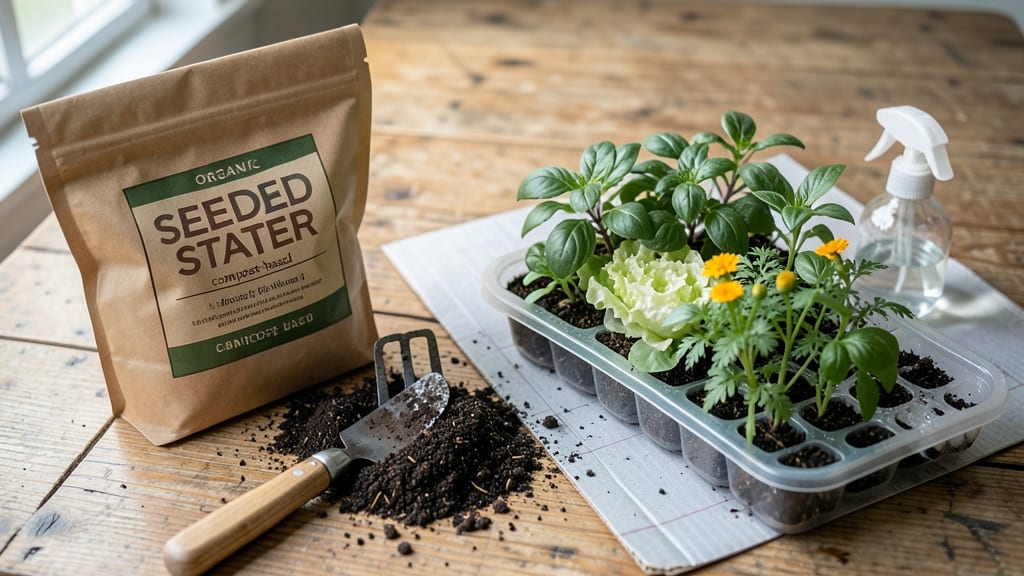
My organic seed starter mix is the secret weapon behind my seed-starting success—light, airy, and packed with nutrients to get seedlings sprouting in 5-7 days instead of weeks. 🌱 The difference between a weak, leggy seedling and a stocky, vibrant one often comes down to the soil you start with, and this mix delivers exactly what seeds need to thrive.
The magic is in the balance: 50% peat moss or coconut coir for moisture retention, 30% compost for nutrients, and 20% perlite or vermiculite to keep roots breathing. Too much peat and your seedlings drown; too much perlite and they dry out.
This mix stays moist but never soggy, giving roots the perfect environment to establish before transplanting. You’ll notice the first true leaves appear strong and dark green, not yellow or stretched. These seedlings transplant like pros—no shock, no wilting—because they’ve grown up in ideal conditions.
The mix even works for finicky seeds like tomatoes and peppers, which often struggle in generic potting soil. Homemade or store-bought, the key is sterilizing your mix first to kill fungus and pests.
Use it for indoor trays, outdoor flats, or even paper towel seed starting—just adjust moisture levels based on your climate. Ready to grow?
📚 In This Guide
- What you need
- Instructions
- Tips and common mistakes
- Wrapping up and next steps
What you need
- ● Coco coir or peat moss – 2 parts (holds moisture and provides aeration)
- ● Perlite or vermiculite – 1 part (boosts drainage and root growth)
- ● Compost or worm castings – 1 part (adds nutrients for strong seedlings)
- ○ Organic starter fertilizer (optional but helpful) – 1 tbsp per quart of mix
- ● Seedling trays or small pots (with drainage holes!)
- ● Seeds (your choice—herbs, veggies, or flowers!)
- ● Spray bottle (for gentle watering)
- ● Gloves (to keep hands clean)
- ● Mixing container or large bowl (for combining ingredients)
- ● Small hand shovel or fork (for blending)
- ○ pH testing kit (optional) – Aim for a slightly acidic mix (pH 6.0–7.0)
- ● Clear plastic wrap or humidity dome (to retain moisture while seeds germinate)
How to make an organic seed starter mix that speeds germination
This fluffy, nutrient-rich blend works faster than store-bought mixes and gives seedlings a stronger start.
🌱 Step 1: Combine Base Components for Light, Airy Texture
Start with 2 parts coconut coir—this holds moisture while preventing compaction. Add 1 part perlite to create air pockets that encourage root development. I sift these together first to avoid clumping, then fold in ½ part worm castings for gentle, organic nutrition. The castings won't overpower seedlings but provide just enough nitrogen to kickstart growth.
Mix thoroughly until the blend looks uniformly dark and fluffy. You'll notice the perlite creates tiny bubbles throughout—this is what makes the mix fast-draining yet moisture-retentive. If it feels too dense, add a little more perlite until it resembles a damp sponge when squeezed.
🌿 Step 2: Add Mycorrhizal Fungi for Root Boost
Sprinkle 1 teaspoon of mycorrhizal inoculant over the mix and stir gently. This beneficial fungus forms symbiotic relationships with seedling roots, helping them absorb nutrients more efficiently. I like to do this last so the fungi stay protected in the blend rather than exposed to light.
Here's the thing—this step might seem unnecessary, but it's what turns good soil into great soil. You'll see stronger stems and faster leaf production because the roots are working smarter, not harder. Just don't overdo it; more isn't better with mycorrhizae.
💧 Step 3: Hydrate Without Waterlogging
Pour the mix into a clean container and slowly add warm water until the blend reaches the consistency of a damp sponge. It should hold together when pressed but not drip water. I use a spray bottle for the final touch to avoid creating pockets of dryness. The goal is even moisture without saturation.
Let it sit for 15 minutes to ensure even distribution. If the surface looks dry after that, mist again lightly. You'll know it's perfect when the mix feels cool to the touch but doesn't feel soggy. This hydration step is critical—overwatering now will lead to mold before seeds even sprout.
⏰ Step 4: Store Properly for Freshness
Transfer the mix to airtight containers and store in a cool, dark place. I keep mine in glass jars with loose lids to allow minimal airflow. This blend stays fresh for 3-4 months, but I always make a fresh batch for each new planting season because freshness directly impacts germination speed.
When you're ready to use it, give the mix a quick stir to redistribute any settled components. The fluffiness might decrease slightly over time, but it will still outperform many commercial mixes. You'll notice the difference immediately—seeds sprout faster and seedlings grow stronger from the first true leaves.
Tips & tricks for perfect organic seed starter mix
Took me a while to figure these out, so here goes—your secret weapon for faster, stronger seedlings.
Texture is Everything: When mixing the 2 parts coconut coir, 1 part perlite, and ½ part worm castings in Step 1, think "cloud-like" rather than "packed dirt." The perlite should create visible air pockets—this isn't just decoration, it's what prevents root rot. I've ruined batches by skipping this step, and seedlings drowned in soggy soil.
Mycorrhizal Magic Timing: The 1 teaspoon of mycorrhizal inoculant in Step 2 needs to stay protected. Add it last and stir gently—no vigorous mixing! These beneficial fungi are living organisms, and rough handling can damage them. You'll see the difference in root development within days.
Hydration Hack: That 15-minute wait in Step 3 isn't optional—it's when the water fully integrates. I used to skip it, thinking "it looks wet enough," but that's when mold starts. Press the mix: if water beads up on top, it's too wet. If it crumbles when pressed, add a spray. Aim for that damp sponge consistency.
Storage Wisdom: The 3-4 month shelf life in Step 4 assumes proper conditions. I learned this the hard way when a batch went moldy after 2 months—turns out my basement wasn't dark enough. Store containers in a cool, completely dark spot (a closet works) and check for any musty smells before use.
Pro Tips for Organic Seed Starter Mix
- Took me a while to figure these out, so here goes—your secret weapon for faster, stronger seedlings.
- Texture is Everything: When mixing the 2 parts coconut coir, 1 part perlite, and ½ part worm castings in Step 1, think "cloud-like" rather than "packed dirt."
- Mycorrhizal Magic Timing: The 1 teaspoon of mycorrhizal inoculant in Step 2 needs to stay protected.
Frequently asked questions
Got questions about your organic seed starter mix?
You’re not alone! Here are answers to the most common queries to help you grow confidently.
What’s the best ratio of organic seed starter mix to water when planting?
For most seeds, aim for a moist-but-not-soggy consistency—like a damp sponge. Mix 1 part starter mix to 1 part water, then adjust slightly. Too wet? Add more mix. Too dry? Spritz with water. Pro tip: Use a spray bottle for delicate seedlings!
How long does it take for seeds to germinate in organic starter mix?
Germination time varies by seed type! Fast growers (like radishes or lettuce) sprout in 3–7 days, while slower ones (tomatoes, peppers) may take 1–3 weeks. Keep the mix consistently moist and warm (70–75°F) for best results. Patience is key!
Can I reuse leftover organic seed starter mix?
Yes, but with caution! Store unused mix in a cool, dry place (like a sealed container) for up to 2–3 months. Avoid reuse if it’s moldy, compacted, or smells off. For best germination, fresh mix is ideal—think of it like seedling “fresh bread”!
What’s a good alternative if I don’t have organic seed starter mix?
No worries! Mix 50% peat moss or coco coir with 50% perlite or vermiculite for drainage. Add a handful of compost for nutrients. Avoid garden soil—it’s too dense and may harbor pests. Bonus: Worm castings boost growth too!
My seedlings look leggy or weak—what’s wrong?
Leggy seedlings often mean too little light or overcrowding. Move trays to a sunny window (or use grow lights) and thin seedlings if they’re touching. Check for dampness too—root rot can weaken stems. Sunlight + space = happy sprouts!
Wrapping up and next steps
Your journey to a thriving garden starts with the right foundation—organic seed starter mix! 🌱 With its nutrient-rich blend, fast germination, and gentle care requirements, this fluffy soil is your secret weapon for robust seedlings.
Whether you're a seasoned gardener or a curious beginner, every sprout you nurture today will reward you with healthier plants tomorrow.
Ready to take the next step? Grab your supplies, mix up a batch, and watch your seeds transform into vibrant seedlings! Happy growing! 🌿