
Propagation
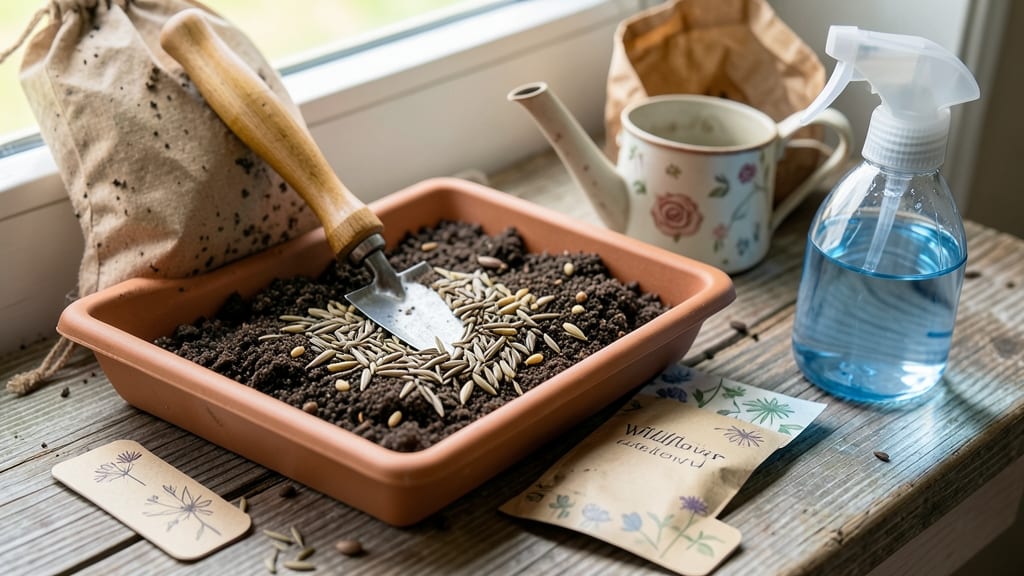
Growing wildflowers from seed in pots turns even a tiny balcony into a buzzing pollinator paradise. 🌿 I’ve filled window boxes with sunflowers, cosmos, and black-eyed Susans that bloom from spring through frost—no yard required. The key is starting small, with the right mix of seeds, soil, and sunlight.
You’ll need shallow containers with drainage holes, a lightweight potting mix, and seeds labeled for your hardiness zone. Most wildflower seeds germinate best in 60-70°F soil, so wait until after the last frost or start indoors in early spring.
A 1-inch sowing depth works for most varieties, and keeping the soil consistently moist (not soggy) is critical during those first weeks.
Once seedlings pop up, thin them to 2-3 inches apart to prevent overcrowding, and feed lightly with a balanced fertilizer every 4-6 weeks. The payoff? A riot of color that attracts bees, butterflies, and hummingbirds—all while requiring far less space (and weeding) than a traditional garden.
For year-round blooms, overwinter pots in a sheltered spot or bring them indoors before hard freezes. With minimal effort, you’ll have a low-maintenance, high-impact garden that thrives in containers, window boxes, or even hanging baskets. Let’s get those seeds planted!
📚 In This Guide
- What you need
- Instructions
- Tips and common mistakes
- Wrapping up and next steps
What you need
- ● Wildflower seeds: Choose native or drought-resistant varieties (e.g., cosmos, black-eyed Susan, or poppies). Aim for 1–2 teaspoons per pot (adjust based on seed size).
- ● Containers: Pots with drainage holes (4–6 inches deep). Use 3–5 pots per variety for better results.
- ● Potting mix: Lightweight, well-draining soil (avoid garden soil—it compacts). A 50/50 blend of potting mix and perlite/sand works well.
- ● Watering can or spray bottle: With a fine mist nozzle for gentle hydration.
- ● Grow lights or sunny windowsill: 6+ hours of light daily (south-facing windows or LED grow lights).
- ● Plant labels: Small stakes or markers to track seed types.
- ● Seed-starting trays: For organized germination (use biodegradable pots to avoid transplant shock).
- ● Heating mat: Speeds up germination for slow starters (set to 70–75°F).
- ● Fertilizer: Low-dose, organic option (e.g., fish emulsion) after sprouts appear.
- ● Tweezers: For delicate seed handling (especially tiny wildflower seeds).
- ● Mulch or pebbles: Retains moisture and adds aesthetics to your pots.
Step-by-step instructions for growing wildflowers from seed in pots
Here’s how to transform small spaces into vibrant wildflower displays—no garden needed.
🌱 Step 1: Select the Right Containers and Soil Mix
Choose containers with drainage holes (at least 4-6 inches deep) to prevent root rot. I prefer terracotta pots because they wick away excess moisture, which wildflowers hate. For 4 pots, use a mix of 2 parts potting soil, 1 part perlite, and 1 part compost—this ensures excellent drainage while retaining enough moisture for germination.
Fill each pot to 1 inch below the rim, then tap gently to settle the soil. Press down lightly with your fingers to create a firm seedbed. The goal is a loose, airy mix that won’t compact around delicate wildflower roots. If your mix feels too dense, add a handful of sand or coconut coir to improve aeration.
💧 Step 2: Sow Seeds at the Correct Depth and Spacing
Wildflower seeds vary in size, but most need only ⅛ to ¼ inch of soil coverage. Scatter seeds thinly—don’t crowd them—since wildflowers grow best when they have room to spread. For 4 pots, aim for 1-2 teaspoons of seed per pot, depending on the variety. I like to mix seeds in a small bowl first to distribute them evenly.
Lightly cover seeds with a fine layer of soil or vermiculite, then mist gently with water until the surface looks damp but not soggy. Overwatering now can wash seeds away or cause them to rot. Place pots in a tray to catch any runoff, and keep them in a warm spot (65-75°F) for consistent moisture.
☀️ Step 3: Provide Consistent Moisture and Light for Germination
Wildflower seeds need consistent moisture to germinate, but once they sprout, they’re drought-tolerant. Water gently every 2-3 days, keeping the top ½ inch of soil moist—never let it dry out completely. You’ll see tiny sprouts in 7-21 days, depending on the variety. Some seeds, like poppies, germinate quickly, while others, like cosmos, take longer.
Move pots to a bright, indirect light spot once sprouts appear. Avoid direct sun until seedlings are 1-2 inches tall—their tender leaves can scorch. If using a grow light, keep it 3-4 inches above the pots and provide 12-14 hours of light daily. Leggy seedlings mean your light is too far away.
✂️ Step 4: Thin and Care for Young Plants
Once seedlings reach 2-3 inches tall, thin them to 3-4 inches apart to prevent overcrowding. Use small scissors to snip excess seedlings at soil level—this reduces transplant shock. Wildflowers thrive in clusters, so leave the strongest stems and remove weaker ones. This step ensures each plant gets enough nutrients and air circulation.
After thinning, water deeply but less frequently—once every 5-7 days—to encourage deep root growth. Once seedlings have 4-6 true leaves, they’re ready for full sun (6+ hours daily). Harden them off by moving pots outdoors for 1-2 hours daily, gradually increasing exposure over 7-10 days. Watch for wilting—if it happens, they’re not ready for direct sun yet.
🌿 Step 5: Maintain and Enjoy Year-Round Blooms
Wildflowers in pots need minimal care once established. Water deeply once a week, letting excess water drain completely. Deadhead spent blooms to encourage more flowers, but leave some seed heads for wildlife. In colder months, move pots to a sheltered spot or bring them indoors if temperatures drop below 40°F. Most wildflowers are hardy and will regrow in spring.
Rotate pots occasionally to ensure even growth, and fertilize lightly once a month with a balanced, water-soluble fertilizer (half-strength). You’ll see blooms in 6-12 weeks, depending on the variety. The key to long-term success? Don’t overwater—wildflowers hate soggy roots. With this approach, your pots will burst with color season after season.
Tips & tricks for perfect wildflower pots
Transforming your balcony into a wildflower paradise starts with these game-changing strategies—because even the hardiest seeds need the right conditions to thrive.
Container Selection Wisdom: While terracotta works beautifully, don't overlook self-watering pots if you tend to forget watering schedules. The built-in reservoirs maintain consistent moisture at the roots without drowning them—critical during those 7-21 days when germination is most fragile. For urban spaces, consider vertical planters with drainage holes to maximize vertical real estate while preventing root rot.
The Lighting Secret: That 12-14 hours of daily light during germination isn't just about intensity—it's about consistency. If using natural light, rotate your pots every 2-3 days so all seedlings get equal exposure. For artificial lighting, LED grow lights are ideal because they emit less heat than incandescent bulbs, protecting tender seedlings from scorching while maintaining the proper light spectrum for photosynthesis.
Germination Environment: The 65-75°F temperature range for germination is non-negotiable, but creating this microclimate is easier than you think. Place pots on top of your refrigerator (if it's not too cold) or use a seedling heat mat set to 70°F. For humidity, cover pots with clear plastic wrap or a humidity dome—just remember to remove it as soon as sprouts appear to prevent fungal growth. This simple trick can double your germination rates.
Thinning Technique: When thinning seedlings to 3-4 inches apart in Step 4, use a small spoon to gently loosen the soil around weaker stems before snipping. This reduces transplant shock for the remaining plants. For delicate varieties like baby's breath, consider transplanting rather than cutting—gently lift the entire clump and separate roots with your fingers. The key is to disturb the root systems of your chosen plants as little as possible.
Pro Tips for Growing Wildflowers From Seed In Pots
- Transforming your balcony into a wildflower paradise starts with these game-changing strategies—because even the hardiest seeds need the right conditions to thrive.
- Container Selection Wisdom: While terracotta works beautifully, don't overlook self-watering pots if you tend to forget watering schedules.
- The Lighting Secret: That 12-14 hours of daily light during germination isn't just about intensity—it's about consistency.
Frequently asked questions
Got questions about growing wildflowers from seed in pots? You're not alone! Here are some of the most common concerns—and their solutions—to help you succeed with this easy, rewarding project.
Can I grow wildflowers from seed in pots all year round?
Most wildflower seeds thrive best when sown in early spring or late summer/fall, mimicking their natural germination cycles. However, many species (like cosmos or zinnia) can be started indoors in pots anytime under grow lights. Just avoid sowing in extreme heat or cold—aim for 60–75°F soil temps for best results!
How often should I water wildflower seeds in pots?
Keep soil consistently moist but not soggy until seeds germinate (usually 7–21 days). After sprouting, reduce watering slightly—wildflowers hate overwatering! Let the top inch of soil dry out between waterings. Use a spray bottle or gentle watering can to avoid disturbing tiny seedlings.
Do I need special soil for wildflower seeds in pots?
Nope! A lightweight, well-draining potting mix (like a 50/50 blend of peat moss and perlite) works perfectly. Avoid heavy garden soil—it compacts and suffocates roots. For extra insurance, add a thin layer of sand or vermiculite on top to improve drainage and prevent damping-off disease.
Why aren’t my wildflower seeds germinating in pots?
Common culprits include: old seeds (test viability first!), too-deep planting (most seeds need light to sprout), or temperature/light issues. Try these fixes:
- Cover pots with plastic wrap to retain humidity.
- Move pots to a sunny windowsill or under grow lights (12–16 hours/day).
- Check seed packets for stratification needs (some need cold treatment!).
Can I reuse pots or soil from last year’s wildflowers?
Reusing pots is fine, but sterilize them first with a 10% bleach solution or boiling water to kill pests/disease. As for soil, replace it entirely—old soil may harbor weeds, fungi, or depleted nutrients. If you’re short on mix, amend used soil with compost or fresh perlite to refresh it.
What’s the best way to transplant wildflower seedlings to the garden?
Wait until seedlings have 2–3 sets of true leaves and are at least 2–3 inches tall. Harden them off for 5–7 days by placing pots outside in shade, gradually increasing sun exposure. Transplant on a cloudy day or late afternoon to reduce stress. Space them according to their mature size (check seed packets!) and water thoroughly after planting.
Wrapping up and next steps
Growing wildflowers from seed in pots is a rewarding way to bring vibrant color and life to small spaces—no green thumb required! 🌸 With just a few supplies, patience, and a little sunlight, you can transform ordinary containers into a thriving wildflower garden.
Start small, experiment with varieties, and soon you’ll be enjoying year-round blooms that attract pollinators and lift your spirits.
Ready to dive in? Pick your favorite seeds, grab a pot, and get planting! Share your progress or tips in the comments—we’d love to see your wildflower journey unfold. 🌱