
Propagation
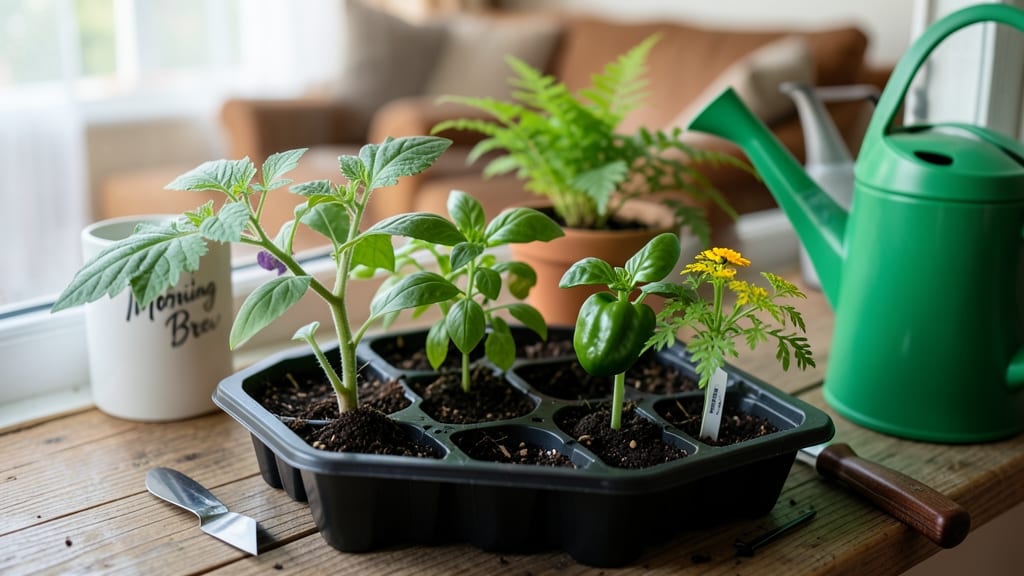
Transplanting seedlings from seed trays at the right time means the difference between strong, thriving plants and stunted, struggling ones 🌱.
Transplanting seedlings too early can stunt growth, while waiting too long risks overcrowded roots—so knowing the perfect timing is crucial for a thriving garden.
For USDA Zone 6a, aim to move seedlings outdoors 4-6 weeks before your last frost (around mid-March), but don’t rush—seedlings need to be at least 2-3 inches tall with sturdy stems and 4-6 true leaves before they handle outdoor conditions.
Below, I’ll walk you through the exact signs to watch for, how to harden off seedlings properly, and the 3 biggest mistakes that derail even the most careful gardeners.


Ideal seedling size and development stages for transplanting
Transplanting seedlings at the right stage ensures strong growth and reduces shock. The key is watching for physical maturity rather than relying on a fixed timeline. Each plant type has unique indicators—like leaf count or stem thickness—that signal readiness.
For example, tomatoes and peppers need deeper root systems, while herbs like basil thrive with smaller, bushier forms.
Seedlings typically reach transplant-ready size between 4-8 weeks after germination, depending on the variety. Leaf development is a critical clue: most vegetables need 4-6 true leaves (excluding cotyledons), while herbs like dill or cilantro can go earlier.
Ignoring these cues often leads to stunted growth or root-bound seedlings that struggle after transplanting.
Here’s a quick reference for common seedling size indicators by plant type, including root structure and stem strength:
For tomatoes and peppers, prioritize root depth—gently squeeze the seedling’s rootball to check for tangled roots. If roots circle the pot, it’s time to transplant. Herbs like basil or dill, however, can be transplanted earlier since they don’t need deep roots.
Look for compact growth and dark green leaves as key indicators.
Another critical factor is stem thickness. Seedlings with thin, leggy stems are often overcrowded or nutrient-deficient, while thick, sturdy stems suggest readiness. To test, gently pinch a stem—if it snaps easily, delay transplanting. Hardening off (acclimating seedlings to outdoor conditions) should begin 1-2 weeks before transplanting, regardless of size.
Climate also plays a role. In cooler zones (USDA 3-5), wait until soil temperatures reach 50°F+ for most vegetables. Heat-loving plants like peppers need 60°F+ soil. Use a soil thermometer to avoid guessing. In warmer zones (USDA 7-10), transplant earlier in fall to escape summer heat stress.
Overlooking seedling age can lead to transplant shock. For instance, broccoli seedlings left too long in trays develop bitter flavors, while eggplants transplanted too early struggle with poor fruiting. Always balance physical maturity with seasonal timing—like transplanting cold-hardy greens before tomatoes in spring.
Pro tip: Use a seedling size ruler or compare seedlings to a quarter
Hardening off checklist: preparing seedlings for outdoor conditions
Hardening off seedlings is the critical bridge between indoor nurturing and outdoor survival. Without this gradual acclimation process, your tender seedlings face transplant shock, stunted growth, or even death when exposed to harsh elements.
Think of it as a pre-season training camp for your plants—building resilience against wind, sun, and temperature fluctuations before their big move.
The ideal hardening timeline spans 7 to 14 days, depending on your seedlings' maturity and local climate. Start 1 to 2 weeks before your planned transplant date to give them enough time to adjust.
For delicate herbs like basil or tender greens, lean toward the longer end of the spectrum, while hardy vegetables like kale or peppers can handle a slightly shorter process.
- Step 1:
- Start by placing seedlings in a sheltered outdoor spot (like a porch or garage) for 2-3 hours on day 1. Choose a location with indirect sunlight and gentle breezes.
- Increase exposure by 2-3 hours daily over 5-7 days, gradually moving to direct sunlight by day 5. Monitor for wilting—if leaves droop, they’re not ready yet.
- After 7 days, leave seedlings outdoors overnight (if temperatures stay above 50°F). Use cloche covers or row fabric to protect from chilly nights or strong winds.
- By day 10-14, seedlings should tolerate full sun and wind for 6-8 hours daily. If they remain vigorous and upright, they’re ready for transplanting!
- For heat-sensitive plants (e.g., lettuce, spinach), extend hardening to 14 days and avoid transplanting on hot afternoons. Water deeply 1-2 hours before moving to reduce stress.
Pay close attention to plant-specific needs. For example, tomato seedlings benefit from wind exposure to strengthen stems, while delicate flowers like petunias need partial shade during peak sun hours. Observe how your seedlings respond—yellowing leaves or curling edges signal they’re not ready yet.
Pro tip: Use a hardening off schedule tailored to your USDA zone. In colder regions (zones 3-5), start earlier and protect seedlings with frost cloth during overnight sessions. In warmer zones (8-10), focus on shade acclimation first to prevent sunburn.
Once hardened off, transplant seedlings on a cool, cloudy day to minimize stress. Water thoroughly after planting and apply a light mulch layer to retain moisture. With this gradual approach, your seedlings will thrive in their new outdoor home—no shock required!