
How To
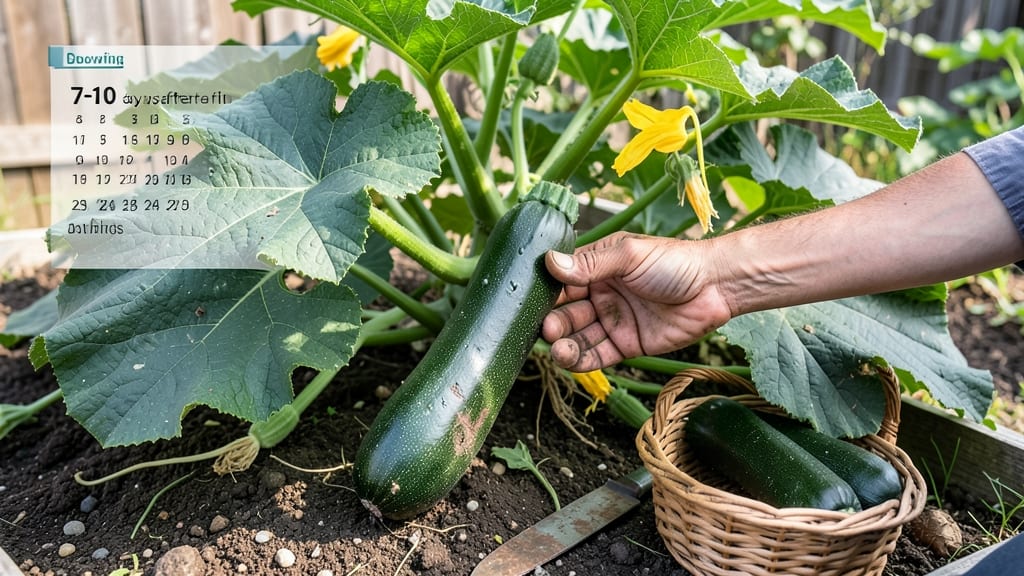
Harvesting zucchini from seed takes between 40 to 60 days, but the exact timeline depends on when you plant, your climate, and the variety you choose.
Picture this: you’ve just tucked those tiny zucchini seeds into the soil in early spring, dreaming of summer harvests. But here’s the catch—cool soil slows germination, while a heatwave can rush flowering, throwing off your whole schedule.
Timing isn’t just about days; it’s about the right conditions at the right moment.
Most zucchini varieties reach harvest in about 50 days, but early varieties like ‘Eight Ball’ can be ready in as little as 45 days, while larger types might take closer to 60 days.
In USDA Zone 6a, planting in April gives you the best shot at a summer harvest, but a late start could push your timeline into fall.
Below, I’ll break down the exact stages—from seed to sprout, flower to fruit—and share how to adjust your expectations based on your local climate, soil warmth, and even the time of day you water. You’ll know exactly when to check those vines for the perfect 6- to 8-inch zucchini.

Zucchini seed to harvest timeline: exact days by planting season
From the moment you drop a zucchini seed into warm soil until you're harvesting those glossy, 8-inch squash, the timeline varies dramatically based on planting season and local climate.
Most zucchini varieties take between 45-60 days to reach harvest, but cooler springs or late summer plantings can stretch this to 70 days or more. Understanding these stages helps you plan for continuous harvests all season long.
Your zucchini's growth journey starts with germination, which typically occurs in 5-10 days when soil temperatures stay above 60°F (15°C). After sprouting, the plant enters its vegetative growth phase (weeks 3-4), where it focuses on leaf and vine development.
This is when proper spacing and sunlight become critical for strong stems that can support future fruit.
🌱
| Stage | Spring Planting | Summer Planting | Fall Planting | Key Factors |
|---|---|---|---|---|
| Germination | 5-10 days | 3-7 days | 7-14 days | Soil temp 60°F+ |
| Seedling Stage | 14-21 days | 10-14 days | 21-28 days | Full sun 6+ hrs |
| Flowering | 28-35 days | 21-28 days | 35-42 days | Water 1-2" weekly |
| Fruiting | 35-50 days | 28-42 days | 42-60 days | Fertilize every 4 weeks |
| Harvest Window | July-Sept | Aug-Oct | Sept-Nov | 6-8" length |
| Total Days to Harvest | 45-60 days | 40-50 days | 55-70 days | Variety matters! |
Spring-planted zucchini often reach harvest earlier than summer plantings because cooler early-season temperatures slow initial growth, but the plants mature faster once established. For example, planting in mid-April (after frost) typically yields harvest-ready squash by late June, while summer plantings in July may not produce until September.
Fall plantings face the longest timeline due to shortening daylight and cooler nights.
Temperature plays a crucial role in accelerating or delaying your harvest. Zucchini thrive in 70-85°F (21-29°C) soil and air temperatures. When daytime highs exceed 90°F (32°C), growth slows, and flowers may drop off before pollination.
Conversely, nighttime temperatures below 55°F (13°C) can stunt growth entirely. In Zone 5 or colder, extend your season by using black plastic mulch to warm soil faster.
🌡️
Not all zucchini varieties follow the same timeline. Bush varieties like 'Eight Ball' mature in just 45 days, while vining types such as 'Black Beauty' take 55-60 days. Compact hybrids like 'Patio Star' are perfect for containers and reach harvest in 48 days.
Always check the seed packet for days-to-maturity estimates and adjust your planting schedule accordingly—especially if you're aiming for a continuous harvest throughout summer.
For gardeners in hot climates (Zones 8-10), fall plantings can be risky as zucchini may bolt or produce bitter fruit before harvest. Instead, opt for succession planting every 2-3 weeks from spring through early summer to maintain a steady supply.
In cooler regions, focus on early spring plantings and use row covers to protect young plants from late frosts.
🌿
Pro tip: Keep a planting journal to track your zucchini's progress. Note when flowers appear (signaling the start of the fruiting stage) and how long it takes for the first squash to form.
This helps you predict future harvests and adjust your watering and fertilizing schedule for optimal growth. With the right timing and care, you can enjoy fresh zucchini from your garden for 3-4 months straight
5 Key factors that speed up or delay zucchini harvest time
If you're wondering why your zucchini plants seem to take forever—or finish too fast—you're not alone. The zucchini seed to harvest timeline can vary by 2-3 weeks depending on just a few critical factors.
Understanding these will help you adjust your planting schedule and optimize growth conditions for a bountiful harvest.
From soil temperature to watering consistency, each element plays a role in how quickly your zucchini goes from seed to squash. Let’s break down the top 5 factors that either accelerate or delay your harvest time, so you can make data-driven adjustments this season.
- 🌡️ Soil Temperature: Zucchini seeds need 60°F+ soil to germinate. Below 55°F, germination slows by 50%. Use black plastic mulch to warm soil faster.
- ☀️ Sunlight Exposure: 6+ hours of direct sun speeds growth by 10-15 days. Partial shade can delay harvest by 2-3 weeks. South-facing beds get the fastest results.
- 💧 Watering Consistency: Drought stress halts growth. 1-2 inches of water weekly keeps vines thriving. Irregular watering can add 7-10 days to harvest time.
- 🌱 Fertilizer Use: Balanced 10-10-10 NPK at planting boosts early growth. Over-fertilizing with nitrogen delays fruiting. Side-dress with compost at flowering for faster maturation.
- 🌱 Variety Choice: Bush varieties (e.g., 'Eight Ball') mature in 45-50 days, while vining types (e.g., 'Black Beauty') take 55-60 days. Start with fast-maturing hybrids for quicker harvests.
Let’s dive deeper into how each of these factors interacts with your zucchini’s growth cycle. For example, soil temperature isn’t just about warm soil—it’s also about root development speed. Cooler soils mean slower root growth, which directly impacts the plant’s ability to absorb nutrients and water efficiently.
When it comes to sunlight exposure, think of it as the gas pedal for your zucchini plants. Even if you’re in a region with long summer days, shade from nearby trees or structures can trick the plant into slowing growth.
A simple trick? Plant your zucchini in the sunniest spot of your garden and avoid tall neighbors that cast shade.
Consistent watering is another game-changer. Zucchini plants are heavy drinkers, especially during flowering and fruiting stages. If you’ve ever let your garden go dry for a week, you’ve likely seen your zucchini growth stall.
Use a drip irrigation system or soaker hose to deliver water directly to the roots, keeping moisture levels steady.
Finally, don’t underestimate the power of fertilizer timing. While zucchini aren’t heavy feeders, they do need a steady supply of nutrients to produce fruit efficiently. Apply a balanced fertilizer at planting, then switch to a low-nitrogen, high-phosphorus formula when flowers appear. This shift encourages faster fruit development.
By mastering these 5 key factors, you’ll not only speed up your zucchini harvest but also maximize your yield. Start with soil warmth, then lock in sunlight, water, and nutrients—your garden (and your dinner table) will thank you! 🌱