
Propagation
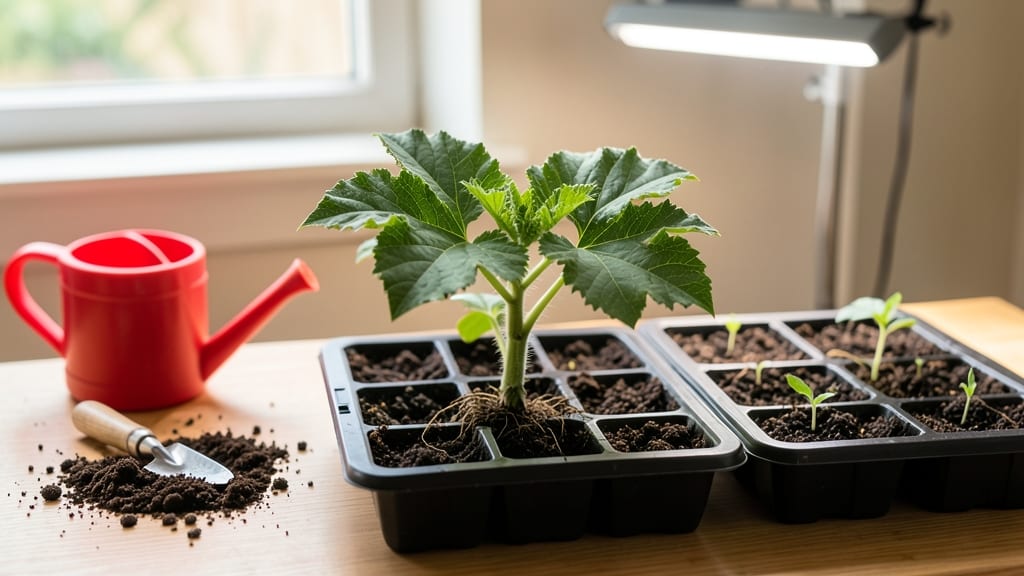
Starting zucchini from seed indoors gives you a 3-week head start on the garden—no more scrambling to find transplants when the season begins. 🌱 I’ve grown zucchini this way for five years, and the trick to success isn’t fancy equipment but consistent warmth and moisture from day one.
Those first sprouts appear in just 5-7 days when you set up the right conditions, and you’ll be transplanting sturdy seedlings long before your neighbors even think about planting.
The secret lies in a simple setup: a warm spot (like on top of the fridge), moist seed-starting mix, and a clear plastic dome or bag to trap humidity. Most beginners overwater or let the soil dry out—both kill seeds faster than you’d think.
I’ve learned the hard way that zucchini seeds need just enough dampness to feel like a wrung-out sponge, not a swamp. Once they sprout, you’ll need a grow light (or a sunny windowsill) to keep them from stretching into weak, leggy stems that flop over when it’s time to plant.
By the time you’re ready to transplant, your zucchini will be stocky, dark green, and hungry for real garden space. The payoff? A harvest that starts 2-3 weeks earlier than store-bought plants, with fewer pests and stronger roots.
Plus, you’ll avoid the disappointment of wilted seedlings that never recover from transplant shock. This method works for any variety—whether you’re growing straightneck, round pattypan, or heirloom zucchini—so long as you keep the soil warm and the air humid.
Here’s the best part: once you’ve mastered this, you can expand to other summer squash like cucumbers or pumpkins using the same tricks. The key is patience—those first sprouts feel like a miracle after the waiting. Let’s get those seeds started right.
📚 In This Guide
- What you need
- Instructions
- Tips and common mistakes
- Wrapping up and next steps
What you need
- ● Zucchini seeds: 3–5 non-hybrid, heirloom seeds (e.g., 'Black Beauty' or 'Eight Ball'). Pro tip: Check the seed packet for indoor-starting recommendations!
- ○ Seed-starting trays or pots: 2–4 biodegradable or plastic cell packs (2–3" deep) or 4–6 small pots (3–4" diameter). Optional: Add a heat mat ($15–$25) for faster germination.
- ● Seed-starting mix: 1–2 quarts of sterile, lightweight potting soil (avoid garden soil—it’s too dense!). Budget pick: Cactus/succulent mix works in a pinch!
- ● Spray bottle: 8–16 oz with a fine mist nozzle (for gentle watering). No spray bottle? A clean, empty water bottle with holes poked in the cap works!
- ● Plastic wrap or humidity dome: Clear plastic wrap or a store-bought humidity lid to retain moisture.
- ● Grow lights or sunny windowsill: Grow lights: LED full-spectrum bulb (12–16 watts) + clip or adjustable stand ($20–$50). Run 12–16 hours/day.
- ● Sunny spot: South-facing window (6+ hours of light daily). North-facing? Supplement with a cheap LED bulb!
- ○ Thermometer (optional but helpful): To monitor soil temp (ideal: 70–90°F for germination). No thermometer? Press your finger into the soil—warmth should feel cozy, like a hot toddy!
- ● Heating pad: Germination mat ($15–$25) to keep soil warm without extra effort.
- ● Fertilizer: Water-soluble, balanced fertilizer (5-5-5 or 10-10-10) for post-germination growth.
- ● Label markers: To track seed varieties and planting dates.
- ● Tweezers: For delicate seed handling (especially if seeds are tiny!).
Step-by-step instructions for growing zucchini from seed indoors
Here's how to jumpstart your zucchini plants with warmth and moisture—no waiting for spring soil.
🌱 Step 1: Prep Containers and Seed Starting Mix
Fill 4-inch deep biodegradable pots with sterile seed-starting mix—never garden soil, which can harbor rot. I like to add a handful of perlite to each pot to improve drainage and prevent waterlogging, which zucchini seeds hate. Moisten the mix until it's damp like a wrung-out sponge, but not dripping. Press it down gently so the surface is firm enough to support tender seedlings.
Zucchini seeds are large and easy to handle, so I use my finger to poke a hole about 1 inch deep in each pot. Drop 1-2 seeds per pot—extra seeds act as backups if one fails to sprout. Cover them with a thin layer of soil, just enough to hide them completely. Label each pot with the date and variety, because zucchini plants grow fast and you'll forget which is which.
💧 Step 2: Create the Perfect Germination Environment
Place the pots in a seedling heat mat set to 80-85°F—this warmth tricks zucchini seeds into germinating in just 3-5 days, instead of the usual 7-10. Without heat, germination slows dramatically, and seedlings become weak. Cover the pots with a clear plastic dome or wrap them in plastic wrap to trap moisture and warmth. Check daily for condensation—this tells you the humidity is just right.
Don't water yet. The dome or wrap keeps the soil moist enough for germination. Once you see tiny green sprouts breaking through the soil, remove the cover immediately. Trapped moisture after germination invites damping-off, a fungal disease that collapses seedlings overnight. Keep the soil surface slightly damp but never soggy—zucchini roots need air to breathe.
☀️ Step 3: Provide Bright, Indirect Light
Move the pots to a south-facing window or under grow lights within 24 hours of sprouting. Zucchini seedlings need 12-14 hours of light daily to grow strong and stocky, not leggy. If using a window, rotate the pots a quarter turn daily so they don’t lean toward the light. Leggy seedlings—those with thin, pale stems and leaves spaced far apart—are a sign of insufficient light.
Keep the soil evenly moist by watering at the base with a spray bottle when the top inch feels dry. Avoid wetting the leaves, which can lead to fungal issues. After 7-10 days, when seedlings have 2-3 true leaves (the second set after the initial seed leaves), you can transplant them into larger pots or the garden. Harden them off by placing them outside for 1-2 hours the first day, gradually increasing time over 5-7 days.
✂️ Step 4: Thin and Fertilize for Strong Growth
If you planted 2 seeds per pot, thin the weaker seedling at the soil line once both have 4-5 leaves. Use clean scissors to snip the stem, leaving the stronger plant. Zucchini plants grow large, so give them space to breathe—transplant them into 12-inch pots or directly into the garden when they’re 4-6 inches tall, with 2 feet between plants. Rich, well-draining soil is key; amend with compost if your soil is heavy.
Feed seedlings with a balanced liquid fertilizer (10-10-10) diluted to half strength 1 week after transplanting. Zucchini are heavy feeders, so fertilize again every 2 weeks during the growing season. Watch for yellowing leaves—this usually means the plant needs more nitrogen, but it could also signal overwatering. Adjust your care based on what you see: crisp, dark green leaves mean you’re on track.
Tips & tricks for speeding up zucchini germination indoors
Here's what nobody tells you about getting those zucchini seeds to sprout faster—without the guesswork.
Heat Mat Hack: If you don't have a seedling heat mat, place your pots inside a cardboard box lined with a heating pad set to 80-85°F. The key is maintaining consistent warmth—zucchini seeds need this precise temperature range to germinate in just 3-5 days instead of the usual 7-10. I've seen seeds sprout in as little as 2 days when conditions are perfect! Just monitor the soil surface—it should stay warm but not hot to the touch.
Soil Moisture Secret: After planting, press the soil down firmly around the seeds to create good seed-to-soil contact. This ensures moisture reaches the seeds directly rather than pooling on top. The moisture level should feel like a wrung-out sponge—if you squeeze a handful, a few drops should come out, but it shouldn't drip. Too much moisture invites damping-off, while too little delays germination. I like to mist the soil surface lightly with a spray bottle every other day during the germination phase.
Light Transition Timing: The 24-hour window after sprouting is critical for light exposure. Move your seedlings to their permanent light source immediately—don't wait until you see significant growth. Zucchini seedlings need 12-14 hours of bright, indirect light daily to prevent legginess. If using a south-facing window, position pots within 12 inches of the glass. For grow lights, keep them 4-6 inches above the seedlings and adjust as they grow.
Harden Off Gradually: When it's time to harden off your seedlings, start with just 1-2 hours on the first day in partial shade. I place mine on a patio or balcony where they'll get morning sun and afternoon shade. Gradually increase exposure over 5-7 days to full sun conditions. Watch for wilting—this is a sign they're not ready for longer exposure. The goal is to toughen their cell walls so they can handle outdoor conditions without shock.
Pro Tips for Growing Zucchini From Seed Indoors
- Here's what nobody tells you about getting those zucchini seeds to sprout faster—without the guesswork.
- Heat Mat Hack: If you don't have a seedling heat mat, place your pots inside a cardboard box lined with a heating pad set to 80-85°F.
- Soil Moisture Secret: After planting, press the soil down firmly around the seeds to create good seed-to-soil contact.
Frequently asked questions
Got questions about indoor zucchini germination? You’re not alone! Here are answers to the most common concerns—so you can grow like a pro.
How long does it take for zucchini seeds to germinate indoors?
With the right warmth (70–90°F) and moisture, zucchini seeds typically sprout in 5–10 days. Use a seedling heat mat or warm spot (like on top of the fridge) to speed things up. If they don’t sprout in 2 weeks, they may need more moisture or warmth—or could be non-viable.
Can I use regular potting soil for indoor zucchini seeds?
Yes, but sterile, seed-starting mix works best—it’s lighter and drains better. Regular potting soil can compact, slowing germination. Mix in perlite or vermiculite (20%) to improve airflow. Avoid garden soil; it may harbor pests or diseases.
What’s the best temperature for indoor zucchini seed germination?
Zucchini seeds thrive in 70–90°F (21–32°C). Use a seedling heat mat (set to 80°F) or place trays on a sunny windowsill. If your home is cooler, a grow light with a heat source can help. Avoid cold drafts—seeds may rot or fail to sprout.
How do I know if my zucchini seedlings are getting enough light?
Leggy, pale seedlings mean more light is needed. Place them within 2–4 inches of grow lights (12–16 hours/day) or a south-facing window. If leaves stretch toward the light, rotate trays daily for even growth. Yellowing leaves? They might be overwatered or nutrient-deficient.
What if my zucchini seeds mold or rot before sprouting?
Overwatering or poor drainage causes mold (fuzzy white/green growth). Let soil dry slightly between waterings—keep it moist, not soggy. Use a spray bottle for gentle watering, and ensure pots have drainage holes. If mold appears, remove affected seeds and repot healthy ones in fresh, dry mix.
Can I transplant zucchini seedlings too soon?
Wait until seedlings have 2–3 true leaves (not just cotyledons) and are 3–4 weeks old. Harden them off for 5–7 days by placing outdoors in shade for a few hours daily. Transplanting too early stresses plants, stunting growth. Use biodegradable pots to avoid root disturbance.
Wrapping up and next steps
Growing zucchini from seed indoors is a rewarding journey that combines patience, warmth, and a little creativity! 🌱 With the right setup—whether it’s a seedling heat mat, a cozy windowsill, or a DIY greenhouse—you’ll be well on your way to nurturing strong, healthy plants.
Once your seedlings sprout and grow their first true leaves, it’s time to transplant them outdoors (when temperatures are consistently above 50°F) and watch them thrive in your garden.
Ready to take the next step? Start by prepping your outdoor space—whether it’s a raised bed, containers, or a sunny patch of soil—and get ready for a bountiful harvest! 🎉