
Lawn
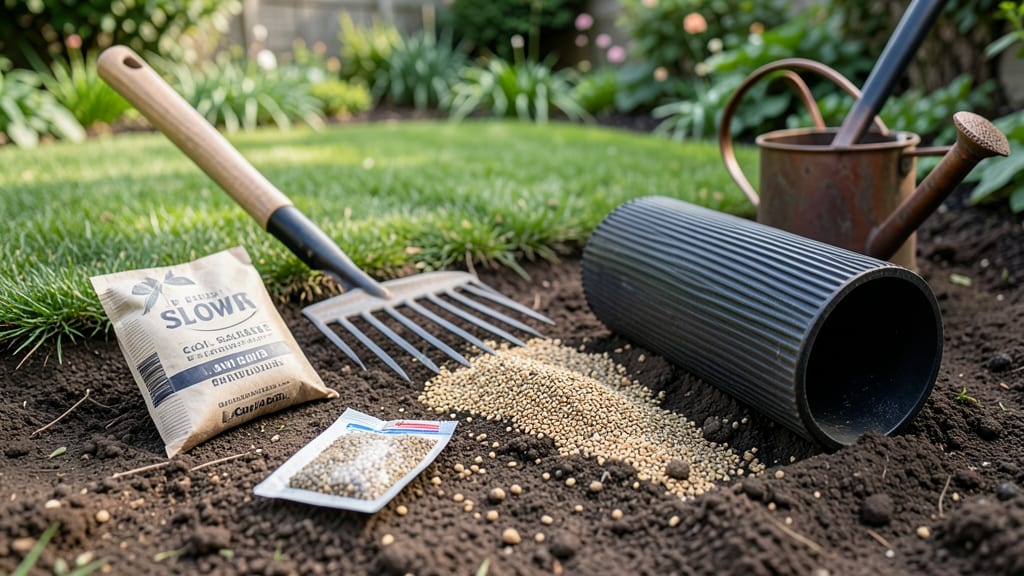
To seed and fertilize your lawn at the right time means the difference between a thick, green carpet and a patchy, struggling mess.
Struggling to decide whether to seed and fertilize your lawn in spring or fall? Timing is everything—get it wrong, and you’ll waste money on weak growth or missed opportunities for a lush, thick lawn.
In Zone 6, early spring (March–April) and early fall (September–October) are your best bets for seeding 🌱 because cooler temps and consistent moisture give grass roots the perfect start.
Below, I’ll break down the exact steps for prepping soil, choosing the right fertilizer, and aligning your schedule with your climate to ensure your lawn thrives—not just survives.
Best lawn seeding and fertilizing timing by season: spring vs. fall guide
Timing your lawn seeding and fertilizing is the difference between a thick, vibrant lawn and patchy, weak growth. Most gardeners assume spring is the only window, but fall seeding often yields better results in many climates.
The key lies in aligning these tasks with your local frost dates and grass type—cool-season grasses like Kentucky bluegrass thrive in early spring or fall, while warm-season grasses like Bermuda prefer late spring.
Your USDA hardiness zone plays a critical role. In zones 3-6, fall seeding (September-October) gives grass roots time to establish before winter, while spring seeding (March-April) should happen 4-6 weeks before last frost.
Southern zones (7+) can extend seeding into late fall or early spring, but avoid extreme heat or cold. Let’s break down the optimal windows and fertilizing schedules for each season.
Pro Tip: Always test your soil’s pH (6.0-7.0 ideal) and nutrient levels before seeding or fertilizing. A simple $20 soil test kit from your local garden center saves money by preventing over-fertilization or wasted seed.
Spring seeding gives your lawn a head start for summer, but fall seeding often results in thicker, deeper roots because cooler temperatures reduce stress on young grass. In northern climates (zones 3-5), focus on fall seeding—the 6-8 week window before frost lets grass establish roots before winter dormancy.
Southern zones (7+) can seed in late winter (February) to avoid summer heat stress.
Fertilizing follows a seasonal rhythm. In spring, prioritize high-nitrogen feeds (like 24-0-10) every 6-8 weeks to fuel new growth. Summer calls for light, frequent feeds to maintain color without burning grass.
The final fall feed (6-8 weeks before frost) is your lawn’s winter survival insurance—use a balanced fertilizer (12-12-12) to strengthen roots.
Regional tweaks matter. In Pacific Northwest (zone 7-9), seed in late summer (August) to avoid summer drought. In Midwest (zone 5), aim for September 15 seeding to ensure roots harden before November frost.
Always check your local frost dates—extension offices or Almanac’s Frost Calculator are free tools to plan around.
Don’t overlook weather forecasts. Seed when 5-day forecasts predict consistent moisture (no rain for 24+ hours after seeding). Use a light straw mulch to retain soil moisture until germination. For fertilizing, apply in the early morning to avoid leaf burn from afternoon sun.
One common mistake? Skipping soil prep. Before seeding, aerate compacted soil and rake away debris. For fertilizing, water deeply (1-1.5 inches)
Step-by-step prep for seeding and fertilizing: soil tests, weather checks, and equipment needs
Before you even think about spreading seed or fertilizer, your lawn needs a solid foundation. Skipping prep steps like soil testing or aeration can leave your grass struggling to establish roots, no matter how perfect your timing is.
I’ve found that the best-laid lawn plans fail when homeowners rush this phase. A pH test (aim for 6.0–7.0) and a quick check of your local weather forecast can save you from wasting seed or fertilizer on poor conditions.
Here’s my foolproof checklist to get your lawn ready for seeding and fertilizing—no guesswork, just results.
- 1 Test Soil pH – Use a soil test kit (available at garden centers) to check pH. If it’s below 6.0, add lime; if above 7.0, use sulfur to adjust.
- 2 Aerate Compacted Soil – Rent a core aerator to create ½-inch holes every 2–3 inches. This helps roots penetrate deeper and improves water absorption.
- 3 Adjust Mower Height – Raise your mower blade to 3 inches before seeding. Taller grass shades out weeds and retains moisture better.
- 4 Check Weather Forecast – Aim for 5–7 days of dry weather after seeding. Use the National Weather Service app to track rain predictions.
- 5 Gather Equipment – You’ll need a broadcast spreader for seed, a drop spreader for fertilizer, and a garden rake to cover seeds lightly.
- 6 Fertilize at the Right Time – Apply a starter fertilizer (high in phosphorus) right after seeding. For established lawns, fertilize in early spring and early fall with a slow-release nitrogen blend.
Pro tip: If your soil is sandy, mix in compost before seeding to improve moisture retention. For clay-heavy soil, add peat moss to loosen it up.
Once you’ve checked these boxes, you’re ready to seed and fertilize with confidence. Just remember: patience is key—new grass needs 4–6 weeks to establish before heavy foot traffic.
Now grab your tools and get to work—your dream lawn starts here! 🌱