
Lawn
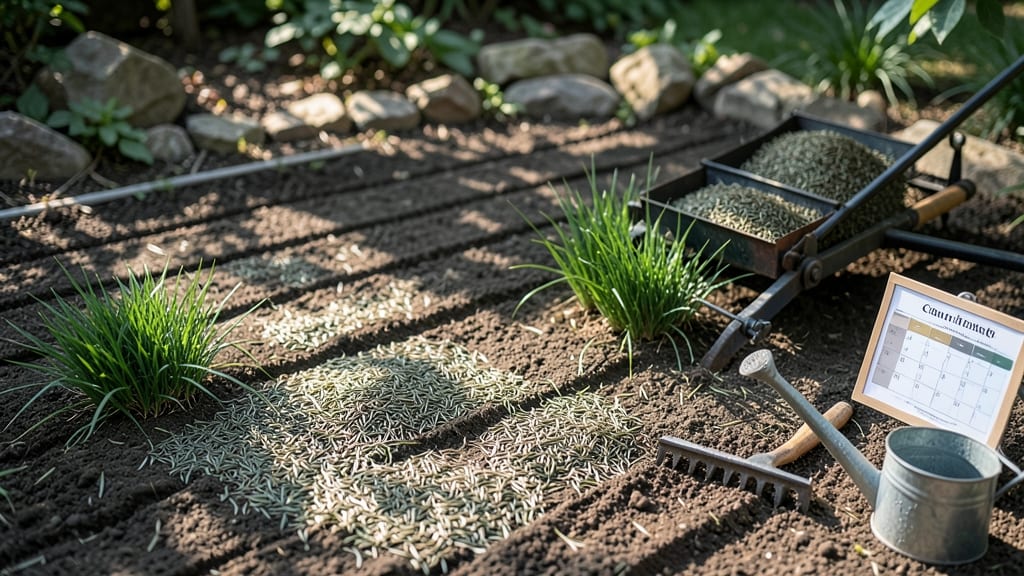
Planting lawn seed in the fall gives your grass 4-6 weeks to grow strong roots before winter—just enough time to outpace weeds and beat the frost.
Picture this: You’ve spent the summer battling crabgrass and thin patches, only to realize the real secret to a thick lawn starts in September. Too early, and your seed rots in the heat; too late, and frost locks it out before roots take hold.
The difference between a patchy lawn and a lush one often comes down to those 6 weeks of perfect timing.
In USDA Zone 6 (the default for most of the U.S.), that window runs from mid-August to early October—just before the ground freezes. But if you’re in the Pacific Northwest or the Deep South, your deadlines shift.
I’ll break down the exact dates for your zone, plus how to prep your soil and pick the right seed so your lawn doesn’t just survive winter—it thrives when spring rolls around.
You’ll learn how to read your local frost dates, the 3 critical steps before seeding, and why skipping this season means paying double next year. Let’s get that grass growing.
Fall lawn seed planting deadlines by USDA hardiness zones
Timing your fall lawn seed planting is everything—plant too early, and weeds steal the show; too late, and frost stunts root growth. The 4-6 week window before first frost gives grass seedlings time to establish deep roots before winter dormancy.
But this window shifts dramatically across USDA hardiness zones, from the frigid north to the mild south.
In Zone 3 (think Minnesota or Vermont), you’ve got just a 6-week window from mid-August to early October to plant. Meanwhile, in Zone 10 (like Southern California or Florida), you can stretch your planting into late November—thanks to those rare frosts.
Regional microclimates add another layer: Pacific Northwest zones stay wetter longer, while Midwestern zones dry out faster in fall.
Here’s the color-coded zone-by-zone breakdown of your planting deadlines, plus regional tweaks to avoid common mistakes. Use this as your fall lawn planting calendar to maximize success.
For Zone 3-4 gardeners, I recommend starting seeds indoors in late July if your soil stays cold. In Zone 5-6, aim for September 1st—this gives cool-season grasses like Kentucky Bluegrass enough time to root before winter.
Meanwhile, Zone 7-8 can stretch planting into October, but watch for early frosts in mountain regions.
In Zone 9-10, where winters are mild, you can even plant into November. But avoid planting after December 1st—seedlings won’t survive the rare frosts. Pro tip: Test soil moisture before planting; dry spells in late fall can delay germination.
If your area gets frequent rains (like the Pacific Northwest), plant 2-3 weeks earlier to prevent seed rot.
One common mistake? Planting too late in Zone 3 or too early in Zone 10. In cold zones, late planting means shallow roots before frost. In warm zones, early planting can trigger dormancy too soon. Always check your local frost dates—they can vary 1-2 weeks from USDA averages.
For Pacific Northwest zones (7-9), account for cooler coastal vs. warmer inland microclimates. Coastal areas (like Seattle) can plant 2 weeks later than inland spots (like Spokane). Similarly, Midwest zones (5-6) should plant earlier in northern areas (like Chicago) than southern ones (like St. Louis).
Use this zone-specific timeline as your guide, but always adjust for local weather patterns. If your area had an early frost last year, plant 2 weeks earlier this fall. And remember: Cooler soil temps (50-65°F) in fall actually help reduce weed competition—one of fall planting’s biggest perks!
Finally, water deeply after planting to encourage root growth before frost. In dry climates (like Zone 10), this means daily watering for 2 weeks. In wet climates (like Zone 7 PNW), reduce to every other day to avoid waterlogging.
Timing your lawn seed right isn’t just about dates—it’s about understanding your local climate.
How to choose the right grass seed for fall planting
Fall is the ideal window to plant cool-season grasses, but selecting the wrong type can mean wasted seed or patchy growth.
The key is matching your USDA hardiness zone with the right grass variety—Kentucky Bluegrass thrives in northern climates, while Tall Fescue handles heat and drought better in southern regions. Your choice directly impacts how well your lawn survives winter and revives in spring.
Cool-season grasses dominate fall planting because they establish roots in 60-70°F soil before winter dormancy. Warm-season varieties like Bermuda grass or Zoysia should wait for spring—planting them in fall risks poor germination before frost. Always check the seed packet for "fall planting recommended" labels to avoid costly mistakes.
⚖️ Cool-Season vs. Warm-Season Grasses for Fall
- Best for: Zones 2-8
- Top Picks: Kentucky Bluegrass, Tall Fescue, Ryegrass
- Pros: Germinates fast in cool soil, drought-tolerant once established
- Cons: Goes dormant in summer heat, needs frequent mowing
- Best for: Zones 7-10
- Top Picks: Bermuda, Zoysia, St. Augustine
- Pros: Thrives in summer heat, low maintenance
- Cons: Struggles in cold climates, slow fall germination
For northern climates (Zones 3-6), Kentucky Bluegrass is my top recommendation—it spreads aggressively to fill bare spots and recovers quickly from foot traffic. Mix it with Fine Fescue (20-30% of the blend) for shade tolerance and drought resistance.
In Zones 7-9, Tall Fescue outperforms Kentucky Bluegrass, handling heat and traffic better while still germinating well in fall.
If your lawn gets heavy shade (less than 4 hours of sun), opt for Shade-Tolerant Tall Fescue or Creeping Red Fescue. These varieties grow slower but outcompete weeds in low-light conditions. Avoid Perennial Ryegrass for full shade—it germinates fast but struggles to maintain color once established.
Pro tip: Read the seed label’s "recommended planting window"—some blends specify "early fall" (August-September) for northern regions, while others say "late fall" (October-November) for milder southern climates. Overlooking this can delay root growth and weaken your lawn before winter.
Once you’ve picked your seed, test your soil’s pH (6.0-7.0 ideal) and amend with lime if needed. Cool-season grasses prefer slightly acidic soil, and a phosphorus-rich starter fertilizer (like 5-10-10) gives roots a growth boost before dormancy. Skip nitrogen-heavy fertilizers—too much now can burn tender new seedlings.
Remember: The right seed for your zone + proper timing = a lawn that outperforms weeds and survives winter. Start with a small test patch if you’re unsure—your wallet (and lawn) will thank you. 🌱