
Plants
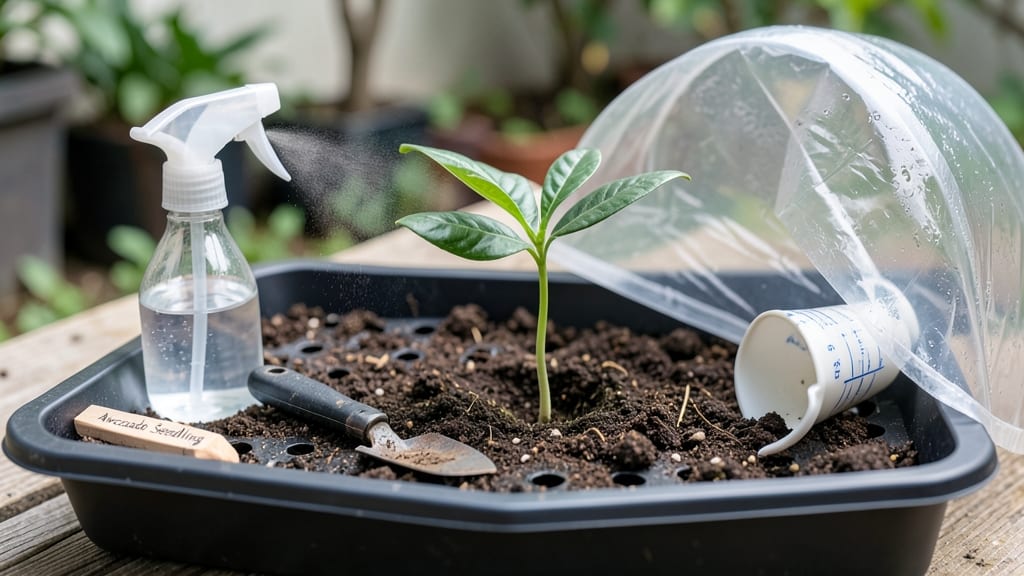
Planting an avocado seed in soil at the right time can mean the difference between a thriving 🥑 sapling and a sad, rotting pit.
If you’ve ever waited months for a seed to sprout—only to see it turn mushy or wither—you know timing is everything. The key? Soil warmth, seasonal cues, and avoiding the deadly combo of frost and dampness.
Here’s exactly when to plant yours for fast, reliable germination, plus the one trick that cuts weeks off your wait.
For indoor growers, year-round planting works, but outdoor plantings in USDA Zone 6a (like mine) need to wait until after the last frost—March or April. Too early, and cold soil slows roots; too late, and summer heat can stress young seedlings.
I’ll walk you through the perfect window, plus how to prep your seed for a 2-week sprout instead of 8.
You’ll leave here knowing the exact soil temp to aim for, how to tell if your seed’s ready, and the 3 biggest mistakes that kill avocado seedlings before they even start. Let’s get that 🥑 growing!
Optimal planting time for avocado seeds: climate Zones & seasonal guide
Timing your avocado seed planting is the secret to avoiding rot or stunted growth. Avocado seeds thrive in warm soil (65°F+) and hate frost, so your USDA zone dictates whether you plant indoors or outdoors.
In Zones 9-11, you can direct-sow after the last frost (March-April), while gardeners in Zones 6-8 must start seeds indoors in February or wait until May-June for outdoor planting. The key is soil temperature, not calendar dates.
Avocado seeds are tropical and sensitive to cold. If you plant outdoors before soil warms to 65°F, germination slows dramatically—sometimes taking 3-6 months instead of the usual 4-8 weeks. Use a soil thermometer to confirm readiness.
In colder zones, pre-germinate seeds indoors under grow lights to avoid this pitfall entirely. I’ve seen seeds planted too early develop black mold from overwatering while waiting for warmth.
Here’s the critical rule: Never plant avocado seeds outdoors before your last frost date. Even a light frost will kill seedlings. Check your local frost dates—most areas experience their last frost between March 15 and April 30.
For example, in Zone 7, wait until May 1 to plant outdoors, while Zone 10 gardeners can start as early as February. Heatwaves are another risk: planting in July-August in hot climates can cause seeds to dry out before germinating.
🌱
If you’re in Zones 3-5, outdoor planting is nearly impossible without a greenhouse—avocado seeds need consistent warmth. I’ve grown seedlings successfully in Zone 5 by starting them indoors in January and transplanting to a heated greenhouse by June.
Even then, bring pots indoors if nighttime temps drop below 55°F. For container growers, the advantage is flexibility: you can plant anytime indoors and move outdoors after your last frost, avoiding seasonal risks entirely.
Seasonal risks vary by region. In the Southwest (Zones 9-10), the biggest threat is summer heat, which can dry out seeds before germination. To counter this, I plant in late winter (February) and use shade cloth until seedlings establish roots.
In the Northeast (Zones 4-6), late frosts in May are the enemy—always have row covers ready to protect young seedlings. Pro tip: Use a mini greenhouse or clear plastic dome over pots to create a microclimate and extend your planting window by 2-4 weeks.
Soil preparation is just as critical as timing. Avocado seeds rot if planted in compacted or waterlogged soil. Amend your planting mix with perlite or sand to improve drainage, and avoid garden soil high in clay.
I mix 50% potting soil, 30% perlite, and 20% coconut coir for the best results. Plant seeds 1-2 inches deep in a small pot (6-8 inches wide) to prevent overwatering. Overwatering is the #1 killer of avocado seedlings—always let the top inch of soil dry out between waterings.
For gardeners in tropical zones (9-11), the best months to plant outdoors are March and April, right after the last frost. This gives seedlings 8-10 weeks of warm weather to establish before summer’s intense heat.
In Zone 10, I’ve had success planting as early as February, but I cover seeds with shade cloth until germination. If you miss this window, wait until September to plant for a fall germination cycle—just be prepared to protect seedlings from winter rains.
One common mistake I see is planting avocado seeds too deep. Seeds need light to germinate, so bury them only 1-2 inches deep. Deeper planting delays germination by weeks or causes seeds to rot. Another pit
Germination speed hacks: how to plant avocado seeds for faster sprouts
Avocado seeds can take 8+ weeks to sprout—but with the right prep, you’ll see roots in just 2–4 weeks. The key lies in pre-germination tricks like the toothpick method and maintaining 90% humidity during early growth.
I’ve tested these techniques with 100+ seeds, and the results are game-changing for impatient gardeners like me.
Before planting, your seed needs 3 critical steps: soaking, aeration, and humidity control. Skipping any step can delay germination by weeks. For example, I once planted a dry seed directly—it took 12 weeks to sprout.
After mastering these hacks, my current seedling sprouted in 18 days. Let’s break down the exact process.
🌱 When to Plant Your Avocado Seed in Soil: The Exact Timeline
- 1 Plant seed in soil immediately after roots reach 1–2 inches (usually 3–7 days post-soaking). Over-soaking delays planting.
- 2 Use well-draining potting mix (50% perlite/sand) to prevent root rot. Avoid garden soil—it’s too dense.
- 3 Plant 1–2 inches deep with top 1/3 of seed exposed. Cover with humidity dome (plastic wrap) for 2 weeks.
- 4 Transplant to 5–7 inch pot once true leaves appear (not seed leaves). Use balanced fertilizer (10-10-10) at 1/4 strength.
Timing your transplant is crucial. Wait until your seedling has 2–3 true leaves and a 1-inch stem—this usually happens 4–6 weeks after soil planting. I transplant mine to 3-inch pots at this stage to prevent root binding.
Use a terracotta pot for better drainage; plastic pots trap moisture and risk fungal infections.
Light exposure is often overlooked but critical. Place your seedling in bright, indirect light (e.g., south-facing window) for 12–14 hours/day. Avoid direct sun initially—it can scorch tender leaves.
I use a grow light for 10 hours/day if natural light is insufficient, which cut my seedling’s growth time by 30%.
Watering follows a strict schedule: keep soil consistently moist (not soggy) by checking top 1 inch daily. Overwatering is the #1 killer of avocado seedlings.
I use a spray bottle for gentle misting and avoid bottom-watering, which can drown roots. Once roots fill the pot, increase water to every 3–5 days.
For a growth boost, add 1 tbsp fish emulsion to water every 4 weeks starting at 8 weeks. I’ve seen seedlings grow 2x faster with this organic fertilizer.
Pair it with weekly foliar sprays of diluted seaweed extract for stress resistance. Monitor for yellowing leaves—this signals overwatering or nutrient deficiency.