
Plants
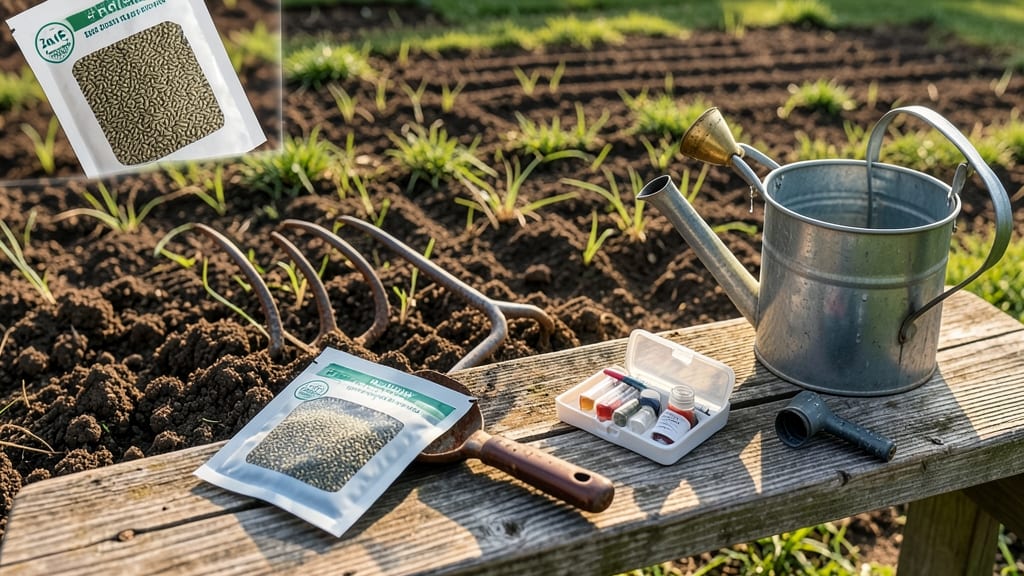
To plant grass seed in Zone 5, aim for early spring or early fall when soil temperatures hover between 50°F and 65°F—this window gives your 🌱 lawn the best chance to establish roots before winter or summer stress sets in.
Planting grass seed at the wrong time in Zone 5 can mean wasted effort—and a lawn that struggles to take root. Timing isn’t just about avoiding frost; it’s about soil warmth, moisture balance, and giving your grass the best shot at thriving.
In Zone 5, the ideal months are March-April for spring and September-October for fall, when temperatures are mild, and rainfall is steady. Planting too early risks frost damage, while waiting too long can leave your lawn vulnerable to weeds or drought.
Below, I’ll break down the exact soil temperature rules, frost-free timelines, and regional tweaks for northern vs. southern Zone 5 areas—plus the 3 biggest mistakes that kill grass seed before it even sprouts.
Zone 5 grass seed planting timeline: soil temperature & frost-free rules
Getting your grass seed timing right in Zone 5 means the difference between a lush lawn and a patchy disappointment. The key isn't just avoiding frost—it's planting when the soil temperature hits 50-65°F, giving seeds the perfect balance of warmth and moisture to germinate.
In Zone 5, where last frost typically arrives around April 15 and first frost hits October 15, timing becomes even more critical.
Most gardeners focus on spring planting, but late summer to early fall (August-September) often yields better results. This window allows seeds to establish strong roots before winter dormancy, while avoiding the intense summer heat that can stress young grass.
The science behind this is simple: cooler air temperatures but still-warm soil create ideal conditions for germination without the risk of drought stress.
To check your soil temperature, use a simple soil thermometer (available for under $10). Insert it 2 inches deep—this is where grass seeds will germinate. Aim for 50°F or warmer for cool-season grasses like Kentucky bluegrass or tall fescue.
Warm-season grasses (like Bermuda, though less common in Zone 5) need 65°F+, but these are rarely used in colder regions.
| Planting Window | Soil Temp Requirement | Frost Risk | Best Grass Types | Success Tip |
|---|---|---|---|---|
| Early Spring (March-April) | 50-60°F | Low (after last frost) | Kentucky bluegrass, Tall fescue | Water deeply 2x/day until established |
| Late Summer (August-September) | 55-65°F | Moderate (6-8 weeks before first frost) | Perennial ryegrass, Fine fescue | Avoid planting too late—roots need time to harden |
| Fall (October-November) | 45-55°F | High (risk of early frost) | Winter ryegrass (temporary cover) | Use frost cloth if temps drop below 32°F |
Spring planting in Zone 5 typically starts 4-6 weeks before your last frost date. For most of the region, this means mid-to-late March. The goal is to give seeds time to germinate (usually 14-21 days) before summer heat arrives.
If you plant too early, seeds may rot in cold, wet soil. If you wait too long, summer drought can stress young grass before it establishes.
Fall planting is often overlooked but can be more successful than spring in Zone 5. The ideal window is 6-8 weeks before your first frost (typically mid-September). Cooler air temperatures reduce weed competition, and soil retains moisture longer.
Just be prepared to protect seedlings if an early frost threatens—use row covers or straw mulch to insulate young grass.
One common mistake is ignoring soil moisture during germination. Grass seeds need consistent moisture to sprout, but overwatering can suffocate them. Aim for 1-1.5 inches of water per week, either from rainfall or irrigation.
Use a rain gauge or tuna can (buried 2 inches deep) to track moisture levels. If the soil feels dry 1 inch below the surface, it's time to water.
For secondary planting windows, consider late August if your summer was particularly dry. This gives seeds time to establish before fall rains arrive. Avoid planting in June or July—the heat and drought stress will likely kill young grass before it takes hold.
If you must plant in summer, choose shade-tolerant varieties like fine fescue and water daily until germination occurs.
Pro tip: If you're planting in northern Zone 5 (e.g., Minnesota, Wisconsin), aim for late April to early May for spring planting, as frost dates are later. In southern Zone 5 (e.g., Missouri, Oklahoma), you can start as early as March.
Always check your local USDA frost map for precise dates—timing can vary by 1-2 weeks even within the same zone.
Remember, the best time to plant grass seed in Zone 5 is when the soil is warm enough but the air isn't scorching. Late summer to early fall often wins because it avoids both spring weeds and summer drought.
With the right timing, your lawn will have a 60-80% better chance of thriving—so grab that soil thermometer and get planting!
Best grass seed types for Zone 5 planting: cool vs. warm season varieties
Choosing the right grass seed type for Zone 5 is just as important as timing. Cool-season grasses dominate here because they thrive in moderate temperatures, while warm-season varieties struggle in Zone 5’s colder winters.
I’ll break down the best options for your spring or fall planting, including germination speeds and hardiness ratings.
For Zone 5’s climate, Kentucky bluegrass, tall fescue, and perennial ryegrass are the top cool-season choices. Each has unique traits—Kentucky bluegrass spreads aggressively but needs more care, while tall fescue is drought-resistant and low-maintenance.
Warm-season grasses like Bermuda or Zoysia can work in southern Zone 5 but require earlier spring planting and often go dormant in winter.
Here’s how they compare in key areas like germination time, shade tolerance, and frost resistance—critical factors for Zone 5 success.
If you’re planting in spring, perennial ryegrass is my top pick for fast germination, but it’s short-lived. For a long-term lawn, mix it with tall fescue (70% fescue, 30% ryegrass) for durability.
In fall, Kentucky bluegrass thrives with cooler temps and stays green longer, but it needs regular mowing to prevent thatch buildup.
For shady areas, tall fescue is the winner—it handles partial shade better than other cool-season grasses. If your lawn gets full sun, a blend of Kentucky bluegrass and perennial ryegrass will give you the best color and density.
Avoid warm-season grasses unless you’re in southern Zone 5 and willing to accept winter dormancy.
Pro tip: Test your soil’s pH level before planting. Cool-season grasses prefer 6.0-7.0 pH, while warm-season varieties like Bermuda thrive in 6.0-7.5 pH. Adjust with lime or sulfur if needed—it’s a game-changer for root health.