
Plants
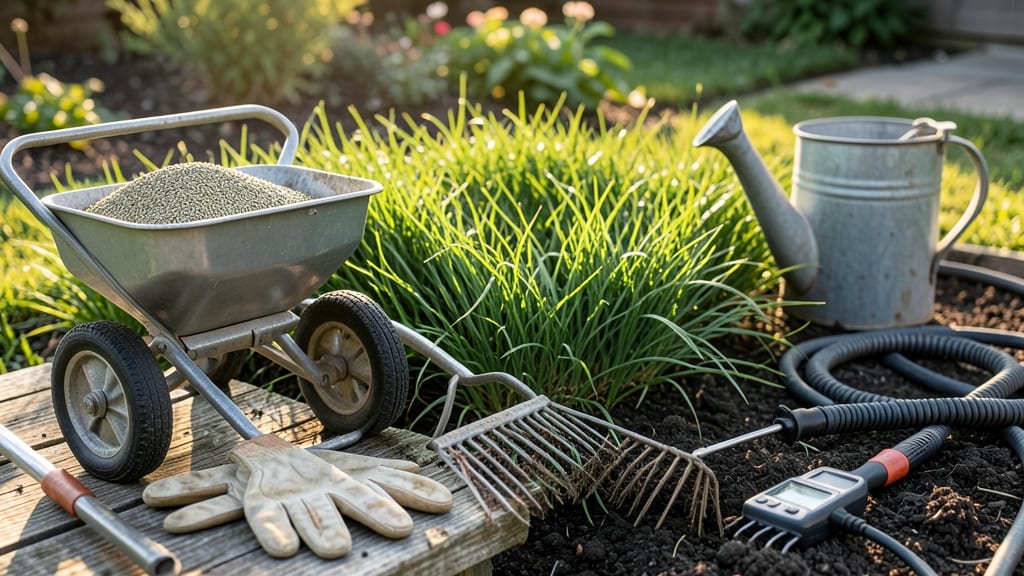
Planting grass seed in Utah requires precise timing to beat the desert’s heat, drought, and unpredictable frost—aim for early fall or late spring when soil temps sit between 60°F and 75°F.
Utah’s unique climate—from high deserts to mountainous regions—can make timing your grass seed planting a real challenge. Plant too early or late, and your lawn could struggle with heat, drought, or frost, leaving you with patchy results instead of a lush green carpet.
Cool-season grasses like Kentucky Bluegrass and Fescue thrive when planted in September or October, giving roots time to establish before winter dormancy. Meanwhile, elevation plays a huge role: Wasatch Front yards may wait until early April, while Southern Utah’s lower elevations can start as early as March.
Below, I break down the exact windows by region, soil prep secrets for Utah’s dry conditions, and how to pick drought-resistant varieties that won’t wilt under the state’s intense sun.
Best months to plant grass seed in Utah’s cool-season window
Utah’s cool-season grasses thrive when planted during the ideal window—early fall offers perfect conditions for root establishment before winter dormancy. The September to October period is critical, as daytime temperatures remain warm enough for germination while nights cool down, reducing stress on young seedlings.
This timing allows grass roots to develop 4-6 weeks before frost, ensuring they’re strong enough to survive Utah’s harsh winters. Missing this window risks weak growth, drought stress, or winter kill—especially in Utah’s micro-climates like the Wasatch Front versus Southern Utah’s desert regions.
For Wasatch Front areas (e.g., Salt Lake City), aim for mid-September to early October, when soil temps hover around 60-75°F. In Southern Utah (e.g., St. George), extend planting to late September due to later frost dates and hotter soils.
If you miss the fall window, early spring (March-April) is your next best option—but act fast. Spring planting risks drought stress as temperatures rise, while late fall plantings may not establish roots before winter.
Soil temperature is your best guide: Use a soil thermometer to confirm temps are 55-75°F at 4" depth. Utah’s USDA Zones 5-7 mean frost dates vary wildly—lower elevations (e.g., Provo) can plant 2 weeks earlier than high desert areas (e.g., Moab).
Here’s a quick reference for Utah’s cool-season grass planting by region, including seed selection and care adjustments:
For late plantings (after October), choose cold-hardy varieties like Tall Fescue or Creeping Red Fescue, which tolerate Utah’s early frosts. Always test soil moisture—dry conditions can delay germination by 3-5 days.
After planting, water deeply 2x daily for the first 2 weeks to keep soil moist but not soggy. Utah’s low humidity and strong winds (especially in open areas) increase evaporation, so mulch lightly with straw to retain moisture.
Monitor for weed competition, which peaks in Utah’s spring and fall. Pre-emergent herbicides can help, but apply them 2 weeks after planting to avoid harming young grass. Adjust your mowing height to 3-4 inches to shade roots and reduce stress.
By following these Utah-specific guidelines, your grass seed will establish a deep root system before winter, giving you a lush, resilient lawn come spring. Don’t wait—early fall is your best shot for success! 🌱
How Utah’s elevation zones affect grass seed planting timing
Utah’s dramatic elevation changes—from 3,000 feet in the valleys to over 7,000 feet in the mountains—create wildly different planting conditions for grass seed. At lower elevations, soil warms faster in spring, while higher altitudes stay cooler longer, delaying germination.
This means a Wasatch Front lawn might thrive with September planting, while a high-desert yard needs to wait until late May. Understanding these zones helps you avoid frost damage or heat stress in your new lawn.
Key factors to consider include frost-free dates, soil temperature thresholds (ideal: 60–75°F), and grass type suitability. For example, Kentucky Bluegrass struggles above 6,000 feet, while Tall Fescue thrives in cooler, higher elevations.
Let’s break down how to adjust your planting timeline based on where you live in Utah.
For low-elevation zones (3,000–4,500 ft), like Salt Lake City or Provo, aim to plant grass seed in early spring (March–April) or early fall (September–October). These areas experience warmer soils faster, allowing seeds to germinate quickly.
If you miss the fall window, avoid planting after October 15, as frost can kill tender seedlings. Kentucky Bluegrass and Perennial Ryegrass are top choices here due to their heat tolerance and fast establishment.
At mid-elevation (4,500–6,000 ft), such as Park City or Heber Valley, your planting window shifts slightly later. April–May or August–September are ideal to avoid late spring frosts or summer drought stress. Tall Fescue and Fine Fescue are better suited here—they handle cooler soils and drier conditions than Kentucky Bluegrass.
Test your soil temperature with a soil thermometer; wait until it consistently hits 55–70°F before planting.
In high-elevation zones (6,000+ ft), like Ogden or Logan, your growing season is shorter, so late May–June or July–August are your best bets. Creeping Red Fescue and Alpine Bluegrass are hardy options that thrive in cooler, drier climates.
These grasses establish slowly but outperform others in high-altitude stress. Always water deeply after planting—high-elevation air is drier, and seeds need extra moisture to germinate.
Pro tip: If you’re unsure about your elevation’s last frost date, check the Utah Climate Center’s frost maps or ask your local cooperative extension office.
They can provide hyper-local advice tailored to your specific microclimate. With the right timing, you’ll have a thick, green lawn that outlasts Utah’s unpredictable weather! 🌱