
Planting
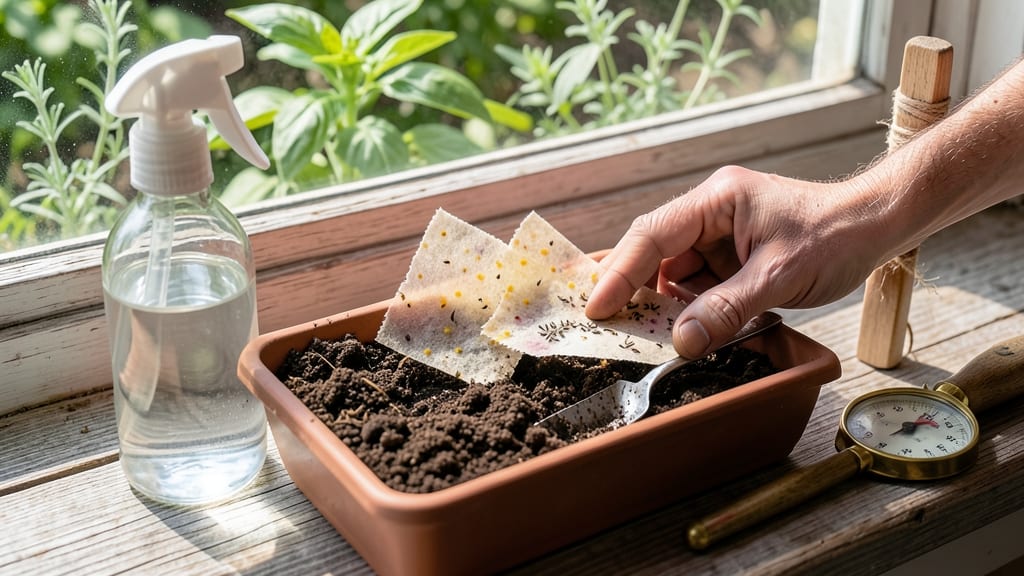
Planting wildflower seed paper turns any bare spot into a pollinator paradise with zero mess. 🌸 The secret lies in its three-layer design—seeds embedded between biodegradable paper, designed to dissolve naturally while protecting delicate blooms.
I’ve planted mine in everything from cracked concrete to garden edges, and the results never disappoint: vibrant blooms by early summer with almost no effort.
Start by choosing your spot—wildflowers thrive in full sun but tolerate partial shade, making them perfect for urban patches or garden edges. Scratch the surface soil lightly with a rake or your fingers to create a rough bed for the paper.
Then, simply lay the seed paper flat, pressing gently to ensure contact with the soil. The paper’s built-in nutrients give seedlings a head start, so you won’t need fertilizer for months.
Watering is the only crucial step: keep the soil consistently moist for the first 2-3 weeks—just like nurturing a houseplant. After that, wildflowers are drought-tolerant, but established plants reward you with months of blooms and a buzzing ecosystem.
The paper dissolves completely within 4-6 weeks, leaving only happy roots and emerging greenery.
Pro tip: Plant in late spring or early fall to avoid peak weed competition. If birds or squirrels steal your seeds, try pinning the paper temporarily with landscape staples. Once established, these low-maintenance blooms spread naturally, creating a self-sustaining meadow that thrives with minimal care.
📚 In This Guide
- What you need
- Instructions
- Tips and common mistakes
- Wrapping up and next steps
What you need
- ● Wildflower seed paper: Choose a size that fits your space (e.g., 4"x6" sheets for small gardens, 8"x10" for larger areas). Opt for native wildflower blends for the best local results.
- ● Water: A spray bottle (for gentle hydration) or a watering can (for larger areas). Aim for 1-2 cups per sheet when soaking.
- ● Gardening gloves: A pair to protect your hands while handling soil and seeds.
- ● Garden soil or compost: Lightweight, well-draining soil (avoid heavy clay). A 2-3 inch layer is ideal for planting.
- ● Garden trowel or small shovel: For loosening soil and creating planting pockets.
- ○ Optional mulch or straw: A thin layer to retain moisture and suppress weeds (especially useful in hot climates).
- ● Seedling trays or biodegradable pots: If you want to pre-sprout your seed paper indoors before transplanting.
- ● Organic fertilizer: A slow-release granular fertilizer (like 10-10-10) to give your wildflowers a nutrient boost.
- ● Pebbles or decorative stones: For a polished look once your flowers bloom.
- ● Sunlight tracker or garden journal: To monitor blooming progress and track which flowers thrive best in your area.
How to plant wildflower seed paper: eco-friendly blooms in 3 layers
Here’s how to transform seed paper into vibrant wildflower patches—no digging required.
🌱 Step 1: Choose the Perfect Planting Location
Select a spot with 6+ hours of sunlight daily and well-draining soil. Wildflowers thrive in open areas where they won’t compete with established plants. Avoid spots with dense grass or heavy foot traffic—those areas will smother your seeds before they sprout.
If planting in a garden bed, loosen the top 1 inch of soil with a rake to create a rough, textured surface. This helps the seed paper break down faster and ensures good seed-to-soil contact. For containers, use a shallow tray with drainage holes—wildflower seed paper works beautifully in window boxes or hanging baskets.
💧 Step 2: Prepare the Seed Paper for Planting
Water the seed paper lightly with a spray bottle until it feels damp but not soggy. This activates the seeds and helps the paper adhere to the soil. If planting in dry conditions, soak the paper for 5-10 minutes in a shallow tray of water before placing it in the ground. The paper should soften but not disintegrate—it needs to hold together long enough to protect the seeds.
For extra security, especially in windy areas, lightly press the edges of the seed paper into the soil. You don’t need to bury it—just ensure it makes full contact with the ground. If planting in a container, place the paper on top of the soil and gently press it down to prevent shifting.
☀️ Step 3: Plant and Monitor for Germination
Lay the seed paper flat on the prepared soil, smoothing out any wrinkles. For larger areas, overlap sheets slightly to avoid bare spots. Once in place, water the entire area gently but thoroughly—aim for 1 inch of moisture in the top layer of soil. Avoid heavy watering, which can wash away the paper or bury the seeds too deep.
Germination typically takes 7-21 days, depending on the wildflower mix and weather. Keep the soil consistently moist (but not waterlogged) during this time. You’ll know it’s working when tiny green sprouts push through the decomposing paper. Once seedlings appear, reduce watering slightly—they’re tougher than they look and don’t need constant moisture.
✂️ Step 4: Maintain and Enjoy the Blooms
After the first true leaves appear, let nature take over. Wildflowers are drought-tolerant once established, so water only when the soil feels dry to the touch. Avoid fertilizers—these plants thrive in lean soil and may produce fewer blooms if overfed. If weeds start to compete, hand-pull them early before they crowd the seedlings.
In 6-8 weeks, you’ll see the first flowers bloom, and the cycle continues through the growing season. The seed paper will decompose completely, leaving behind a self-sustaining wildflower meadow. For perennial varieties, the blooms will return year after year with minimal care—just deadhead spent flowers in late summer to encourage new growth.
Tips & tricks for perfect wildflower seed paper planting
Transforming seed paper into a thriving wildflower garden takes just a few smart moves—here’s how to ensure your blooms take root beautifully.
Location Intelligence: The 6+ hours of sunlight requirement is non-negotiable for most wildflower mixes. If your spot gets partial shade, choose shade-tolerant varieties like violets or asters—they’ll still thrive where sun-loving species would fail. For containers, position them where they’ll get maximum light exposure, even if it means moving them seasonally.
Soil Prep Secret: That 1-inch soil loosening in Step 1 isn’t just about seeds—it’s about creating a microclimate where the paper can break down properly. For clay-heavy soils, mix in a thin layer of compost (about ½ inch) to improve drainage without altering the natural soil structure. This small adjustment prevents waterlogging that could drown your seeds before they sprout.
Watering Wisdom: The 5-10 minute soak for dry conditions is your safety net, but don’t overdo it—the paper should soften, not dissolve. A good test is to press a finger gently: if it springs back slightly, it’s ready. For containers, use a tray underneath to catch excess water—wildflowers hate soggy roots. Once sprouts appear, let the soil dry slightly between waterings to build drought tolerance.
Germination Troubleshooting: If you’re not seeing sprouts within 21 days, check three things first: soil moisture (it should feel like a damp sponge), seed paper contact (press edges down again if needed), and sunlight (move to a sunnier spot if possible). Some seeds need light to germinate—don’t bury them! For containers, place them in a warm, sheltered spot until sprouts appear.
Pro Tips for Plant Wildflower Seed Paper
- Transforming seed paper into a thriving wildflower garden takes just a few smart moves—here’s how to ensure your blooms take root beautifully.
- Location Intelligence: The 6+ hours of sunlight requirement is non-negotiable for most wildflower mixes.
- Soil Prep Secret: That 1-inch soil loosening in Step 1 isn’t just about seeds—it’s about creating a microclimate where the paper can break down properly.
Frequently asked questions
Got questions about planting wildflower seed paper?
You’re not alone! Here are answers to the most common queries to help you grow a thriving, eco-friendly garden with ease.
How soon will wildflowers bloom after planting seed paper?
Most wildflower seed paper varieties bloom within 6 to 12 weeks after planting, depending on species and climate. Some fast-bloomers (like cosmos or zinnias) may appear in as little as 4–6 weeks, while others (like poppies or lavender) take longer. Check the seed paper packaging for specific timelines—patience is key!
Can I plant wildflower seed paper in winter or early spring?
Timing matters! For best results, plant seed paper in early spring (after the last frost) or late summer/fall (6–8 weeks before the first frost). Winter planting is risky unless you’re in a mild climate—cold soil can delay germination. If you must plant in winter, use a cloche or cold frame to protect seeds until temperatures rise.
What if my seed paper doesn’t germinate? Troubleshooting tips!
Don’t worry—seed paper can be finicky! First, ensure it’s moist but not soggy (soak for 10–30 seconds, then plant). Lack of sunlight, poor soil contact, or extreme heat/drought can stall growth. Try replanting a small section or lightly scratch the soil surface to improve seed-to-earth contact. If all else fails, check the expiration date—older seed paper may lose viability.
Can I use wildflower seed paper in containers or hanging planters?
Seed paper is perfect for containers, hanging baskets, and vertical gardens. Just fold the paper into your pot (soil-side down) or secure it to a trellis with biodegradable twine. Use well-draining potting mix and water gently to avoid washing seeds away. For hanging planters, choose lightweight varieties like nasturtiums or sweet alyssum.
Will wildflower seed paper attract bees or pests?
Wildflower seed paper is great for pollinators like bees and butterflies—just the kind of blooms they love! However, some flowers (like milkweed) may attract monarch butterflies, while others (like sunflowers) draw bees. If pests become an issue, opt for native, non-invasive species and avoid overwatering, which can attract slugs or fungus gnats.
What’s a good alternative if I can’t find seed paper?
No seed paper? No problem! Try these easy swaps:
- Wildflower seed bombs: DIY clay or soil pellets with wildflower seeds—just toss and water.
- Pre-mixed wildflower seed blends: Buy from garden centers (look for native species for your region).
- Eggshell planters: Fill eggshells with soil and seeds, then plant directly into the ground.
Wrapping up and next steps
Planting wildflower seed paper is a simple yet rewarding way to bring beauty and biodiversity to your space—no green thumb required! 🌸 With just a few layers of soil, water, and patience, you can transform a small sheet into a vibrant, pollinator-friendly garden.
Whether you’re gifting it to a friend or brightening up your balcony, every seed counts toward a greener planet.
Ready to take the next step? Experiment with different seed mixes or try embedding seed paper in creative projects like homemade greeting cards or eco-friendly art. Share your blooming success with the world—your garden (and the bees!) will thank you. 🌱✨