
Planting
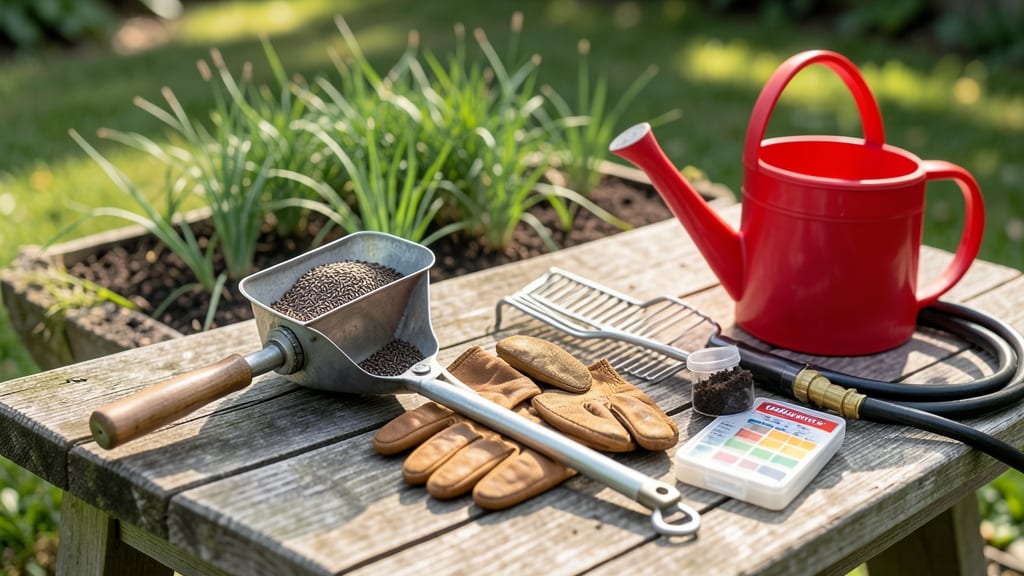
Planting grass seed in South Carolina at the right time means the difference between a lush, green lawn and a patchy, struggling mess—especially in the state’s humid summers and unpredictable weather.
If you’ve ever watched your 🌱 grass seed dry out under the midday sun or wash away in a sudden downpour, you know timing is everything. The wrong window can leave you with thin, weak grass that never fully recovers, no matter how much you water or fertilize.
South Carolina’s climate gives you two ideal planting windows: early spring and fall, when temperatures are mild, and rainfall is steady. But even then, getting the exact timing right—like planting 4-6 weeks before the last frost—can make or break your lawn’s success.
Below, I’ll walk you through the best months to plant, the heat-tolerant grass varieties that thrive here, and the critical deadlines to avoid—so you can skip the guesswork and get a lawn that stays green all year.
South Carolina’s best grass seed planting windows by season
Timing your grass seed planting in South Carolina is critical—get it wrong, and you’ll battle heat stress, drought, or poor germination. The state’s humid summers and mild winters create distinct planting windows that maximize success.
Unlike cooler climates, SC’s soil temperatures and rainfall patterns demand precise timing for optimal grass establishment.
For most grass varieties, the ideal planting windows are early spring (March-April) and fall (September-October). These periods offer moderate temperatures (60-75°F) and consistent moisture, reducing stress on young seedlings.
Spring planting should occur 4-6 weeks before last frost (typically mid-March), while fall planting works until early November for most regions.
Soil temperature is your best indicator—grass seeds need soil at 55-65°F for germination. In SC, this usually aligns with March-April for spring and September-October for fall. Use a soil thermometer to verify before planting, especially in cooler microclimates like the Upstate.
Late summer (August) can work for heat-tolerant varieties like Bermuda or Zoysia, but requires daily watering and shade protection. Avoid planting during peak summer heat (June-July)—soil temperatures often exceed 85°F, causing seeds to dry out before sprouting.
Now let’s break down the best planting windows by season with key requirements:
Spring planting gives seeds time to establish before summer heat arrives. Aim for March-April when daytime highs stay below 80°F and nights dip into the 50s. This balance supports root development while minimizing stress. For best results, test your soil pH (6.0-7.0) and amend with compost before seeding.
Fall planting (September-October) is ideal because cooler temps reduce weed competition and disease pressure. Grass grows actively until first frost (usually mid-November), giving it a head start.
In coastal SC, where winters are milder, you can extend planting until early November, but avoid late fall to prevent winterkill risk.
If you miss these windows, consider sod instead of seed—it establishes faster and handles summer heat better. For seed, your next best option is late summer (August), but only for heat-tolerant varieties like Bermuda or Zoysia. These grasses can handle 85°F+ soil temps with proper water management.
Always check your local microclimate—Upstate SC has cooler springs, while coastal areas may need earlier fall planting. Use a weather station or USDA Plant Hardiness Zone Map (SC is mostly Zone 7b-9a) to fine-tune your timing.
Pro tip: Water deeply twice daily for the first 2 weeks after planting to keep soil moist but not soggy. A light mulch layer (¼ inch) helps retain moisture without smothering seeds.
Heat-tolerant grass seed varieties that thrive in SC’s climate
South Carolina’s humid summers and hot afternoons demand grass varieties that can handle the heat without wilting. The right heat-tolerant grass seed won’t just survive—it’ll thrive, staying lush even when temperatures soar.
Whether you’re dealing with coastal humidity or inland heatwaves, these top-performing grasses are your best bet for a resilient lawn.
From Bermuda grass, known for its drought resistance, to Zoysia, which stays green through long dry spells, each variety has unique strengths. Understanding their planting windows, maintenance needs, and drought tolerance ensures you choose the perfect match for your yard.
Let’s break down the best options for SC’s climate and how to care for them year-round.
| Variety | Best Planting Window | Drought Resistance | Maintenance Level | Shade Tolerance |
|---|---|---|---|---|
| Bermuda Grass | Late spring (April-May) or early summer | ⭐⭐⭐⭐⭐ (Excellent) | High (Frequent mowing) | Low (Needs full sun) |
| Zoysia Grass | Late spring (May-June) or early fall | ⭐⭐⭐⭐ (Very Good) | Moderate (Low mowing) | Moderate (Handles partial shade) |
| St. Augustine Grass | Late spring (May) or early summer | ⭐⭐ (Moderate) | Low (Slow growth) | High (Tolerates shade) |
| Centipede Grass | Late spring (May-June) | ⭐⭐⭐ (Good) | Very Low (Minimal care) | Moderate (Prefers sun but handles shade) |
Bermuda grass is a top choice for homeowners who want a lawn that stays green even during SC’s brutal summers. It germinates quickly and establishes a dense root system that resists drought. However, it requires full sun exposure and frequent mowing to stay at its best. If you’re willing to put in the effort, the payoff is a lawn that can handle week-long heatwaves without skipping a beat.
Zoysia grass is another excellent option, especially if you’re looking for a low-maintenance yet resilient grass. It turns brown in winter but greens up quickly in spring, making it ideal for SC’s mild winters. Zoysia also handles partial shade better than Bermuda, giving you more flexibility in yard placement. Just be patient—it grows slower but stays tough once established.
For areas with more shade or lower maintenance tolerance, St. Augustine grass is a classic SC favorite. It thrives in humid conditions and handles partial shade well, but it’s less drought-resistant than Bermuda or Zoysia.
Watering consistently is key to keeping it lush. If you’re after minimal upkeep, Centipede grass is the easiest to care for, though it’s less common in cooler inland areas.
No matter which variety you choose, soil prep is critical. Test your soil’s pH and amend it to create the ideal growing conditions. Most heat-tolerant grasses prefer slightly acidic soil (pH 6.0-6.5), so a simple soil test kit will save you time and effort.
Once planted, focus on deep watering in the morning to encourage strong root growth and reduce fungal risks.
With the right grass variety and care routine, your South Carolina lawn can stay vibrant all year—even when the mercury rises. Choose wisely, and you’ll enjoy a lawn that’s the envy of the neighborhood, no matter how hot it gets! 🌱☀️