
Plants
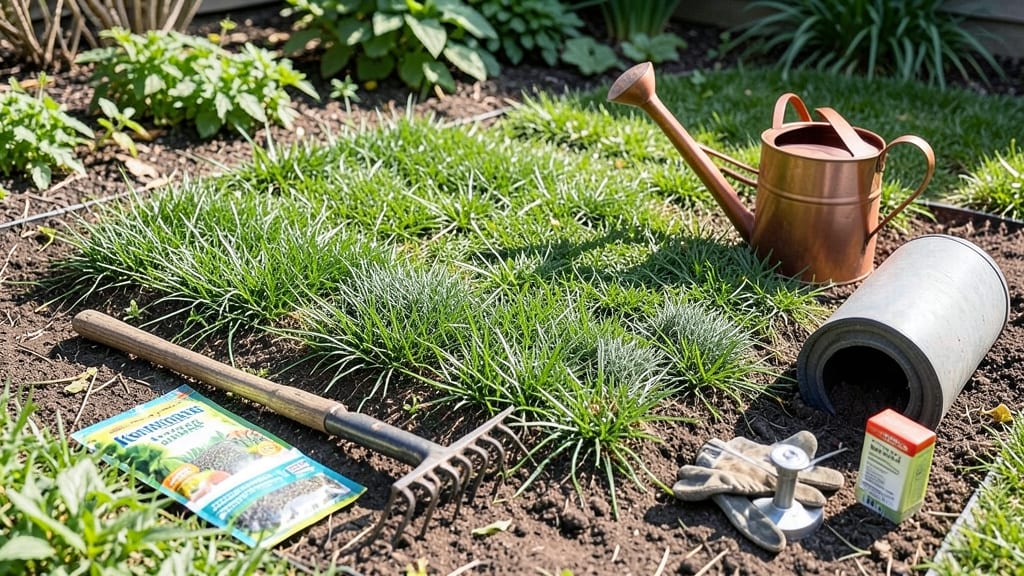
Planting grass seed in Seattle works best between early September and mid-October or late March and early April, when soil temperatures and rainfall align just right.
Seattle’s unpredictable weather can turn a perfect grass lawn into a muddy mess if you plant grass seed at the wrong time—but timing it right means lush, green grass all season long.
The key? Avoiding those late spring frosts that can kill tender seedlings or the dry summer heat that stresses new growth.
In Zone 8a, your best bet is fall planting, when cooler air and consistent rain give seedlings the best chance to root before winter. Spring is your backup, but you’ll need to act fast—once temperatures climb above 75°F, germination slows to a crawl.
Here’s your step-by-step guide to choosing the right window, prepping soil, and picking the toughest grass types for Seattle’s wet winters and dry summers—so you can finally stop fighting your lawn and start enjoying it.
Seattle’s best grass seed planting windows by microclimate zone
Seattle’s diverse microclimates mean your grass seed planting window can vary dramatically—from Puget Sound’s coastal chill to the Eastside’s dry heat. Getting the timing right ensures your cool-season grasses (like Kentucky bluegrass or fescue) thrive without battling frost or drought.
I’ll break down the ideal planting months for each zone, plus the soil temperature thresholds that guarantee germination success.
For Puget Sound areas (like West Seattle or Bainbridge Island), the last frost date typically falls around March 15, while first frost arrives by October 15. These zones benefit from cooler, wetter conditions, making early fall (September–mid-October) and late spring (late March–early April) the sweet spots.
The Eastside (Redmond, Bellevue), however, experiences hotter, drier summers, so planting in fall (August–September) avoids summer stress.
Here’s the summary table for Seattle’s microclimates, including planting windows, soil temp thresholds, and key considerations for each zone:
The Puget Sound zone’s cooler soils (50°F–65°F) mean you can start as early as late March, but avoid planting after October 15—frost will kill seedlings.
For the Eastside, where soils can hit 70°F+ in summer, focus on August–September to beat the heat. South Sound gardeners have a slightly extended window due to milder winters, while urban heat islands (like Downtown) demand deeper watering to offset higher temperatures.
Pro tip: Use a soil thermometer to confirm temps—50°F is the minimum for germination, but 60°F–65°F is ideal. If your soil runs cooler (common in shaded areas), opt for fine fescue, which tolerates lower temperatures better than Kentucky bluegrass.
For sun-baked spots, tall fescue handles heat and drought like a champ.
Timing isn’t just about months—it’s about weather patterns. Seattle’s spring rains can delay planting if soils stay soggy, while summer droughts (especially on the Eastside) make fall the safer bet.
I recommend checking the NOAA Seattle forecast for 7-day soil temp trends before seeding. If forecasted highs exceed 85°F, wait—grass seed struggles to germinate above 75°F.
One common mistake? Planting too early in spring (before April 1) when frost risk lingersJuly or August when weeds outcompete seedlings.
Stick to the microclimate guidelines above, and your grass will establish in 14–21 days—not the 30+ days you’ll get from off-season planting. For urban heat islands, consider shade-tolerant grasses like creeping red fescue if your lawn gets less than 4 hours of sun.
Ready to plant? Grab your seed, compost, and sprinkler, then mark your calendar for your zone’s optimal window. With the right timing, you’ll have thick, green grass by late fall—no muddy patches in sight! 🌱
Soil temperature and weather conditions for successful grass seed germination
Grass seed needs consistent moisture and ideal soil temperatures between 50°F and 65°F to germinate properly. In Seattle, this window aligns perfectly with early fall (September-October) and late spring (March-April), when rain and cooler air create perfect conditions.
If you plant too early, seedlings risk frost damage, while planting too late means competing with weeds or struggling through summer drought.
Seattle’s wetter springs can delay soil warming, so always check soil temperature with a thermometer before planting. Aim for 60°F+ for cool-season grasses like Kentucky bluegrass or fescue, which dominate local lawns. Warm-season grasses like Bermuda (less common here) need 75°F+, which Seattle rarely hits consistently.
Preparing your soil is just as critical as timing. Start by removing weeds and aerating compacted soil—Seattle’s clay-heavy soils benefit from compost or peat moss to improve drainage.
Test your soil’s pH (6.0–7.0) and adjust with lime if needed. Overwatering is a common mistake; aim for 1/2 inch of water weekly (including rain) during germination.
For Seattle’s dry summers, choose drought-tolerant varieties like fine fescue or tall fescue, which handle heat better than Kentucky bluegrass. If planting in shady areas (common in urban Seattle), opt for shade-tolerant grasses like creeping red fescue.
Always water deeply in the morning to reduce fungal risks from evening moisture.
After sowing, keep soil consistently moist (not soggy) for 4–6 weeks until seedlings reach 3 inches tall. Mow high (3–4 inches) to encourage deep roots. Fall-planted grass often outperforms spring because cooler temps reduce weed pressure and give roots time to establish before winter.
Monitor your lawn’s progress with these Seattle-specific tips: If seedlings yellow in summer, they’re thirsty—water deeply 2x weekly. If weeds take over, pre-emergent herbicide in early spring (before weeds sprout) helps. With the right timing and care, your grass will thrive year-round, even in Seattle’s unpredictable climate.