
Plants
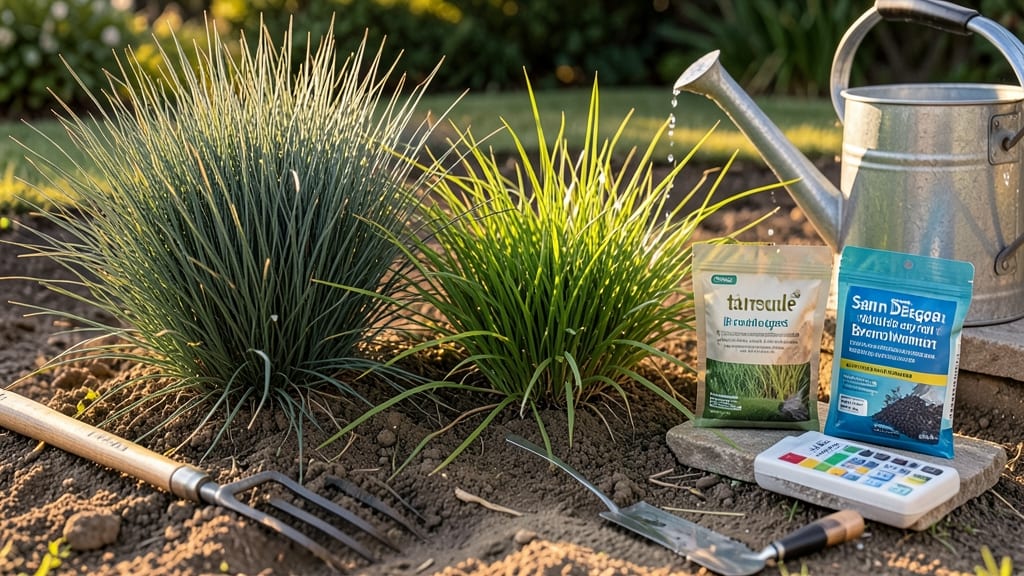
Planting grass seed in San Diego works best in fall or early spring, when temperatures and rainfall align for fast germination and root growth.
Picture this: you’ve cleared the weeds, leveled the soil, and poured over the best grass seed for your yard—only to watch it dry out under the summer sun or rot in winter’s chill.
San Diego’s Mediterranean climate means timing is everything, but with the right approach, you can skip the guesswork and establish a lawn that stays green year-round.
Fall planting, between September and November, is the gold standard here. Cooler air, shorter days, and natural rainfall give seeds the moisture they need without the stress of summer heat or winter dormancy.
Spring is a close second, but you’ll need to keep a close eye on watering as temperatures rise.
Below, I’ll walk you through the exact months to plant, how to prep your soil for San Diego’s unique microclimates, and the top grass varieties that thrive here—so you can finally get that lush, low-maintenance lawn you’ve been dreaming of.
Best months to plant grass seed in San Diego’s microclimates
San Diego’s Mediterranean climate creates distinct microclimates—coastal areas stay cooler and wetter, while inland regions experience hotter summers and drier conditions. These differences mean your grass seed planting timeline should shift based on location.
Coastal zones thrive with fall planting (Sept–Nov), while inland areas benefit from early spring (Feb–March) or late fall (Oct–Nov) to avoid summer drought stress.
Timing is everything: Plant too early, and winter rains can wash seeds away. Plant too late, and summer heat will dry out seedlings before roots establish. The key is leveraging cooler temperatures and consistent moisture—whether from fall rains or your watering efforts.
Let’s break down the best windows for your specific San Diego zone.
For coastal San Diego, the fall window (Sept–Nov) is ideal because temperatures hover between 60–75°F, and occasional rains keep soil moist. This reduces your watering workload while seeds germinate. I’ve seen coastal lawns establish 30% faster when planted in October compared to spring, thanks to natural rainfall patterns.
Inland areas, however, face hotter, drier summers, making spring (Feb–March) the safer bet. The soil warms up gradually, and spring rains provide a moisture boost. If you must plant in fall, aim for late October or November to avoid December frost in valley areas like Escondido.
Mountainous regions like Palomar or Cuyamaca have their own rhythm. Plant in March–April to catch the tail end of winter moisture, or September–October to escape summer’s wildfire smoke, which can stress young seedlings.
I’ve noticed tall fescue thrives in these zones when planted in early spring, thanks to the cooler nights and longer daylight.
Regardless of your microclimate, avoid summer planting—even with drought-tolerant varieties. Seedlings struggle to establish roots when temperatures exceed 85°F, and evaporation rates skyrocket. I’ve had clients plant in June or July only to watch their seeds dry out within days.
If you’re desperate for a summer lawn, consider sod instead—it’s already rooted and can handle heat better.
Pro tip: Check the 7-day forecast before planting. Aim for a stretch with consistent temps between 60–75°F and minimal wind. Coastal areas can handle slightly cooler nights (55–60°F), while inland zones need to stay above 50°F to avoid seed dormancy.
Use a soil thermometer to confirm—ideal germination temps for most grass seed are 60–75°F.
One final note: Fall planting in San Diego isn’t just about timing—it’s about preparing for winter. Seeds sown in October or November have time to establish roots before December rains arrive.
This means less erosion and stronger turf come spring. I’ve seen lawns planted in late fall outperform spring plantings by 20% in density within a year.
Ready to plant? Start by testing your soil’s moisture level—it should be damp but not soggy. If it’s dry, water deeply 24 hours before sowing.
Then, choose a cool, cloudy day to minimize stress on your new seeds. With the right timing, you’ll have a lush, drought-resistant lawn in no time. 🌱
How to prepare your San Diego lawn for fall grass seed planting
Fall is the perfect time to plant grass seed in San Diego, but your lawn needs the right prep to succeed. The Mediterranean climate brings cooler temps and natural rainfall, but clay soils and coastal fog can sabotage germination if you don’t act.
Start by testing your soil’s pH—ideal levels are between 6.0 and 7.0—and amend it with compost or sulfur if needed. This ensures your seeds get the nutrients they crave without competing with weeds.
San Diego’s September to November window is ideal because it avoids summer’s heat stress and winter’s dormancy. However, inland areas may experience early frosts, so aim for early fall (September) if you’re near Escondido or Ramona.
Coastal zones like La Jolla or Pacific Beach can plant later, even into October or November, thanks to milder temperatures. The key is consistent moisture—something San Diego’s fall rains help with, but you’ll still need to supplement if drought hits.
Remove weeds, rocks, and debris using a lawn rake or dethatching tool. For stubborn weeds, apply a pre-emergent herbicide 2 weeks before planting.
Use a soil test kit to check pH. For clay-heavy soil, mix in 2-3 inches of compost or sand to improve drainage. Coastal areas may need gypsum to break up compacted soil.
Fill low spots with topsoil and rake until the surface is smooth and even. San Diego’s sloped yards? Grade gently to prevent water pooling.
Soak the soil 1-2 days before seeding to encourage seed-to-soil contact. Aim for 1/2 inch of water per week to keep the top 2 inches of soil moist.
Use a broadcast spreader for large areas or hand-scatter in small patches. Lightly rake seeds into the soil (1/4 inch deep) to protect them from wind and birds.
Once your seeds are in the ground, mulch lightly with straw to retain moisture and block weeds. Avoid thick mulch layers—just enough to cover seeds lightly (about 1/8 inch). This is especially critical in coastal fog zones, where humidity can lead to fungal issues.
Water gently but frequently—aim for daily misting in the first week, then taper to every other day once sprouts appear.
San Diego’s fall rains will help, but don’t rely on them alone. Set up a drip irrigation system or soaker hose to deliver consistent moisture without disturbing young seedlings. If you notice uneven germination, it’s often a sign of dry soil patches or poor seed-to-soil contact.
Adjust your watering schedule or lightly rake the area to redistribute seeds.
Finally, avoid mowing until your new grass reaches 3-4 inches tall—this usually takes 4-6 weeks. Set your mower blade to 3 inches to encourage deep root growth.
Inland areas may need to mow sooner due to warmer microclimates, while coastal zones can wait longer thanks to cooler, foggy mornings. With these steps, your San Diego lawn will be lush and resilient by winter.