
Plants
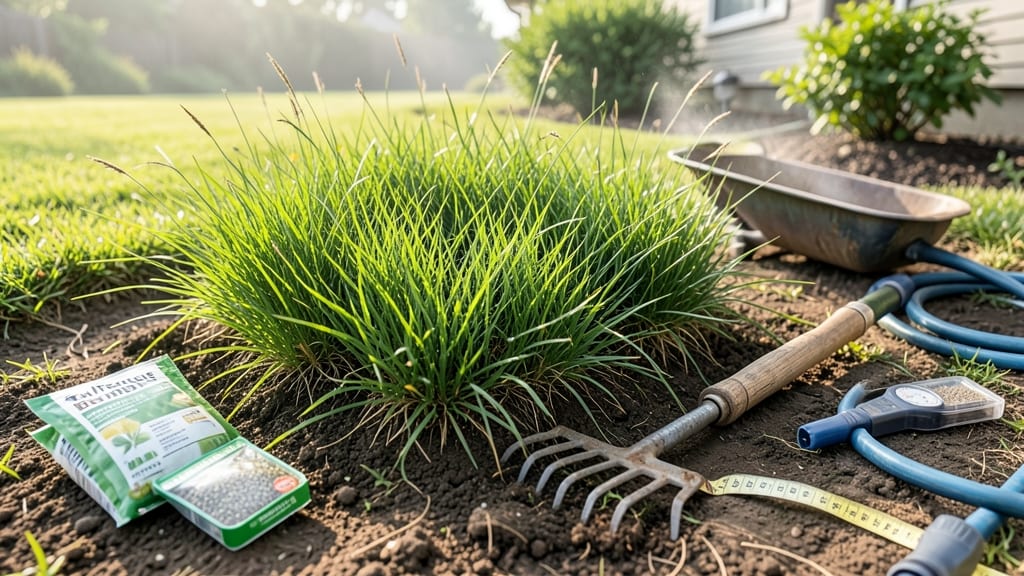
Planting grass seed in San Antonio between late summer and early fall gives your lawn the best shot at deep roots and lush growth before the rainy season.
Picture this: you’ve spent hours choosing the perfect seed blend, only to watch it bake under August sun or wash away in October downpours.
That’s why timing is everything—late summer is the sweet spot for warm-season grasses like Bermuda or St. Augustine, when soil stays warm enough for germination but temperatures dip just enough to slow evaporation.
San Antonio’s 8a-9a climate means you’ve got a narrow window to work with. Plant too early, and the heat stresses seedlings; too late, and fall rains make establishment a gamble.
Below, I’ll break down the exact months to aim for, soil prep secrets, and how to outsmart the city’s unpredictable weather patterns for a thick, resilient lawn by spring.
Ready to skip the guesswork? Let’s dive into the step-by-step plan that’s helped neighbors like you transform patchy yards into vibrant green spaces—without the frustration.
San Antonio’s ideal grass seed planting window: late summer timing explained
San Antonio’s 100°F+ summers and unpredictable fall rains make timing everything for grass seed success. Planting too early risks heat stress and seed burn, while waiting too late means missing fall moisture critical for root development.
The sweet spot? Late August through mid-September—when soil stays warm enough for germination but temperatures begin cooling for stronger growth.
This window aligns with San Antonio’s natural rainfall patterns: late summer’s residual heat kickstarts seed activity, while early fall’s increased humidity and 0.5-1.5 inches of weekly rain (average for September) reduce irrigation demands.
Local Bermuda and St. Augustine grasses thrive when planted during this transition, avoiding both summer’s intensity and winter’s dormancy.
For optimal germination, aim for soil temperatures between 65°F and 75°F—the upper limit for most grass varieties. Use a soil thermometer (available at local nurseries like Heinen’s Garden Center) to confirm.
If temperatures exceed 85°F, delay planting until evening shade covers your lawn area for at least 4 hours daily.
Moisture management is equally critical. Newly planted seed needs consistent soil moisture (like a damp sponge) but can’t handle waterlogging. San Antonio’s September average of 12 rainy days provides natural relief, but supplement with early-morning watering (4-8 AM) to prevent fungal risks from evening dampness.
Here’s why late summer planting outsmarts other windows:
| Planting Window | Soil Temp Ideal | Rainfall Support | Key Benefit | Risk to Avoid |
|---|---|---|---|---|
| Late August–Mid-September | 65°F–75°F | 0.5–1.5" weekly | Deep root establishment before winter | Late-season heat spikes |
| Early Spring (Feb–March) | 55°F–65°F | 0.3–0.8" weekly | Avoids summer stress | Spring drought risk |
| Summer (June–July) | Above 85°F | Minimal rainfall | N/A (seed burn likely) | 100% failure risk |
| Fall (October–November) | Below 60°F | 1–2" weekly | Winter prep | Slow germination |
Common mistakes in San Antonio’s climate include planting Bermuda grass in spring (it goes dormant) or overwatering after germination, which washes out seed. Instead, use a light sprinkle (2-3 times daily) until grass reaches 2 inches tall, then taper to 1 inch weekly.
Local buffalo grass varieties like ‘Prairie’ are ideal for late summer planting—they thrive in USDA Zone 8b-9a and require 30% less water once established.
Pro tip: Test your soil’s pH (6.0–7.0 ideal) and nitrogen levels before planting. San Antonio’s calcareous soil often lacks phosphorus—amend with bone meal (1 lb per 100 sqft) to boost root growth. Apply a starter fertilizer (16-4-8 NPK) at planting, then follow up with slow-release nitrogen in 6–8 weeks.
Watch for armyworms (common in late summer)—they target new grass shoots. Use beneficial nematodes or milky spore (available at Native American Seed) for organic control. Time your planting to avoid early October, when hurricane season rains can erode newly sown seed.
By planting in late August–September, you’ll give your grass 6–8 weeks of warm soil for root development before winter slows growth. This strategy ensures 70–80% germination rates—far higher than spring planting’s 40–50% success in San Antonio’s variable climate.
Step-by-step late summer grass seed preparation for San Antonio’s climate
San Antonio’s late summer heat can be brutal on new grass seedlings, but with the right prep, you can turn this challenge into an advantage. The key is to time your planting when soil temperatures are still warm enough for germination but evaporation slows as we near fall.
This window—typically mid-August through September—gives seeds a fighting chance to establish deep roots before the rainy season arrives.
For warm-season grasses like Bermuda or St. Augustine, late summer is ideal because they thrive in heat but need consistent moisture to avoid stress. Meanwhile, cool-season blends like ryegrass can be overseeded later in fall, but we’ll focus on the warm-season prep here.
Let’s break down the exact steps to maximize your success in San Antonio’s unique climate.
Your Late Summer Grass Seed Checklist
- 1 Test your soil (pH 6.0–7.5 for most grasses). Use a home test kit or send a sample to the Texas A&M AgriLife Extension for precise results. San Antonio’s calcareous soil often needs amendments like sulfur to lower pH.
- 2 Choose the right seed blend. For San Antonio’s heat, opt for Bermuda or St. Augustine mixes. If overseeding, add ryegrass for winter color. Avoid cheap blends with low germination rates—they’ll cost you more in the long run.
- 3 Prep the soil by removing debris and loosening the top 2–3 inches with a rake or tiller. Add compost or a slow-release fertilizer (like 16-4-8) to boost nutrients. For bare spots, consider a topdressing of sand to improve drainage.
- 4 Water deeply 2–3 days before planting to moisten the soil. Aim for 1 inch of water per week leading up to seeding. This step is critical in San Antonio’s dry late summer to ensure seeds don’t dry out immediately after planting.
- 5 Spread seed evenly using a broadcast spreader or by hand for small areas. For warm-season grasses, apply at 10–15 lbs per 1,000 sq ft. Lightly rake to ensure seed-to-soil contact, which is essential for germination in San Antonio’s hot, dry winds.
- 6 Cover seeds lightly with a thin layer of straw or peat moss (no more than ¼ inch) to retain moisture. This protects seeds from bird damage and wind while allowing sunlight to reach them.
- 7 Water lightly but frequently—2–3 times daily for the first week, keeping the soil consistently moist (not soggy). Use a gentle sprinkler or soaker hose to avoid displacing seeds. Reduce to 1 inch per week once germination begins (7–14 days for warm-season grasses).
After planting, avoid walking on the lawn for at least 4–6 weeks to prevent damaging young roots. Once your grass reaches 3–4 inches tall, you can reduce watering slightly but keep it consistent.
Mulching with straw or wood chips helps retain moisture and suppress weeds—a game-changer in San Antonio’s hot, dry spells.
Pro tip: If you’re overseeding with cool-season grasses in fall, wait until October when soil temps drop below 75°F. This ensures the warm-season grass stays active while the cool-season seeds germinate without competing for resources.
With these steps, your lawn will be thicker and greener by spring—no more brown patches or weed takeovers!