
Plants
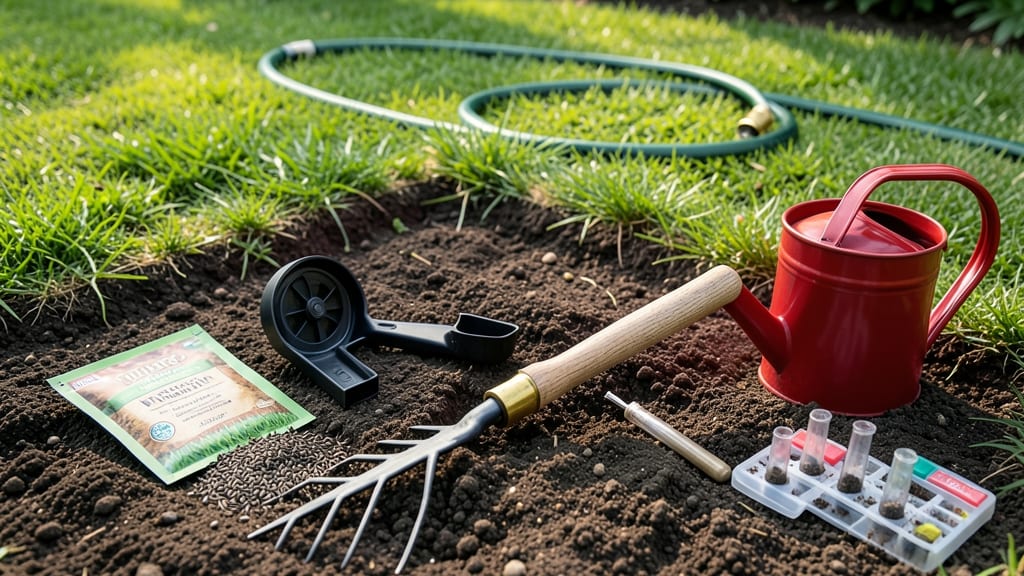
To plant grass seed in Pennsylvania at the right time means avoiding patchy lawns and weed takeovers — aim for early spring or early fall when temperatures and soil conditions align just right.
Struggling to get a thick, green lawn in Pennsylvania? Planting grass seed at the wrong time can leave your yard patchy, weed-infested, and struggling to survive the harsh seasons. Timing is everything—and these zone-specific deadlines will help you achieve a lush, weed-resistant lawn with minimal effort.
Pennsylvania’s USDA zones 5b-7a create a unique challenge, with frost dates that shift from April 15 in the north to mid-March in the south. Plant too early, and your seed risks drying out or freezing. Too late, and weeds steal the show before your grass takes hold.
Below, I break down the exact planting windows for your region, soil prep secrets to lock in moisture, and why fall often beats spring for a stronger start. Let’s get that lawn growing right.
Pennsylvania planting zones: exact deadlines for spring and fall grass seed success
Pennsylvania spans USDA Hardiness Zones 5a-7a, which means your grass seed planting deadlines should align with your specific microclimate. Cool-season grasses like Kentucky Bluegrass and Fescue thrive in PA's climate, while warm-season grasses like Bermuda and Zoysia need precise timing to avoid frost damage.
The key is planting when soil temperatures are ideal—50-65°F for cool-season and 65-75°F for warm-season varieties.
Most of Pennsylvania experiences its last frost around April 15 and first frost around October 15, but these dates shift slightly between zones. For example, Zone 5a (northwestern PA) has a shorter growing season than Zone 7a (southeastern PA).
This variation means your planting window could be 2-3 weeks earlier in the south compared to the north.
Here’s the non-negotiable rule: Plant 4-6 weeks before the first frost in fall or 2-4 weeks after the last frost in spring.
This timing ensures seeds germinate before extreme heat or cold sets in. Miss these windows, and you risk patchy lawns, weed invasion, or seed washout from heavy rains.
🌱
For cool-season grasses, focus on spring (April) and fall (September) planting. These grasses grow best when daytime temperatures are 60-75°F and nighttime temps stay above 40°F. Fall planting is often superior because cooler temps reduce weed competition and drought stress.
In Zone 5a, aim for late August to mid-September to avoid early frosts.
Warm-season grasses like Bermuda and Zoysia are riskier in Pennsylvania but can thrive in Zone 7a if planted after May 1.
These grasses need consistent warmth—planting too early exposes them to frost. Late spring (May-June) is your only safe window, but germination takes 2-3 weeks longer than cool-season varieties.
Microclimates play a huge role in PA. If your yard sits in a valley or low-lying area, expect 2-3 weeks later frosts than higher elevations. Use a soil thermometer to confirm temps before planting—cool-season seeds won’t germinate below 50°F, even if the calendar says it’s spring.
Pro tip: Test your soil’s moisture before planting. If the top 2 inches feel dry, water deeply 24 hours before seeding. Overwatering washes seeds away, while underwatering causes poor germination. Morning watering is ideal—it reduces evaporation and fungal risks.
In Zone 6a and 7a, you can push fall planting into early October if your grass variety is drought-resistant (like tall fescue).
However, avoid seeding after October 15, as new growth won’t harden off before winter. Spring planting should never start before April 1, even in the south—soil is often too cold and compacted from winter.
💧
How to prepare your Pennsylvania lawn for grass seed planting: soil, weather, and pre-seeding tips
Getting your Pennsylvania lawn ready for grass seed means more than just scattering seed—it’s about creating the perfect conditions for germination. Start by testing your soil pH, which should ideally fall between 6.0 and 7.0.
Cool-season grasses like Kentucky Bluegrass and Tall Fescue thrive in this range, while warm-season varieties like Zoysia prefer slightly higher pH levels.
Use a soil test kit (available at garden centers) to check your lawn’s current pH. If it’s too acidic, add lime to raise it; for alkaline soil, incorporate sulfur or peat moss. Aim to adjust the pH at least 4-6 weeks before planting to give amendments time to work.
Avoid planting after heavy rain or during extreme heat, as both conditions can wash away seed or cause it to dry out. Instead, choose a day with gentle rain forecast or plan to water lightly after seeding.
Pennsylvania’s spring and fall windows—March-April and August-September—offer the best balance of moisture and temperature.
🌱 When to Plant Grass Seed in Pennsylvania
- 📅 Ideal Months: March-April (Spring) or August-September (Fall)
- 🌡️ Temperature: 60-75°F (15-24°C) for germination
- 💧 Soil Moisture: Keep consistently damp (not soggy) for 2 weeks
- ☀️ Sunlight: Full sun (6+ hours daily) for best results
- 🚫 Avoid: Planting after rain, during heatwaves, or when frost is forecasted
⏰ Pro Tip: Plant 4-6 weeks before first frost in fall or after last frost in spring for optimal growth.
Before seeding, remove debris and weeds using a rake or dethatching tool. Loosen the top 1-2 inches of soil to create a fine, crumbly texture—this helps seed make direct contact with the earth.
For bare spots, consider adding a thin layer of compost (¼ inch) to boost nutrients without smothering the seed.
Choose a seed blend tailored to your region. Northern PA (zones 5b-6a) benefits from Tall Fescue mixes, while southern PA (zones 6b-7a) can handle Kentucky Bluegrass or Fine Fescue. Always opt for high-quality, certified seed to avoid weeds like crabgrass or chickweed.
After seeding, lightly cover the area with ¼ inch of soil or straw mulch to protect seeds from drying out. Water gently with a fine mist for the first 2 weeks, keeping the soil moist but not waterlogged.
A sprinkler with gentle spray or a hose attachment works best for even coverage.