
Lawn
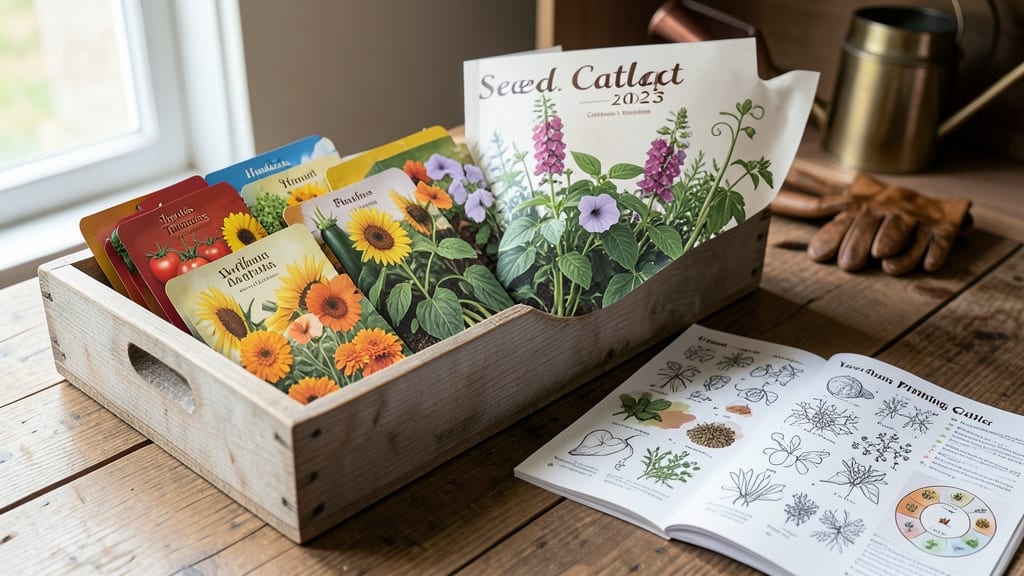
Ordering seed catalogs for 2025 now means next year’s lawn will be the envy of the neighborhood. 🌱 The best catalogs arrive in late winter, and early birds like me get first pick of drought-tolerant grasses, shade-loving mixes, and specialty blends that big-box stores don’t carry.
This is where you design a lawn that actually works for your yard—not just the generic "green carpet" everyone else has.
Start by noting your USDA zone and sun exposure—these determine what grows best. Most catalogs include planting zone maps, but I always double-check with my local extension office for microclimate tweaks.
Pro tip: mark your calendar for 6-8 weeks before your last frost—that’s when seed orders arrive, and you’ll want time to plan before spring planting rush begins.
You’ll end up with a lawn that stays lush through summer droughts and recovers faster from foot traffic. The right mix means fewer weeds, less mowing, and that deep green color that makes neighbors pause mid-lawnmower. Plus, you’ll support small seed companies that focus on quality over quantity.
For organization, I use a simple spreadsheet with columns for variety name, days to germination, sun needs, and quantity. This keeps me from ordering duplicates or forgetting specialty seeds. Start your list now—you’ll thank your future self when your lawn looks like a postcard next June.
📚 In This Guide
- What you need
- Instructions
- Tips and common mistakes
- Wrapping up and next steps
What you need
- ● Seed catalogs (digital or print): At least 3-5 curated 2025 catalogs (e.g., Burpee, Park Seed, or local specialty brands). Notebook or digital planner: For tracking seed varieties, planting dates, and lawn zones (USDA Hardiness Zone Guide recommended). Measuring tape (25 ft): To assess lawn size and seed coverage needs (e.g., 1 lb of seed per 100 sq ft for most grasses). Lawn soil test kit: To check pH and nutrient levels (aim for 6.0–7.0 pH for optimal growth). Broadcast or drop spreader: For even seed distribution (rent or buy a handheld or tow-behind model). Garden gloves & knee pads: Comfort is key—opt for waterproof, breathable options. Watering tools: Hose with adjustable nozzle (for pre- and post-planting watering).
- ● Sprinkler (oscillating or impact) for large lawns.
- ● Seed starter trays: For germinating seeds indoors (if extending your growing season). Soil amendments: Compost, peat moss, or slow-release fertilizer (e.g., 10-10-10 NPK ratio). Lawn roller (lightweight): To firm seed into soil (avoid heavy rollers—50–100 lbs max). Weed barrier fabric: For suppressing weeds before seeding (use in late summer/fall). App or GPS tool: Like Gardenate or PlantNet to track planting zones and moon phases (for the superstitious gardeners!).
How to choose the best seed catalogs for your 2025 lawn goals
Picking the right seed catalogs sets you up for a stunning lawn next spring—here's how to find the perfect fit.
📜 Step 1: Define Your Lawn Type and Climate Needs
Start by identifying your lawn type—cool-season grasses like Kentucky bluegrass thrive in northern climates, while warm-season varieties such as Bermuda grass dominate southern regions. Check your USDA hardiness zone (most seed catalogs list compatible zones) to narrow down options. I always cross-reference with my local extension service's recommendations—they test varieties for disease resistance and drought tolerance in your exact area.
Look for catalogs that specialize in your region. A catalog focused on Pacific Northwest grasses won't help if you're in Florida. The best ones include climate-specific growing tips in their seed descriptions. For example, you'll see notes like "drought-tolerant after establishment" or "shade-tolerant for dense coverage." These details save you from trial-and-error planting.
🌱 Step 2: Compare Seed Quality and Germination Rates
Top-tier seed catalogs list germination percentages—aim for 85% or higher for reliable growth. I avoid catalogs that only provide "high-quality" without specifics. Look for terms like "certified organic" if that matters to you, or "no GMO" for seed purity. Some premium catalogs even include a germination guarantee, which is a huge confidence booster.
Pay attention to seed blends versus pure varieties. Blends offer instant color but may include weaker performers. Pure varieties let you customize your lawn's exact look and performance. I usually mix one pure variety (for consistent quality) with a blend (for instant ground cover) in my larger areas. Check the seed weight per pound—higher weights often indicate larger seed sizes that establish faster.
☀️ Step 3: Review Planting and Maintenance Guidance
The best catalogs provide step-by-step planting instructions tailored to your grass type. Look for details like "seed depth of ¼ inch" or "watering schedule of twice daily for 2 weeks." I avoid catalogs that only say "plant in spring"—that's too vague. The top ones include charts showing optimal planting windows by region and maintenance timelines.
Check for included accessories like starter fertilizer or seed spreader recommendations. Some catalogs partner with tool brands and offer discounts on compatible equipment. I always make a note of whether they recommend overseeding in fall or spring—this affects your entire lawn care schedule. The more specific the catalog, the fewer surprises you'll face in your first growing season.
💰 Step 4: Compare Pricing and Ordering Policies
Price per pound varies dramatically—some catalogs offer $1.50/lb for basic blends while premium varieties can reach $5/lb. Calculate your lawn size (square footage) and multiply by seed rate (usually 8-12 lbs per 1,000 sq ft) to estimate costs. I recommend ordering from multiple catalogs to compare not just price but also seed variety availability.
Review shipping policies carefully. Some catalogs offer free shipping over $50 while others charge flat rates. Check return policies—some allow returns for unopened seeds if you change your mind. I always factor in potential replanting costs when choosing a catalog. Look for money-back guarantees on germination—this protects you if seeds arrive damaged or fail to sprout.
⏰ Step 5: Plan Your Order Timeline
Most seed catalogs open orders in late winter—typically February through March. Set calendar reminders for when your top choices release new varieties. I mark my calendar for when early-bird discounts end (often in early February) to avoid last-minute price hikes. Some catalogs offer "seed clubs" where you get first access to limited-edition varieties.
Order seeds 8-12 weeks before your ideal planting window. This gives you time to address any germination issues or reorder if needed. I always order 10-15% extra to account for birds, wind, or uneven distribution. Check the catalog's storage recommendations—some seeds need refrigeration while others should stay in cool, dry conditions until planting time.
Tips & tricks for perfect seed catalog selection
Took me years to figure out what separates a good seed catalog from a great one—here’s how to spot the winners.
Regional Specialization: The best catalogs don’t just list seeds—they tailor them to your exact climate. I always check if they mention your USDA hardiness zone in their descriptions. For example, a catalog featuring "drought-tolerant" varieties for Zone 7 won’t help if you’re in Zone 4. Look for phrases like "northern-approved" or "southern heat-resistant" to know you’re getting localized expertise.
Germination Guarantees: Top-tier catalogs include germination percentages (aim for 85% or higher) and often provide money-back guarantees if seeds fail to sprout. I’ve saved myself replanting headaches by sticking with catalogs that offer this protection. Skip any that only say "high-quality" without specifics—those are red flags for inconsistent results.
Planting Precision: The difference between a vague "plant in spring" and a detailed "seed depth of ¼ inch with twice-daily watering for 2 weeks" is night and day. I avoid catalogs that don’t include these specifics—they’re the ones that leave you guessing. Look for step-by-step charts or seasonal planting windows tailored to your region.
Ordering Flexibility: Always factor in shipping costs and return policies before committing. Some catalogs offer free shipping over $50, while others charge flat rates that can add up. I’ve learned the hard way that ordering 10-15% extra accounts for birds, wind, and uneven distribution—don’t skip this step, even if it means paying a little more upfront.
Pro Tips for Seed Catalogs 2025
- Took me years to figure out what separates a good seed catalog from a great one—here’s how to spot the winners.
- Regional Specialization: The best catalogs don’t just list seeds—they tailor them to your exact climate.
- Germination Guarantees: Top-tier catalogs include germination percentages (aim for 85% or higher) and often provide money-back guarantees if seeds fail to sprout.
Frequently asked questions
Got questions about seed catalogs for 2025?
You’re not alone! Here are answers to the most common queries—from timing to troubleshooting—to help you plan your lush lawn with confidence.
When should I order seed catalogs for 2025?
Most catalogs release late summer to early fall (August–October) for the following year’s planting season. Early orders often get discounts, and you’ll have time to research varieties before winter. Pro tip: Bookmark your top picks now to avoid last-minute stress!
Can I still get high-quality seeds if I order late?
Yes! Reputable seed companies (like Burpee or Park Seed) ship orders year-round. However, early orders ensure better selection—popular varieties may sell out. Check catalogs’ “availability” filters to avoid disappointments.
Are seed catalogs worth the cost, or should I buy online?
Catalogs offer exclusive varieties, heirloom options, and detailed growing guides—benefits you won’t find on generic retail sites. That said, compare prices: some catalogs bundle seeds with tools, saving you money long-term. For lawn seeds, specialty suppliers often beat big-box stores on bulk pricing.
How do I store seeds if I order early for 2025?
Store seeds in a cool (50–60°F), dry place (like a pantry) in airtight containers. Avoid refrigeration—moisture and temperature swings reduce viability. Label packages with the purchase date to track freshness. Most seeds last 1–2 years; check the catalog’s “viability” notes for specifics.
What if my lawn seeds arrive damaged or won’t germinate?
Contact the company within 30 days with photos—most offer replacements or refunds. To prevent issues, inspect seeds upon arrival for mold, pests, or clumping. For lawn seeds, test germination by planting a small patch first. If problems persist, request a seed viability report from the supplier.
Wrapping up and next steps
As you explore the seed catalogs 2025, remember that the perfect lawn is just a seed away! 🌱 These curated picks offer vibrant colors, resilient varieties, and eco-friendly options to transform your outdoor space into a lush paradise.
Whether you're a seasoned gardener or just starting, now is the time to plan and prepare for next year’s greener, healthier lawn.
Ready to take the next step? Mark your calendar, jot down your favorites, and start dreaming big—your future lawn will thank you! 🌿