
Planting
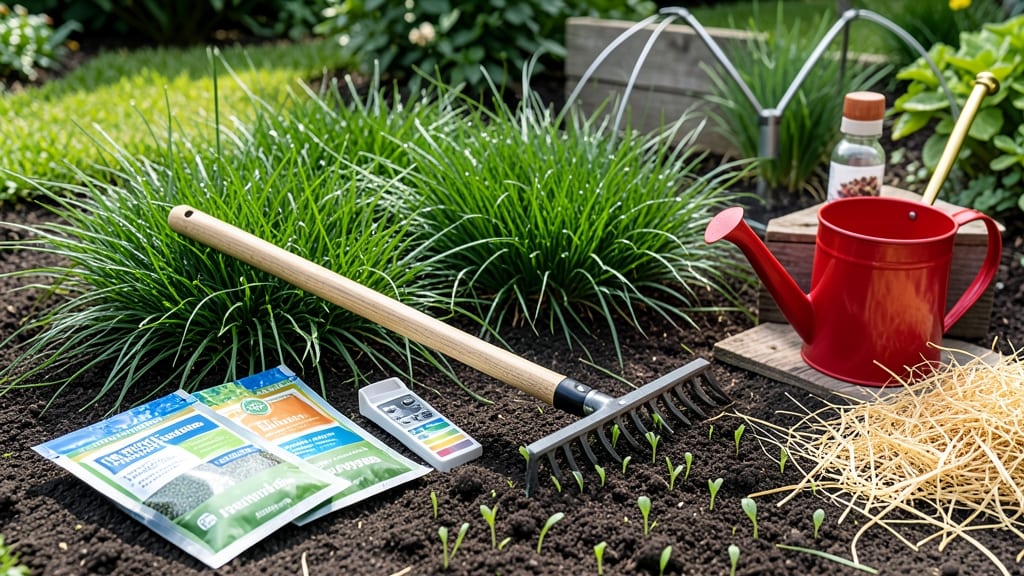
Planting grass seed in Pennsylvania during fall unlocks the secret to a thick, resilient lawn by spring—when soil temps hit 50–65°F and weeds slow down.
If you’ve ever stared at a patchy lawn in summer and wondered how to fix it, the answer lies in timing. Fall planting lets grass roots grow deep before winter, so they wake up stronger in spring.
But miss that window, and you’re stuck with slow germination or weeds stealing the show.
Pennsylvania’s USDA Zones 5a–7a mean your best bet is late September through early October, but southern PA can stretch into November. The key? Soil that’s warm enough for seeds but cool enough to avoid drought stress.
Below, I break down the exact dates by region, how to prep your soil, and a step-by-step checklist to keep your lawn lush—without the guesswork. Let’s get started.
Best fall planting windows for Pennsylvania grass seed success
Pennsylvania’s fall planting window is your golden opportunity to establish a thick, resilient lawn before winter dormancy. Unlike spring, when weeds compete fiercely, fall offers cooler soil temperatures (ideal for germination) and less stress on new grass.
But timing matters—plant too early, and seeds may rot; too late, and roots won’t strengthen before frost. Let’s break down the perfect fall windows by region and grass type.
In southeastern PA (USDA Zones 6b-7a), aim for mid-September to early October. This aligns with soil temps dropping to 60-65°F, perfect for cool-season grasses like Kentucky bluegrass and tall fescue.
Meanwhile, northwestern PA (Zones 5a-6a) should plant late August to mid-September, when daytime highs hover around 70°F but nights cool quickly. Both regions must avoid planting when frost is forecasted within 2-3 weeks—roots need time to establish.
| Region | Ideal Planting Window | Soil Temp Threshold | Grass Type | Frost Buffer |
|---|---|---|---|---|
| Southeast PA | Mid-September to Early October | 60-65°F | Kentucky Bluegrass, Tall Fescue | 2-3 weeks before first frost |
| Northwest PA | Late August to Mid-September | 55-60°F | Fine Fescue, Perennial Ryegrass | 3-4 weeks before first frost |
| Mountain Regions | Early September to Late September | 50-55°F | Hard Fescue, Creeping Red Fescue | 4 weeks before first frost |
Kentucky bluegrass thrives when planted in early fall (September) because it needs 60-65°F soil to germinate quickly. This grass spreads aggressively via stolons, so give it 4-6 weeks before frost to establish a dense network. Tall fescue, on the other hand, is more flexible—it tolerates cooler soil temps (55-60°F) and can handle later planting (October), making it ideal for northern PA where winters arrive early.
Perennial ryegrass is the fastest germinator (5-10 days), perfect for late fall plantings if you miss the ideal window. It’s often mixed with other seeds to provide instant green-up while slower grasses like fescue take hold. Fine fescue, however, prefers shadier conditions and cooler temps, making it a top choice for wooded or high-altitude lawns in PA’s mountain regions.
Adjust your planting if unpredictable weather throws off your timeline. For example, if hot, dry spells persist into October, delay planting until soil temps drop below 70°F at 4 inches deep. Use a soil thermometer to check—this tool is your best friend for PA’s variable climate.
If frost threatens too soon, opt for a winter-hardy mix like hard fescue, which can survive light frosts and resume growth in spring.
Pro tip: Seed depth matters. Cool-season grasses should be sown ¼ inch deep—no deeper, or they’ll struggle to emerge. Use a seed spreader for even distribution, then lightly rake to ensure seed-to-soil contact.
After planting, mulch with straw (not wood chips) to retain moisture and protect seeds from late-season heat waves.
Missed the fall window? Don’t panic—early spring (March-April) is your second chance, but weed competition will be fiercer. Fall planting gives your lawn a 3-4 week head start on weeds, thanks to cooler temps and slower weed germination.
That’s why 80% of PA lawn pros recommend fall as the best time for grass seed success.
Watch for local frost forecasts and adjust your timeline accordingly. For instance, if your area typically sees first frost by November 1, aim to finish planting by October 15 to allow 4-6 weeks of growth before dormancy.
In higher elevations (like the Poconos), push planting to early September to avoid early snow cutting the season short.
Remember: Deep roots = winter survival. Fall-planted grass develops 3x stronger roots before winter than spring-planted grass, thanks to consistent moisture and cool nights. This
Signs your Pennsylvania soil is ready for grass seed (and what to do if it’s not)
Your Pennsylvania lawn’s success starts with soil that’s moist but not soggy and warm enough to germinate seeds. Cool-season grasses like Kentucky bluegrass and tall fescue thrive when soil temps hover between 50–65°F.
If you’ve ever planted too early or late, you know how quickly seeds can fail—either rotting in cold soil or drying out in heat.
To avoid this, I test soil readiness with three simple checks: the squeeze test for moisture, a soil thermometer for temperature, and a quick peek at the 10-day forecast.
Skip these, and you risk weak germination or wasted seed. Let’s break down each step so you can plant with confidence.
⚠️ callout warning ⚠️
❄️ Late Fall Planting? Adjust Your Approach!
If early fall planting slips past October 15 in most of PA, switch to cold-hardy ryegrass or winter ryegrass—they germinate faster in cooler temps. Add straw mulch (not wood chips) to insulate seeds from frost. Avoid planting if frost is forecasted within 10 days, as seeds won’t survive.
First, grab a handful of soil and squeeze it in your palm. If it holds its shape but crumbles when you poke it, your soil is perfectly moist. If it dissolves into dust, water it 24 hours before planting.
Overly wet soil suffocates seeds, while dry soil causes them to bake in the sun. Aim for a texture like a wrung-out sponge—damp but not dripping.
Next, check soil temperature with a digital thermometer (insert it 2 inches deep). 50–65°F is ideal for germination. In northern PA (Zones 5a–6a), this often means waiting until late September, while southern PA (Zones 6b–7a) can plant as late as early November.
Pro tip: Test temps at 10 AM and 4 PM—morning readings can be misleadingly cool.
Don’t forget the weather! A 5-day forecast showing consistent temps above 50°F and no heavy rain is a green light. If storms are predicted, delay planting until conditions stabilize.
Seeds need consistent moisture to sprout, but standing water drowns them. Use a lightweight row cover if rain is forecasted within 48 hours of planting.
If your soil fails these tests, don’t panic. Prep it now for a late fall planting: loosen the top 2–3 inches with a rake, mix in compost for nutrients, and water deeply.
Choose a slow-release fertilizer (like 10-20-10) to give seeds a head start. With the right adjustments, even a missed window can still yield a thick lawn by spring.