
Companion Plants
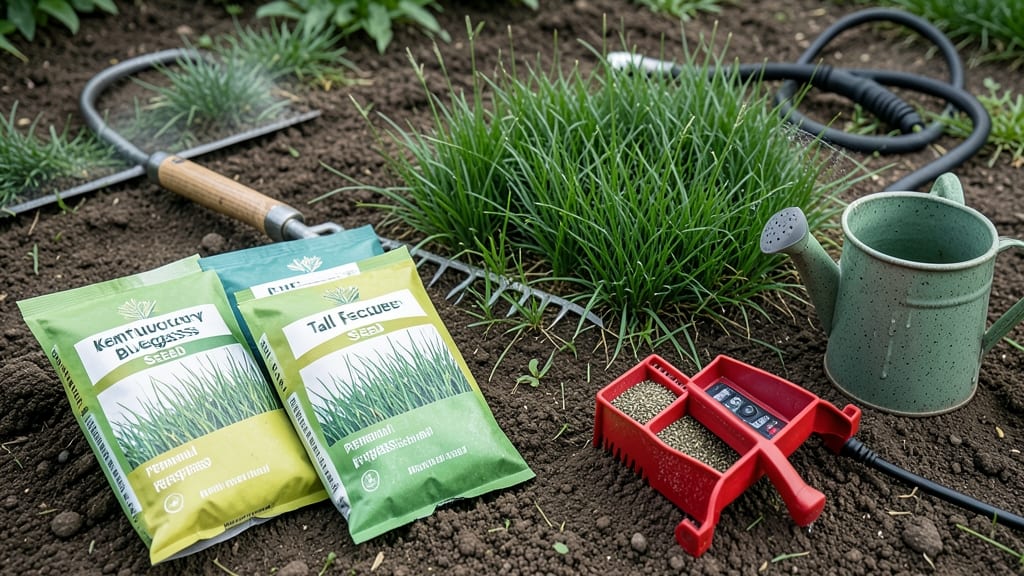
Planting grass seed in Pennsylvania in spring means timing it 4-6 weeks after the last frost when soil temperatures hit 55-65°F—the sweet spot for fast germination.
If you’ve ever watched your 🌱 grass seed sprout unevenly or struggle against late frosts, you know how critical this window is. Get it right, and you’ll see lush green growth in weeks; get it wrong, and you’re staring at bare patches all summer.
Pennsylvania’s climate varies from Pittsburgh’s cooler springs to Philadelphia’s earlier warm-ups, so knowing your zone (5a-7a) and soil temp tricks makes all the difference. Below, I’ll break down the exact months to plant, how to prep your soil, and the fastest way to protect your new lawn from spring surprises.
Ready to skip the guesswork? You’ll learn how to test soil temperature, choose the right seed mix for your region, and keep your lawn thriving—without wasting seeds or money on a second try.
Ideal soil temperature ranges for planting grass seed in PA spring
Planting grass seed in Pennsylvania’s unpredictable spring weather can feel like a guessing game—but the secret to success lies in soil temperature, not just air temperature.
Cool-season grasses like tall fescue and Kentucky bluegrass thrive when soil warms to 50-65°F, while warm-season varieties like Bermuda grass need 65-75°F. Since PA’s climate varies dramatically from Philadelphia’s coastal warmth to Pittsburgh’s inland chill, timing is everything.
Most Pennsylvania gardeners focus on cool-season grasses, which dominate lawns across the state. These grasses germinate best when soil temperatures consistently stay between 50°F and 65°F for at least 7-10 days. Below 50°F, seeds may rot; above 65°F, they risk drying out before sprouting.
The key is planting when your region’s last frost has passed but summer heat hasn’t arrived—typically 4-6 weeks after the average last frost date.
Here’s the critical difference between PA’s regions: Philadelphia’s soil warms faster due to its coastal microclimate, often hitting ideal temps by mid-March, while Pittsburgh’s inland location may not reach 50°F until late April. Use these soil temperature ranges as your planting guide, not calendar dates.
Testing soil temperature accurately is simpler than you think. Use a soil thermometer (available for $10-$15) and check temps at 2-inch depth—the same depth where grass seeds will germinate.
Take readings in the early morning (before sunlight warms the soil) for the most reliable data. If temps fluctuate daily, wait until they stabilize for 3 consecutive days before planting.
| Grass Type | Ideal Soil Temp (°F) | PA Region | Best Planting Window |
|---|---|---|---|
| Cool-Season (Tall Fescue, Kentucky Bluegrass) | 50-65°F | Philadelphia, Erie | Mid-March to early April |
| Cool-Season (Same) | 50-65°F | Pittsburgh, State College | Late April to mid-May |
| Warm-Season (Bermuda, Zoysia) | 65-75°F | Southern PA (Lancaster) | Late May to June |
| All Grasses (Emergency Fall Planting) | 55-65°F | Statewide | Late August to September |
For Philadelphia gardeners, aim to plant when soil temps hit 55°F consistently—usually by mid-March. In contrast, Pittsburgh’s cooler climate often delays ideal conditions until late April. Check local USDA Plant Hardiness Zone maps (PA ranges from Zone 5a to 7a) to refine your timing further.
Zone 5a areas (like Erie) may need to wait until May for stable soil temps.
If you’re unsure about your exact soil temperature, use this quick test: Press your hand into the soil for 5 seconds. If it feels warm but not hot (like a lukewarm bath), it’s likely in the 50-65°F range.
For cooler days, cover seeds with a lightweight row cover to retain heat and moisture until germination begins. This trick can extend your planting window by 1-2 weeks in chilly regions.
One common mistake is planting too early when soil is still below 50°F. Seeds may sprout slowly or rot, leading to patchy lawns. Conversely, planting too late—after soil exceeds 65°Fsweet spot is when soil is warm enough for germination but cool enough to prevent drought stress.
Pro tip: If you’re planting cool-season grass in early spring and face a late frost, choose frost-hardy varieties like fine fescue or creeping red fescue. These tolerate brief cold snaps better than Kentucky bluegrass.
Always water newly planted seeds lightly but frequently (twice daily) until germination occurs—usually within 7-21 days depending on the variety.
Remember, soil temperature is your best friend when planting grass seed in PA. Invest in a soil thermometer, monitor daily fluctuations, and adjust your planting schedule accordingly. With the right timing, you’ll see uniform germination and a lush, healthy lawn by summer.
Best months to plant grass seed in Pennsylvania (with exact dates)
Pennsylvania’s spring planting window for grass seed is tight—just 6-8 weeks between frost risk and summer heat. I’ve broken down the best planting dates by region, accounting for soil temperatures and last frost averages so you don’t waste seeds on timing mistakes.
Southern PA (Philadelphia, Reading) has earlier last frost dates (around March 15), while northern PA (Pittsburgh, Erie) typically waits until April 15. Microclimates—like valleys or urban heat islands—can shift these dates by 1-2 weeks.
🌱 Pennsylvania Grass Seed Planting Calendar
- 1 Late February to Early March (Southern PA only): Plant cool-season grasses like tall fescue if soil temps hit 50°F and frost risk is low. Use row covers for protection.
- 2 Mid-March to Early April (All PA regions): Ideal window for Kentucky bluegrass and perennial ryegrass. Soil temps should be 55-60°F. Check local frost forecasts—wait until 2 weeks after last frost.
- 3 Late April to Early May (Northern PA): Last chance for cool-season grasses before summer heat. Soil temps must stay below 75°F for germination. Warm-season grasses (like Bermuda) can start in late May once soil hits 70°F.
- 4 Adjust for Microclimates: Urban areas (e.g., Philadelphia) warm 1-2 weeks faster than rural zones. Use NOAA’s Climate Data or local CoCoRaHS stations to track soil temps at 2-inch depth.
- 5 Missed the Window? If soil temps exceed 75°F, switch to warm-season grasses in late May or wait for fall planting (September). Never plant in summer heat—seedlings will dry out.
Pro tip: Use a soil thermometer to confirm temps before planting. I test at 2-inch depth in the morning—this is where seeds germinate. Cool-season grasses need 50-65°F soil, while warm-season types thrive at 70-75°F.
Rainfall matters too! Aim for 1-1.5 inches of rain per week after planting. If drought hits, water daily for 10-15 minutes in the morning to avoid fungal diseases. Mulch lightly with straw to retain moisture.
For real-time adjustments, bookmark the Penn State Extension’s PA Weather Network. It tracks frost risk and soil moisture by county—critical for avoiding late-spring freezes that can kill seedlings.