
Companion Plants
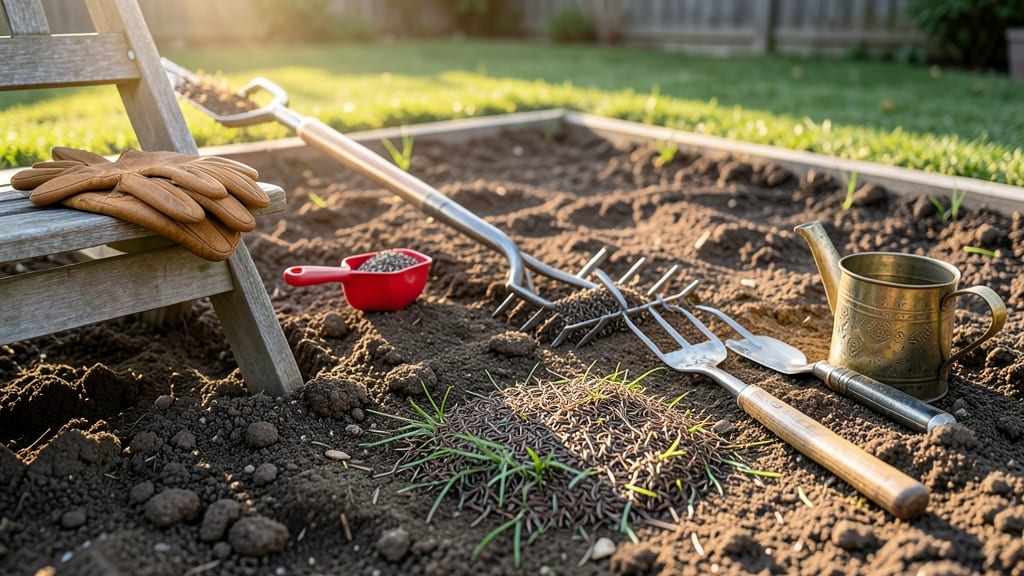
Planting grass seed in Pennsylvania’s fall season means timing it right—between mid-September and early November—when soil temps hit that sweet 50-65°F range for germination.
Miss that window, and your seeds might not survive the winter, leaving you with a patchy lawn or wasted effort. But here’s the thing: PA’s microclimates mean your neighbor’s perfect timing might not work for you.
Whether you’re in Pittsburgh’s zone 5b or Philadelphia’s 7a, soil temperature and frost dates are the real deadlines—not just the calendar. We’ll break down the exact windows for your area and how to prep your soil for success.
From choosing the right seed mix to avoiding common pitfalls, this guide will help you plant with confidence so your lawn thrives next spring.
Best fall planting dates for PA grass seed by soil temperature
Fall is the perfect time to plant cool-season grass seed in Pennsylvania, but timing depends on soil temperatures and your USDA hardiness zone.
The ideal soil range for germination is 50°F to 65°F, which typically aligns with mid-September to early November in PA’s zones 5b-7a. Planting too early or late can leave seeds vulnerable to drought stress or winter kill.
Pennsylvania’s diverse climate—from Pittsburgh’s zone 6b to Philadelphia’s zone 7a—means your planting window may shift by weeks. For example, northern PA gardeners should start earlier than those in the southeast.
The key is to plant 4-6 weeks before your area’s first frost date to allow roots to establish before winter dormancy.
Soil temperature is the #1 factor determining success. Use a soil thermometer to check—if temps drop below 50°F, germination slows dramatically. Conversely, if temps stay above 65°F, seeds may dry out or sprout too quickly, leading to weak growth. Aim for consistent 55°F-60°F for optimal results.
Here’s how PA’s zones break down for fall planting:
- Zones 5b-6a: Mid-September to early October
- Zones 6b-7a: Late September to mid-November
Early fall planting (August-September) offers warmer soil and fewer weeds, but seeds may struggle if summer heat lingers. Late fall planting (October-November) risks frost damage, but hardy varieties like tall fescue can still establish roots if planted 6 weeks before frost.
| Zone | Ideal Planting Window | Soil Temp Range (°F) | Grass Varieties | Key Tip |
|---|---|---|---|---|
| 5b (Northwest PA) | Mid-September to early October | 55°F–60°F | Kentucky bluegrass, Fine fescue | Plant before October 15 to avoid frost. |
| 6a (Central PA) | Late September to mid-October | 50°F–62°F | Tall fescue, Perennial ryegrass | Use mulch to retain warmth. |
| 6b (Pittsburgh) | Early September to November 1 | 52°F–63°F | Creeping red fescue, Mixes | Avoid planting after November 1. |
| 7a (Philadelphia) | Late September to late October | 55°F–65°F | Buffalo grass, Zoysia | Extend window with row covers. |
If you’re in zone 5b (e.g., Erie or State College), prioritize early September planting to capitalize on warmer soil before temperatures drop.
In zone 7a (e.g., Philadelphia or Reading), you can push planting into early November, but monitor soil temps closely—once they dip below 50°F, germination halts.
For best results, pair your planting date with proper soil prep. Loosen soil to 4–6 inches deep, remove weeds, and add compost or peat moss to improve drainage. Overseeding an existing lawn? Mow short (1–1.5 inches) and aerate 2–4 days before planting to ensure seed-to-soil contact.
Don’t let late fall discourage you—if you’re 2–3 weeks past your ideal window, choose fast-germinating varieties like perennial ryegrass and use row covers to
PA-specific fall planting deadlines: avoid winter risks
Pennsylvania’s fall planting window is tight—just 4-6 weeks before the first hard frost—so knowing your exact deadline is critical. In hardiness zones 6a/6b (like Pittsburgh), the average first frost arrives by October 31, while zone 7a (Philadelphia and southern PA) often sees frost by November 15.
Planting too late risks seeds freezing before establishing roots.
Rural areas with higher elevations (like the Poconos) can experience frost 2-3 weeks earlier than cities. Check your local USDA Plant Hardiness Zone Map to confirm—this is your true deadline, not just the calendar date.
For example, Pittsburgh (6b) should have seeds planted by October 15, while Philadelphia (7a) can push it to November 1.
🚨 callout warning ⚠️
⚠️ Miss These Deadlines and Risk Failure:
- Pittsburgh (Zone 6b): Plant by October 15—frost arrives by late October.
- Philadelphia (Zone 7a): Plant by November 1—frost hits mid-November.
- Rural/High Elevation: Plant by October 1—earlier frost risk.
Pro Tip: Use a soil thermometer—seeds need 50-65°F soil temps to germinate. If temps drop below 40°F, cover seeds with straw to insulate.
Adjust your timeline if you’re in a microclimate—valleys or low-lying areas frost earlier than hillsides. For example, Erie (Zone 5b) should plant by September 25, while Lancaster (Zone 7a) can wait until November 1.
Always account for 2-3 weeks of buffer time if your fall is unusually warm or cold.
If you’re planting cool-season grasses like Kentucky bluegrass or tall fescue, aim for mid-September to early October—this gives roots 4-6 weeks to establish before winter. For warm-season grasses (like Bermuda), fall planting isn’t ideal, but if you’re overseeding, stick to late August to mid-September in southern PA.
Don’t rely on the calendar—soil temperature is your real deadline. Use a soil thermometer to confirm temps are above 50°F at 2-inch depth. If frost is forecast within 2 weeks, prioritize planting over other lawn tasks.
A thin layer of straw mulch (¼ inch) can buy you 1-2 extra weeks of protection for newly planted seeds.
Remember: Early planting is always better than late. If you’re unsure, err on the side of planting sooner—seeds won’t germinate in cold soil, but they won’t survive if planted too late. With the right timing, your lawn will outcompete weeds next spring and establish deeper roots for drought resistance. 🌱