
Plants
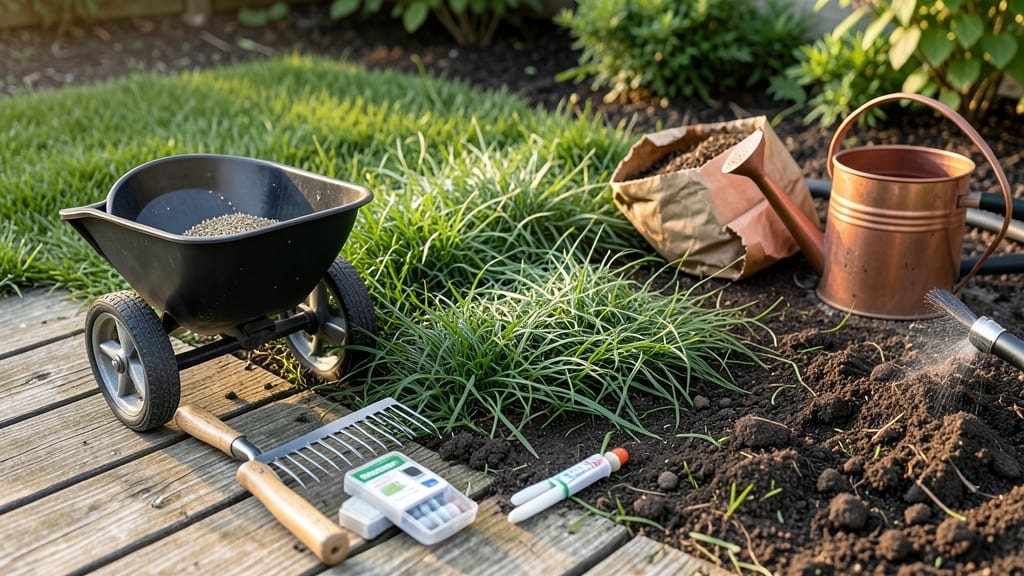
Planting grass seed in Oregon at the right time ensures strong germination and a lush lawn, especially with the state’s varied frost dates and microclimates.
Timing your grass seed planting in Oregon can mean the difference between a lush, green lawn and a patchy, struggling yard—especially with the state’s diverse microclimates from coastal fog to high-desert heat.
In zones like 7b-9a, the ideal window stretches from early spring to early fall, but coastal areas like Portland wait until mid-April, while inland spots like Medford can start as early as mid-March. Soil temperature and frost risk are the key factors.
Below, I’ll break down the best months by region, soil prep tips for Oregon’s varied conditions, and how to adjust for microclimates—so you can get that 🌱 green carpet growing strong.
Oregon’s frost-free zones: best planting months by region
Oregon’s diverse climate—from coastal fog to high-desert heat—creates distinct planting windows for grass seed. Understanding your frost-free zone ensures your lawn establishes strong roots before winter. The average last frost varies by region, from mid-March in Medford to mid-April in Portland.
For successful grass seed germination, soil temperatures should reach 50°F+. Coastal areas stay cooler longer, while inland zones like the Willamette Valley warm up faster. Early fall (September) is also ideal for cool-season grasses like Kentucky bluegrass and fescue, as they establish roots before winter dormancy.
Here’s a breakdown of Oregon’s key regions, their frost dates, and the best planting months for grass seed:
| Region | Last Frost Date | First Frost Date | Ideal Planting Months | Soil Temp for Germination | Grass Type Recommendation |
|---|---|---|---|---|---|
| Coastal (Astoria, Cannon Beach) | April 1–15 | November 1–15 | April–May, September | 50–60°F | Fine fescue, creeping red fescue |
| Willamette Valley (Portland, Salem) | April 15 | October 15 | March–April, September | 50–65°F | Kentucky bluegrass, tall fescue |
| Cascade Foothills (Bend, Hood River) | May 1 | October 1 | April–May, August–September | 55–65°F | Tall fescue, perennial ryegrass |
| High Desert (Baker City, Pendleton) | March 15 | November 15 | March–April, August–September | 60–70°F | Buffalo grass, blue grama |
In coastal Oregon, where humidity lingers, aim for April–May planting to avoid late frosts and fungal diseases. The Willamette Valley, with its milder winters, allows for early spring (March) or early fall (September) seeding.
For high-desert areas, plant in March–April to capitalize on warmer soil temperatures and avoid summer drought stress.
Soil preparation is critical—loosen the top 4 inches of soil and adjust the pH to 6.0–7.0 for optimal germination. Coastal areas may need amended soil to improve drainage, while inland zones benefit from organic matter to retain moisture. Always water deeply after planting to encourage root growth.
If you’re unsure about your local frost dates, check the Oregon State University Extension frost-free calculator or consult your county’s USDA Plant Hardiness Zone map. For example, Zone 7b–9a covers most of Oregon, but microclimates can shift planting windows by 2–4 weeks. 🌱
For cool-season grasses, early fall planting is a hidden gem—seeds germinate in the mild temperatures of September and establish roots before winter. This approach often yields a denser lawn the following spring. Just avoid planting if frost is forecasted within 2 weeks, as young seedlings are vulnerable.
In high-desert regions, summer heat can stress grass seed, so opt for August–September planting. These areas also benefit from drought-tolerant grasses like buffalo grass, which thrive in low-moisture conditions. Always mulch newly seeded areas with straw to retain soil moisture and protect seeds from wind.
One common mistake is planting too early in cooler zones, only to see seeds wash away during heavy rains or rot in cold, wet soil.
Wait until the soil is warm enough (50°F+) and consistently dry to reduce disease risk. Use a soil thermometer to monitor temperatures if you’re unsure.
How to adjust planting timing for Oregon’s microclimates
Oregon’s microclimates can shift planting windows by weeks—even within the same city. For example, Portland’s urban heat islands may push your last frost date back by 10 days compared to nearby rural areas.
Understanding these variations helps you avoid late frosts that kill tender grass seedlings or summer drought that stresses new growth.
Start by checking your local frost-free date using tools like the Oregon State University Extension’s frost calculator. Coastal areas like Astoria often wait until mid-May for warm soil, while high-desert regions like Bend can plant as early as late February when nights stay above freezing.
Elevation also plays a role—every 1,000 feet higher can delay planting by 1–2 weeks.
🌱 Key Adjustments for Oregon Microclimates
- 1. Coastal Areas (e.g., Cannon Beach): Wait until after May 15—cooler soils and marine layer fog delay warming.
- 2. Willamette Valley (e.g., Eugene): Plant between March 15–April 30; avoid April showers that compact soil.
- 3. High Desert (e.g., La Pine): Seed in late February–early March; use windbreaks to prevent seed loss.
- 4. Urban Heat Islands (e.g., Portland suburbs): Shift planting 2 weeks earlier than rural areas—concrete absorbs heat.
- 5. Mountain Foothills (e.g., Hood River): Adjust for micro-frost pockets; test soil temps nightly if planting near valleys.
For rainfall-heavy zones like the Siskiyous, prioritize planting when weekly rainfall drops below 2 inches. Use a soil thermometer to confirm temps are 50°F+ at 4-inch depth—critical for germination. In drought-prone areas like the Umatilla Basin, pre-water the soil for 48 hours before seeding to combat dry spells.
Urban gardeners should also account for heat island effects. If your yard is paved on three sides, soil may warm 5–10°F faster than rural plots. Monitor nighttime lows—if temps dip below 40°F, delay planting until stable warmth arrives.
For shaded microclimates (e.g., under large trees), choose shade-tolerant grasses like Fine Fescue and plant in late spring to avoid fungal risks.
Use Oregon’s USDA Hardiness Zone Map as a baseline, but layer in local weather station data for precision. For instance, Zone 8a in Roseburg has a longer frost-free window than Zone 7b in Corvallis—adjust your schedule accordingly.
Always test soil moisture before planting; soggy conditions in spring can suffocate seeds, while summer drought stresses new growth.
Pro tip: Bookmark the NOAA Climate Data Portal for your county. It tracks historical frost dates and 30-day rainfall forecasts, helping you time planting to avoid unpredictable weather.
Pair this with a seedling heat mat if planting in early spring—it can add 5–10°F warmth to soil, speeding up germination in cooler microclimates.