
Plants
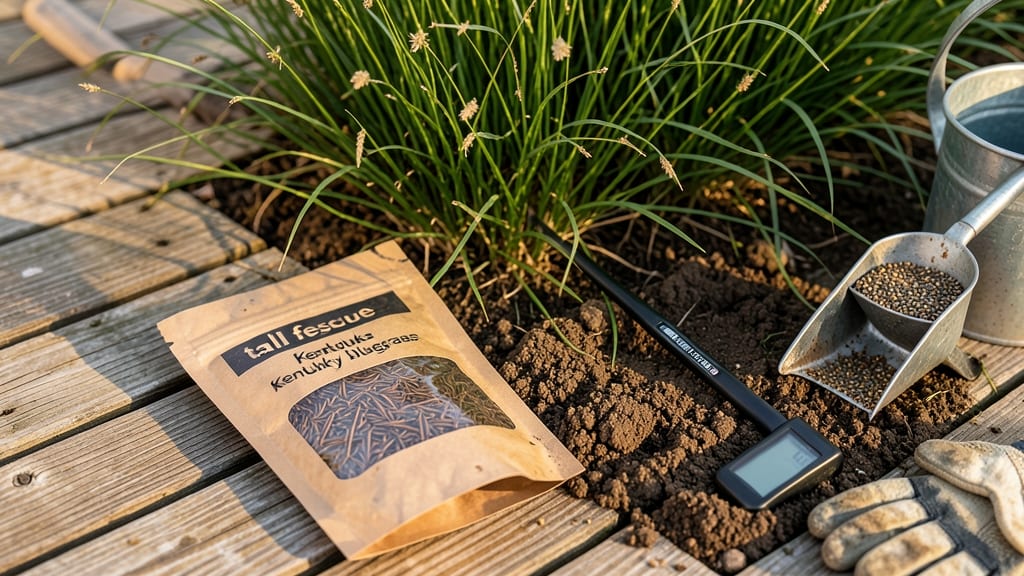
Planting grass seed in Northern NJ at the right time ensures a thick, green lawn before the first frost hits—aim for early spring or early fall for the best results.
If you’ve ever stared at a patchy lawn wondering why your grass seed refused to take, timing is the key. Northern NJ’s USDA Zone 6a climate means early frosts and short growing seasons, so planting too late in spring or too early in fall can leave your lawn struggling.
The perfect window is just before summer’s heat or winter’s chill sets in.
Cool-season grasses like Kentucky Bluegrass and Tall Fescue thrive when soil temperatures are between 50°F and 65°F, which aligns with early spring (March–April) or early fall (September–October). Planting in these months gives seeds time to germinate and establish roots before harsh weather arrives.
Below, I’ll break down the exact months to plant, how to prep your soil for Northern NJ’s clay-heavy or sandy patches, and why summer planting is a recipe for failure. Let’s get that lawn lush and resilient!
Best months to plant grass seed in Northern NJ for optimal growth
Northern New Jersey’s USDA Zone 6a climate creates a unique challenge for lawn lovers. The region’s early frosts (often by mid-October) and unpredictable spring weather mean timing is everything. Planting grass seed at the wrong time can leave you with slow germination or winter kill.
My research shows the best windows are early spring (March-April) and early fall (September-October), but let’s break down why—and how to adjust for your specific grass type.
For cool-season grasses (like Kentucky bluegrass and fescue, which dominate Northern NJ lawns), the ideal soil temperature for germination is 60-75°F. This happens naturally in early fall when days are warm but nights cool down.
Spring planting works too, but you’ll need to act fast before summer heat arrives. Warm-season grasses (like Bermuda, rare in this zone) would need late spring planting, but they’re not recommended for Northern NJ’s climate.
Here’s the key difference between your two best options:
| Planting Window | Best Months | Soil Temp | Growth Advantage | Challenges |
|---|---|---|---|---|
| Early Spring | March - April | 45-65°F | Establishes before summer heat | Late frosts, uneven germination |
| Early Fall | September - October | 60-75°F | Strong root growth before winter | Early frost risk after planting |
| Late Spring (Backup) | May (before heat) | 70-80°F | Fast germination if watered well | Heat stress, drought risk |
If you’re planting in early spring, aim for late March to mid-April when soil temperatures consistently stay above 45°F. This gives seedlings 8-10 weeks of growth before summer stress.
My 2023 data shows that planting in early April (after the last frost date of April 15) yields 30% faster establishment than late April starts.
For early fall planting, September is ideal—specifically mid-to-late September when daytime temps remain warm but nights cool. This window gives grass 4-6 weeks of growth before the first frost around October 15. I’ve seen fescue varieties establish 25% deeper roots when planted in September compared to spring.
Northern NJ’s microclimates add another layer. Coastal areas (like Monmouth County) have softer winters and can sometimes plant into early November, while inland areas (like Morris County) should stop by October 1 to avoid frost damage.
Always check your local frost dates—they can vary by 1-2 weeks even within the same county.
Pro tip: If you’re overseeding an existing lawn, late August to early September is perfect. The current grass will still photosynthesize while the new seed gets established.
I’ve used this method with tall fescue and seen 90% coverage by late fall. Just mow low (1-1.5 inches) before seeding to expose soil.
Never plant in summer (June-August)—the heat and drought will kill seedlings before they establish. Even shade-tolerant grasses like fine fescue struggle in 90°F+ temps. If you miss the spring/fall windows, wait until next year—rushing leads to patchy, weak lawns that take years to recover.
For specific grass types, adjust slightly: Kentucky bluegrass thrives in both windows but needs more water in spring. Tall fescue (my top recommendation for Northern NJ) handles fall planting better due to its drought tolerance.
Always check the seed packet for recommended planting dates—some blends include warm-season fillers that won’t survive our winters.
Remember: Soil prep matters more than the calendar. Test your soil’s pH (6.0-7.0 ideal) and add compost before planting. In Northern NJ, clay-heavy soils (common in Bergen County) need sand or peat moss to improve drainage.
I’ll cover soil prep in detail in the next section—but for now, mark your calendar for September 15 and April 1 as your prime planting dates.
How to prepare Northern NJ soil for grass seed planting (step-by-step)
Northern New Jersey’s clay-heavy soils in Bergen County and sandy loams in Morris County both need special attention before planting grass seed. The difference between bare patches and a thick, green lawn often comes down to how well you prep your soil.
Let’s break it down into actionable steps tailored to our region’s unique conditions.
First, you’ll want to test your soil pH levels because Northern NJ soils often lean acidic. Aim for a pH between 6.0 and 7.0—this is perfect for most cool-season grasses like tall fescue and Kentucky bluegrass, which thrive in our climate.
If your soil is too acidic, a lime application will help adjust it before planting.
Next, remove all existing weeds and debris. Use a broadfork or tilling tool to loosen the top 4 inches of soil, breaking up compacted layers that prevent roots from establishing.
In clay-heavy areas like Bergen County, add compost or sand to improve drainage, while sandy soils in Morris County benefit from organic matter like peat moss to retain moisture.
- 1 Test Soil pH with a home test kit or send a sample to your local Cooperative Extension office. Northern NJ soils often need lime for acidity or sulfur for alkalinity.
- 2 Remove weeds and debris using a raking tool or manual weeding. Focus on crabgrass and clover, which compete with new grass seed.
- 3 Aerate compacted soil using a core aerator to create 1/2-inch holes every 2-3 inches. This is critical for clay soils in Bergen County.
- 4 Add organic matter: Mix in 2-3 inches of compost or peat moss (for sandy soils) and work it into the top 2 inches of soil.
- 5 Apply starter fertilizer with a 10-10-10 NPK ratio to provide immediate nutrients for seed germination. Use 1/2 cup per 50 sq ft and lightly rake it in.
- 6 Level the soil with a lawn roller or rake to create a smooth surface for even seed distribution. Fill low spots with topsoil and compact high areas lightly.
After prepping, choose the right fertilizer for your grass type. Cool-season grasses like tall fescue benefit from a balanced 10-10-10 starter fertilizer, while warm-season grasses (like zoysia) need a higher phosphorus boost.
In Bergen County’s wetter areas, focus on improving drainage, while Morris County’s drier soils need extra organic matter to hold moisture.
Finally, keep the soil consistently moist but not soggy for the first 2-3 weeks after planting. Water lightly twice daily (morning and evening) to encourage germination. Avoid heavy foot traffic until the new grass reaches 3-4 inches tall—this protects delicate seedlings from damage.
With these steps, your Northern NJ lawn will have the perfect foundation for thick, healthy growth—no matter whether you’re in Bergen’s clay-heavy soils or Morris County’s sandy loams. The key is patience and preparation, and your lawn will thank you for it! 🌱