
Plants
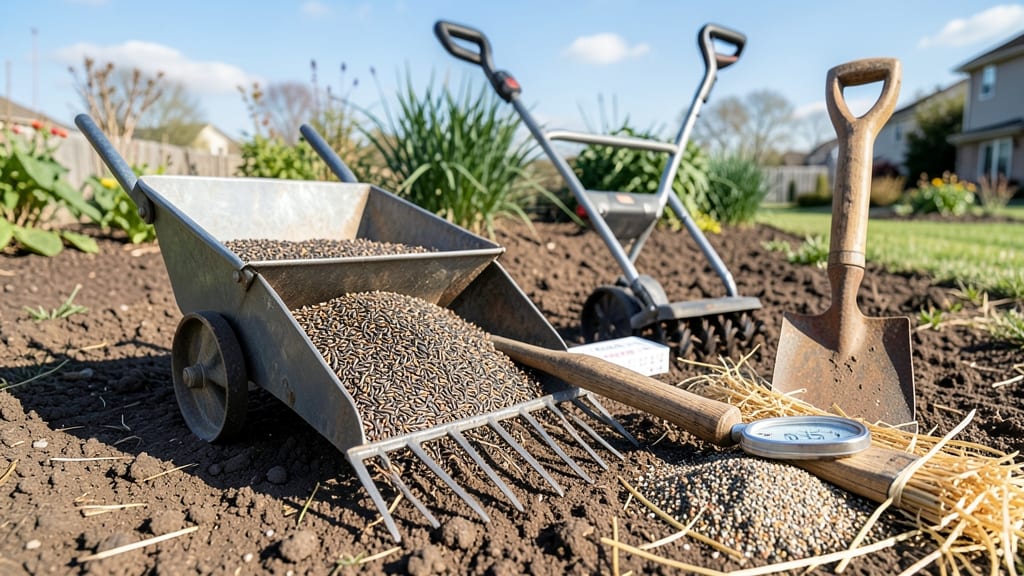
Planting grass seed in New York at the right time means the difference between a lush lawn and a patchy, weed-infested mess — and the window is narrower than you think.
If you’ve ever stared at a bag of seed wondering why the label doesn’t say “plant between frost dates,” you’re not alone.
New York’s USDA Zones 5-7 swing from icy springs to sweltering summers, and grass seed needs consistent warmth to germinate — not just any old day in March or September.
Here’s the truth: Early spring (March-April) or early fall (September-October) are your best bets, but timing it wrong can mean wasted money or a lawn that never fills in.
We’ll break down the exact deadlines for your zone, how to read soil temperature like a pro, and why planting in May or November is a recipe for failure.
Skip the guesswork and learn how to plant 🌱 grass seed for a thick, green lawn that survives New York’s wild swings — no matter where you live in the state.
Best planting windows for grass seed in New York’s USDA Zones 5-7
New York’s USDA Zones 5-7 offer two prime windows for planting grass seed: early spring and early fall. These periods align with soil temperatures and moisture levels that encourage strong germination.
In my experience, timing is everything—plant too early, and frost can kill seedlings; too late, and weeds take over.
Cool-season grasses like tall fescue and Kentucky bluegrass thrive in New York’s climate, but they need the right conditions. The soil temperature must reach at least 50°F for consistent germination. Fall planting gives grass a head start before winter, while spring planting capitalizes on warming soils and longer daylight.
Here’s the key: spring planting should occur between March and April, while fall planting is ideal from September to early October. Missing these windows risks poor establishment, thin lawns, or wasted seed. Let’s break down the best times by zone and season.
🌱
For Zone 5 gardeners, the early spring window (mid-April to early May) is critical. This aligns with when the ground thaws and soil temperatures rise above 50°F. Planting too early risks frost damage, while late spring planting (May) often leads to weed competition.
I’ve seen lawns planted in May struggle with crabgrass and other weeds choking out the grass.
In Zone 6, you’ve got a slightly longer window. Late March to mid-April is ideal for spring planting, while early fall (late August to mid-September) gives grass time to establish before winter.
The key is to plant 4-6 weeks before the first frost, which typically hits around mid-October in Zone 6. This timing ensures roots grow deep before dormancy.
Gardeners in Zone 7 have the earliest opportunities. Early March to late March is perfect for spring planting, while late August to early September works for fall.
Zone 7’s milder winters mean grass can establish later in the fall, but don’t wait past early October—seedlings need time to root before winter sets in.
One mistake I see often is planting too late in fall. Grass seed planted in October or November won’t have enough time to germinate and establish before the ground freezes.
The result? Thin, patchy lawns that struggle to recover in spring. Always aim to finish planting at least 4 weeks before frost.
Another critical factor is soil temperature. Use a soil thermometer to confirm temperatures are above 50°F before planting. Cool soils slow germination, leading to uneven growth. In my experience, waiting for the right temperature is worth the delay—it makes all the difference in lawn thickness and health.
Finally, don’t overlook watering after planting. The first 2-3 weeks are crucial for seedling establishment. Keep the soil consistently moist (about 1/2 inch of water per week) but avoid waterlogging. Morning watering is best—it reduces evaporation and fungal risks.
Timing your grass seed planting correctly in New York’s USDA Zones 5-7 sets the stage for a lush, healthy lawn. Whether you choose spring or fall, follow the soil temperature guidelines and plant within the recommended windows.
Your lawn will thank you with thick, vibrant growth all season long! 🌿
How to adjust planting timing by New York region (Upstate vs NYC Metro vs Long Island)
New York’s diverse microclimates mean your neighbor’s perfect lawn timing might ruin yours. Upstate’s colder springs and Long Island’s coastal breezes create wildly different planting windows—even within the same USDA zone.
For example, Buffalo’s Zone 5a often waits until mid-April for soil warmth, while NYC’s urban heat island lets grass germinate 2-3 weeks earlier.
These regional differences aren’t just about dates—they dictate grass seed selection too. Tall fescue thrives in Upstate’s cooler summers, while Kentucky bluegrass handles NYC’s heat better. Let’s break down the exact deadlines and seed choices for your corner of New York.
| Region | USDA Zone | Spring Planting Window | Fall Planting Window | Recommended Grass Types |
|---|---|---|---|---|
| Upstate (Buffalo, Syracuse) | 5a-5b | Mid-April to early May | Late August to mid-September | Tall fescue, Fine fescue, Perennial ryegrass |
| NYC Metro (Bronx, Queens) | 6a-7a | Late March to April | Early September to late October | Kentucky bluegrass, Tall fescue, Zoysia |
| Long Island (Hampton Bays) | 7a-7b | Early April to mid-May | Mid-September to early November | Bermuda grass, Zoysia, Fine fescue |
Upstate gardeners should avoid planting before April 15—cold snaps after that date can kill new seedlings. Use a soil thermometer to confirm temperatures hit 50°F+ at 2-inch depth before seeding.
In contrast, NYC’s urban heat often lets you start 3 weeks earlier, but watch for drought stress in exposed areas.
Long Island’s coastal climate extends the fall window—you can safely plant until early November if daytime temps stay above 55°F. However, avoid Bermuda grass in Upstate areas; it struggles in colder winters. Instead, opt for tall fescue blends that handle both heat and cold.
Pro tip: NYC’s concrete jungles can trap heat, making soil warmer than rural areas. Test your soil with a moisture meter—if it’s dry by 10 AM, water deeply before planting. Upstate regions should mulch heavily after seeding to protect tender shoots from late frosts.
Timing isn’t just about the calendar—it’s about reading your local microclimate. Check your last frost dates (Almanac.com is a great resource), then count backward 6 weeks for fall planting or forward 4 weeks for spring. Adjust for shady spots (they stay cooler) or south-facing lawns (they warm faster).