
Plants
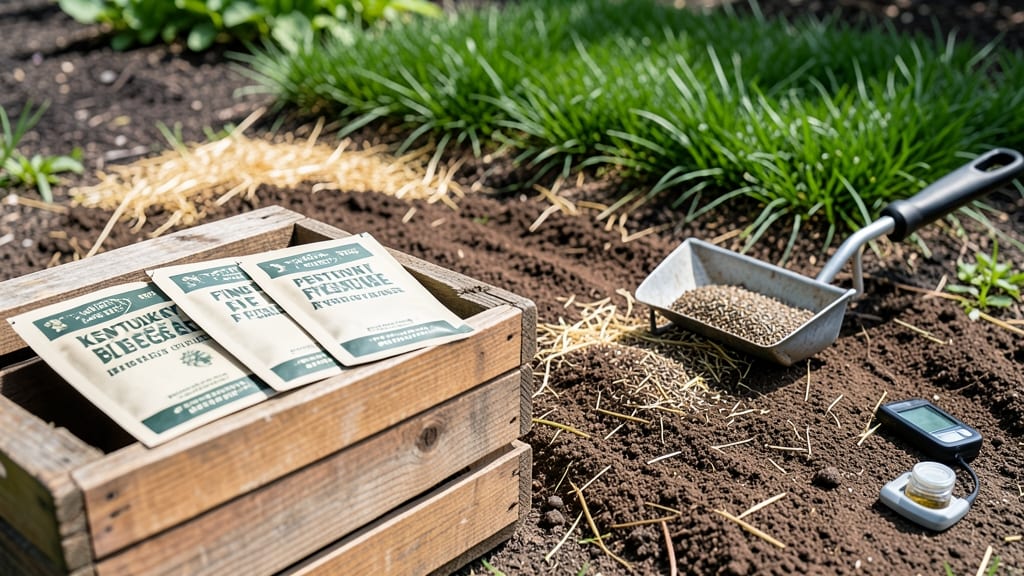
Planting grass seed in Maine at the right time means the difference between a lush lawn and a patchy, weed-infested disappointment.
The key is waiting for soil temperatures to hit 50°F or warmer—usually late April to early May—when the ground is warm enough for seeds to germinate but cool enough to avoid drought stress.
Maine’s unpredictable climate can turn a perfect lawn into a frustrating gamble—unless you time your grass seeding just right. Planting too early risks frost damage, while waiting too late means battling weeds and slow germination.
The late spring window is your best bet, but even then, coastal areas like Portland warm up faster than inland spots like Bangor.
Why does timing matter so much? Grass seed needs consistent moisture and warmth to sprout, and Maine’s short growing season leaves little room for error. A well-timed planting in May gives seeds 6-8 weeks of ideal conditions before summer heat or fall frosts slow things down.
In this guide, I’ll break down the exact soil temperature cues to watch for, the best grass seed varieties for Maine’s climate, and pro tips to ensure your lawn establishes fast—even with unpredictable weather. Let’s get started.
Maine’s ideal grass planting window: late spring soil temperature guidelines
Timing your grass seed planting in Maine isn’t just about the calendar—it’s about soil temperature. Seeds need warmth to germinate, but cool Maine springs can leave you guessing.
The sweet spot? When soil reaches 50-65°F at a 4-inch depth. This window typically opens in late May to early June for most of the state.
Why? Grass seeds won’t sprout reliably below 50°F, and waiting too long risks weed competition or drought stress. Coastal areas like Portland or Bar Harbor may warm earlier (by 1-2 weeks), while inland regions like Bangor or Presque Isle lag behind.
Always check local microclimates—a sheltered south-facing slope warms faster than a shady valley.
Here’s how to test your soil’s readiness: Use a soil thermometer (available at garden centers for under $10). Insert it 4 inches deep in the shade, and check readings at 10 AM for consistency.
If temps hover between 50-65°F for 3-5 days, your lawn is ready for seeds. Pro tip: Morning readings are most reliable—afternoon sun can skew results.
Planting too early? Frost damage or slow germination will leave you with patchy, weak grass. I’ve seen seeds planted in April wash away in sudden rain or freeze overnight, turning a $100 bag into a $10 lesson.
Late spring (after May 15) is safer, but don’t wait until July—weeds like crabgrass will outcompete your seedlings.
Regional variations matter. In Southern Maine (USDA Zone 5b), soil often hits 50°F by late April, but seeds may still struggle until May 10. Northern Maine (Zone 4b-5a) can wait until June 1.
Use the USDA Plant Hardiness Map to narrow it down, then adjust by 1-2 weeks based on your yard’s exposure.
Don’t rely on air temperature alone—soil warms slowly and retains cold longer, especially in wet or shaded areas. A sunny 70°F day might feel perfect, but the ground could still be 45°F.
For accuracy, test multiple spots in your yard, especially if you have partial shade or compacted soil.
Once your soil is warm enough, act fast! Grass seeds germinate in 7-21 days under ideal conditions, but weeds like dandelions and clover sprout even faster. Pre-emergent herbicides can help, but apply them 2 weeks before seeding—not after.
And if you’re overseeding an existing lawn, mow short (1.5 inches) first to improve seed-to-soil contact.
Watering is critical post-planting. Keep soil consistently moist (not soggy) until seeds germinate. Use a sprinkler with fine mist or a soaker hose to avoid washing seeds away. Early mornings (before 10 AM) are best to reduce fungal diseases from evening moisture.
Aim for 1 inch of water per week, breaking it into light daily sessions for the first 2 weeks.
If late spring slips by, don’t despair—early fall (August-September) is your second chance. Soil stays warm longer, and cooler air reduces drought stress. Just avoid planting after August 20 in most of Maine, as seedlings won’t establish strong roots before first frost.
For coastal areas, you might squeeze in a September planting, but monitor weather forecasts closely.
Remember: Patience pays off. Rushing into early spring or dawdling into summer can turn your dream lawn into a weedy eyesore. With the right soil temperature, prep, and care, your grass will establish a thick, resilient turf that survives Maine’s harsh winters and humid summers.
Now grab that thermometer—your perfect lawn starts underground!