
Plants
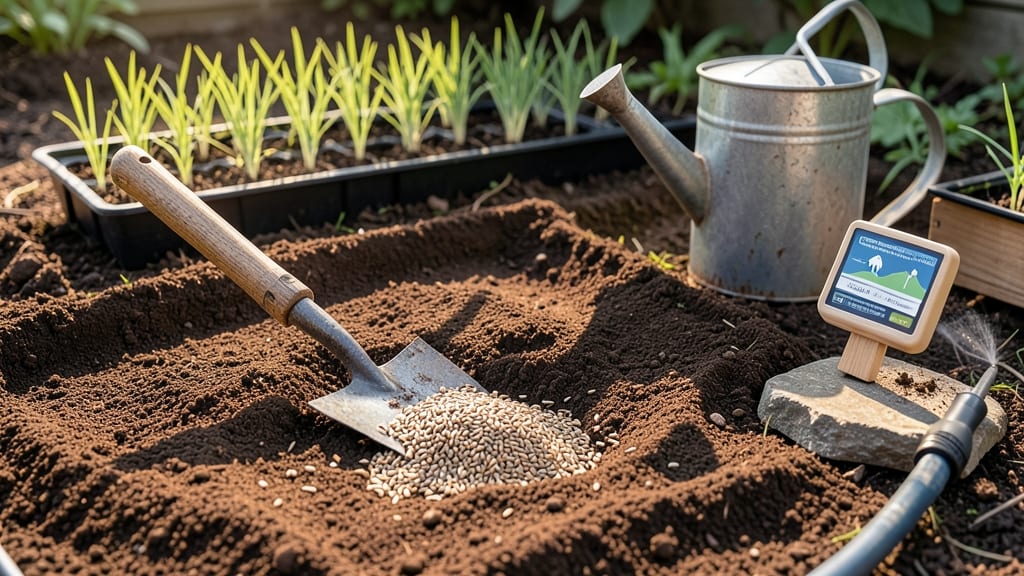
Planting grass seed in Maine spring at the right time means the difference between a lush lawn and a patchy, weed-infested mess.
Maine’s unpredictable spring weather can turn your grass seed into a gamble—unless you plant at the perfect soil temperature for fast, lush germination. Get the timing wrong, and you’ll waste seeds or invite weeds to take over.
For fast germination, aim for mid-April to early June when soil temperatures hit 50–65°F—the sweet spot for cool-season grasses like Kentucky bluegrass or fine fescue. Too early, and frost will kill your efforts; too late, and summer drought or weeds will steal the show.
Below, I’ll walk you through the soil temp checklist, prep steps, and Maine-specific tips to ensure your grass takes root quickly and stays weed-free all season.
Maine spring soil temperature guide: when grass seed germinates best
Maine’s spring soil temperatures can swing wildly from one week to the next, making it tricky to pinpoint the perfect time to plant grass seed. For cool-season grasses (like Kentucky bluegrass and fescue, which dominate Maine lawns), the sweet spot is 50–65°F—but timing is everything.
Plant too early, and frost will kill your tender sprouts; too late, and weeds will steal the show before your grass gets established.
Warm-season grasses (like Bermuda or Zoysia, less common in Maine) prefer 65–75°F, but they’re rarely the best choice for our climate. Instead, focus on cool-season blends tailored for Maine’s USDA Zones 5b–6b.
These varieties thrive when soil temperatures consistently stay above 50°F for at least a week, signaling that the risk of frost has passed.
Here’s the kicker: Maine’s last frost date hovers around mid-to-late May, but soil warms up much earlier—often by mid-April in southern Maine or late April in the north.
That’s why checking soil temperature (not air temperature!) is non-negotiable. A soil thermometer (available for under $15) will become your best friend this spring.
Pro tip: Test soil temperature 1 inch deep—that’s where grass seed germinates. If your thermometer reads below 50°F, wait. If it’s above 65°F, you’re risking drought stress. Aim for that golden window of 50–65°F for 5–7 days straight before planting.
| Grass Type | Ideal Soil Temp (°F) | Maine Planting Window | Tools Needed |
|---|---|---|---|
| Cool-Season (Kentucky Bluegrass, Fescue, Ryegrass) | 50–65°F | Mid-April to early June | Soil thermometer, rake, starter fertilizer |
| Warm-Season (Bermuda, Zoysia) | 65–75°F | Late May to June (rare in Maine) | Soil thermometer, heat mat (optional) |
| Maine Climate Adjustment | Wait for 50°F+ for 7+ days | Avoid planting after June 1st (weed competition) | Frost calendar, moisture meter |
Maine’s coastal areas (like Portland or Bar Harbor) warm up faster than inland spots (e.g., Auburn or Presque Isle), so adjust your timeline accordingly. For example, southern Maine might hit 50°F by early April, while northern Maine could still be chilly into May.
Always err on the side of caution—waiting an extra week to ensure consistent warmth is better than rushing and losing your investment.
Once you’ve confirmed the right soil temperature, act fast. Grass seed germinates within 7–21 days (depending on variety and moisture), but weeds can sprout even faster. Keep the soil consistently moist (not soggy) by watering lightly twice daily until germination occurs.
A light mulch (like straw) can help retain moisture and regulate temperature fluctuations.
Don’t forget to monitor your lawn after planting. If nighttime temperatures dip below 40°F, cover new seedlings with frost blankets to protect them. Conversely, if a heatwave hits (uncommon in spring but possible), provide shade cloth to prevent drying out.
Balance is key—your grass needs warmth to grow but not so much that it bakes.
For extra confidence, consult your local cooperative extension service (Maine’s is free!) or visit a nursery like Maine Lawn & Garden for seed blends formulated for our climate. They’ll often have real-time soil temperature data for your area, saving you guesswork.
With the right timing and tools, you’ll have a lush, weed-free lawn by summer—no gamble required.
Remember: The best time to plant grass seed in Maine isn’t just about the calendar—it’s about the soil thermometer. Trust the data, not the weather forecast, and you’ll set your lawn up for success. Happy planting! 🌿
Step-by-step checklist: preparing Maine soil for grass seed success
Before you spread a single seed, your Maine soil needs the right conditions to help grass take root fast. Cool-season grasses like Kentucky bluegrass and fine fescue thrive in 6.0–7.0 pH soil, but compacted or rocky ground will slow germination.
Start with these prep steps to create the perfect seedbed.
First, test your soil pH using a home kit or send a sample to the UMaine Soil Testing Lab. If your soil is too acidic (<6.0), add lime 2–3 months before planting.
For alkaline soil (>7.0), work in sulfur or peat moss to lower the pH gradually. This step is critical—Maine’s clay-heavy soils often need adjustments.
- 🔹 Test soil pH (aim for 6.0–7.0); adjust with lime or sulfur if needed.
- 🔹 Loosen top 2–3 inches of soil with a tiller or broadfork to break compaction.
- 🔹 Remove debris (rocks, sticks, weeds) using a rake or garden fork.
- 🔹 Level the surface with a lawn roller or drag mat for even seed distribution.
- 🔹 Choose cool-season seed (e.g., tall fescue for shade, perennial ryegrass for fast germination).
- 🔹 Apply starter fertilizer (high in phosphorus) to boost root growth.
- 🔹 Lightly water the soil 1–2 days before seeding to moisten without flooding.
Next, focus on soil aeration. Maine’s heavy clay soils compact easily, especially after winter. Rent a core aerator to pull small plugs of soil (1/2–3/4 inch deep) and improve air and water flow.
For small areas, a manual broadfork works too. Avoid tilling too deep—you’ll disrupt roots of existing grass or weeds.
After loosening the soil, remove all debris, including rocks, weeds, and thatch layers thicker than 1/2 inch. A bow rake is perfect for this task. Leaving debris can smother seeds or attract pests.
Once clear, level the area with a lawn roller or drag mat to ensure seeds make even contact with the soil. Uneven surfaces lead to patchy germination.
For Maine’s climate, pick a cool-season grass blend that includes tall fescue (drought-tolerant) and perennial ryegrass (fast germinating). Avoid warm-season grasses like Bermuda—they struggle in Maine’s short summers.
Sprinkle seeds at the rate on the package (typically 4–8 lbs per 1,000 sq ft) and lightly rake them into the soil to ensure good contact.
Finally, water deeply 2–3 times daily for the first week to keep the top 1–2 inches of soil moist. Use a sprinkler set to a fine mist to avoid displacing seeds.
Once sprouts appear (in 7–21 days), reduce watering to 1 inch per week. Mulch with straw (not wood chips) to retain moisture and protect seeds from drying out.