
Planting
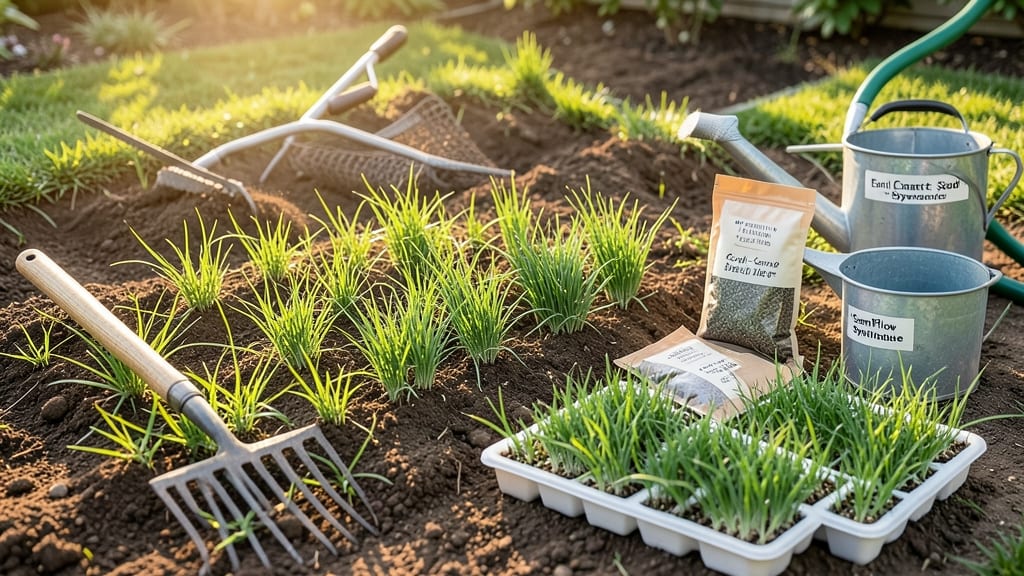
Planting grass seed in Illinois at the right time means the difference between a lush, green lawn by summer and a patchy, slow-growing disappointment 🌱—and the clock starts ticking earlier than you might think.
If you’ve ever waited until Memorial Day to seed your lawn, only to watch weeds take over before the grass even sprouts, you know how critical timing is.
Illinois’ unpredictable spring frosts and shifting soil temperatures make this a high-stakes game—get it wrong, and you’re staring at wasted seed and months of frustration.
The fastest, most reliable windows are early spring (as soon as soil hits 50°F) and early fall (when temps stay above 65°F but nights cool down).
That’s March-April for cool-season grasses like Kentucky bluegrass and September-October for warm-season varieties, but your exact weeks depend on whether you’re in Chicago’s Zone 5 or Southern Illinois’ milder Zone 6.
Below, I break down the exact soil temperature triggers, regional adjustments, and the 3 mistakes that turn seed into mulch—so you can plant with confidence and see results in just 2-3 weeks.
Best planting windows for Illinois grass seed by soil temperature (with exact weeks)
Timing your grass seed planting in Illinois isn’t just about picking a month—it’s about soil temperature and microclimates that determine success. Cool-season grasses like Kentucky bluegrass and fescue thrive when soil stays between 50-65°F, while warm-season types like Bermuda and zoysia need 65-75°F to germinate.
Get it wrong, and you’ll waste seed or invite weeds.
Illinois spans USDA zones 5-6, meaning frost dates vary dramatically—from mid-April in northern areas to late March in southern regions. The key is planting when the ground warms enough for germination but before summer heat stresses seedlings.
Let’s break down the exact weeks for each grass type based on soil temps and your location.
⚠️ PRO TIP: Use a soil thermometer (just $10) to confirm temps—don’t guess! Planting too early risks frost damage, while waiting too long invites weeds or heat stress.
For cool-season grasses, early spring (March) and early fall (September) are your sweet spots. In northern Illinois, aim for week 3-5 of March—when soil temps consistently hit 50°F—or week 1-3 of September for fall planting.
Southern Illinois gardeners can start 1-2 weeks earlier thanks to warmer microclimates.
Warm-season grasses like Bermuda and zoysia demand patience. Wait until soil temps hit 65°F—typically late April to early May in southern Illinois and May in the north. Planting too early risks seed rot, while waiting too long means weeds take over before germination.
Pro move: Test your soil 1-2 weeks before planting. Stick a thermometer 2 inches deep in shaded soil (morning is best). If temps dip below 50°F for cool-season grasses or 65°F for warm-season types, wait. Rushing leads to patchy lawns—trust the science!
After planting, keep seedbeds moist but not soggy for the first 2-3 weeks. Use a light mulch (straw, not hay) to retain moisture and block weeds.
Water early morning to reduce fungal risks. With the right timing, you’ll see uniform germination in 7-14 days for cool-season grasses or 2-3 weeks for warm-season types.
Remember: Illinois’ last frost averages mid-April in the north and late March in the south, but microclimates (like urban heat islands) can shift this by 1-2 weeks. Check your local Cooperative Extension Service for hyper-local data—it’s worth the 5-minute call!
Once your grass hits 2-3 inches tall, it’s time to mow—but only if it’s 30% taller than your target height. And here’s a secret: Fall planting often yields thicker lawns because cool temps reduce weed competition and stress on seedlings. 🌱
How Illinois’ microclimates affect your planting schedule (northern vs southern regions)
If you’ve ever planted grass seed in Chicago and watched it freeze overnight, or tried seeding in Southern Illinois only to see it bake under summer heat, you’ve experienced Illinois’ microclimates firsthand.
These regional differences—just 200 miles apart—can shift your ideal planting window by 4-6 weeks, making all the difference between success and failure.
Northern Illinois (like Chicago and Rockford in USDA Zone 5) has a shorter growing season with later springs and earlier frosts, while Southern Illinois (around St. Louis and Carbondale in Zone 6) enjoys warmer springs and longer falls.
These variations mean your last frost date could be 3 weeks earlier in the south, giving you a head start on seeding.
Below, I break down how these microclimates impact your planting schedule, which grass types thrive where, and how to adjust your approach for rainfall patterns that differ dramatically between regions.
In Northern Illinois, where last frosts often linger until mid-April, your safest bet is to wait until late April or early May for cool-season grasses like Kentucky bluegrass. These varieties need consistent soil temps above 50°F to germinate, and planting too early risks frost damage.
For fall seeding, aim for early September—this gives grass 6-8 weeks to establish before winter sets in.
Meanwhile, Southern Illinois gardeners can start as early as mid-March thanks to milder winters, but be prepared for higher rainfall that can lead to soil compaction.
If you’re planting warm-season grasses like Bermuda or zoysia, wait until soil temps hit 65°F+ (usually late April–May) to avoid fungal issues from prolonged moisture.
One critical adjustment for both regions? Seed selection. Northern areas thrive with cool-season grasses that tolerate frost, while Southern Illinois’ humidity suits heat-tolerant varieties like Bermuda. Also, Southern Illinois’ higher summer rainfall means you’ll need to monitor for fungal diseases—choose disease-resistant seed if you’re seeding in late summer.
Pro tip: Use a soil thermometer to confirm temps before planting—this is your best tool for beating Illinois’ unpredictable microclimates. And if you’re in a transition zone (like Peoria or Springfield), split your seeding between early spring and fall for year-round green.