
Plants
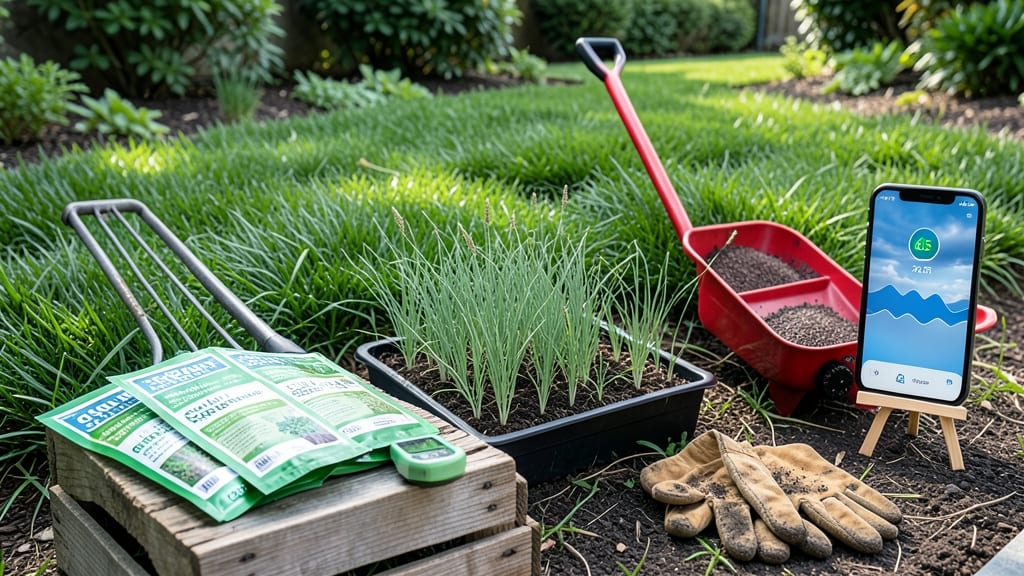
Planting grass seed in Connecticut at the right time ensures fast, uniform growth and a lush lawn—so timing is everything for your 🌱 project.
Planting grass seed at the wrong time in Connecticut can mean wasted money, slow growth, or even failure—so timing is everything for a lush, fast-growing lawn.
Connecticut’s 5b-6b zones demand precision: plant too early, and frost will kill your seedlings; too late, and summer heat stresses them before they take root.
Below, I break down the exact frost-free windows for spring and fall, soil prep tricks to speed up germination, and how to adjust for your specific CT county’s microclimate.
Best planting windows in CT by hardiness Zone (and when to avoid)
Connecticut’s USDA hardiness zones 5b-6b create a unique challenge for grass seed planting—get the timing wrong, and you risk frost damage or slow germination. The key is planting when soil temperatures stay consistently above 50°F but before summer heat sets in.
For most of CT, that means early spring (March-April) or early fall (September-October), with 6-8 weeks before the first frost to ensure strong root establishment.
In Zone 5b (northern CT), frost lingers longer—planting in late April or mid-September gives seeds the best chance. Meanwhile, Zone 6b (southern CT) can handle early March or late October plantings, but avoid June-August when heat stresses young grass. Understanding these windows saves time, money, and frustration.
Here’s a quick breakdown of CT’s optimal planting windows by zone, including soil temperature and frost risk factors:
Spring planting in CT works best when you aim for 4-6 weeks before the last frost—typically mid-March to early April. This gives seeds time to germinate before summer heat arrives.
For example, in Hartford (Zone 5b), planting in late April ensures seeds sprout before temperatures climb above 70°F, which can inhibit germination.
Fall planting is often more successful in CT because cooler temps reduce weed competition and pest pressure. Seed planted in September has 6-8 weeks to establish roots before winter. In New Haven (Zone 6b), you can even push it to late October if soil stays above 50°F.
Just monitor weather forecasts—a late frost can wipe out young seedlings.
One critical mistake CT gardeners make is planting too early in spring when soil is still cold. Grass seed needs consistent warmth to germinate—if temps drop below 40°F, seeds may rot.
Use a soil thermometer to confirm temps are above 50°F before planting. For fall, wait until daytime highs stay below 80°F to avoid heat stress.
If you’re in coastal CT (e.g., Groton or New London), your microclimate may allow earlier spring or later fall planting due to moderating ocean breezes. Inland areas like
How to prepare your CT lawn for seed planting (soil, weather, and prep checklist)
Before planting grass seed in Connecticut, your lawn needs the perfect foundation—think of it like laying the groundwork for a high-performance lawn. Start by testing your soil pH, which should ideally be between 6.0-7.0 for most grass types.
Connecticut’s clay-heavy soils often need compost or lime to improve drainage and fertility.
Cool-season grasses like Kentucky bluegrass and fescue thrive in CT’s climate, while warm-season types like Bermuda grass struggle in our cooler summers. Choose your seed based on your lawn’s sun exposure—full sun areas need drought-tolerant varieties, while shady spots require fine fescue.
Weeds are your biggest enemy before planting. Use a non-residual herbicide 2-3 weeks before seeding to kill existing weeds without harming your new grass. For organic options, try corn gluten meal, which also acts as a natural pre-emergent.
🌱 Key Takeaway: When to Plant Grass Seed in CT
March-April
(4-6 weeks before last frost)
September-October
(6-8 weeks before first frost)
50-65°F
(Use soil thermometer)
6.0-7.0
(Test with kit)
⚠️ Pro Tip: Avoid planting when daytime temps exceed 85°F—seedlings will dry out before establishing roots.
After weed control, loosen the soil to a depth of 3-4 inches using a garden rake or tiller. This creates the perfect seed bed where roots can penetrate easily. For compacted areas, consider core aeration in the weeks leading up to planting.
Spread a starter fertilizer (high in phosphorus) over your prepared soil to give seedlings a nutrient boost. Then, scatter your grass seed evenly using a broadcast spreader, aiming for 10-15 seeds per square inch. Lightly rake the seed into the soil to ensure good soil contact.
Finally, create a protective mulch layer of straw or peat moss (¼ inch thick) to retain moisture and shield seeds from birds. Water gently but thoroughly—keep the soil consistently moist (not soggy) until germination, which typically takes 7-21 days depending on temperature.