
Lawn
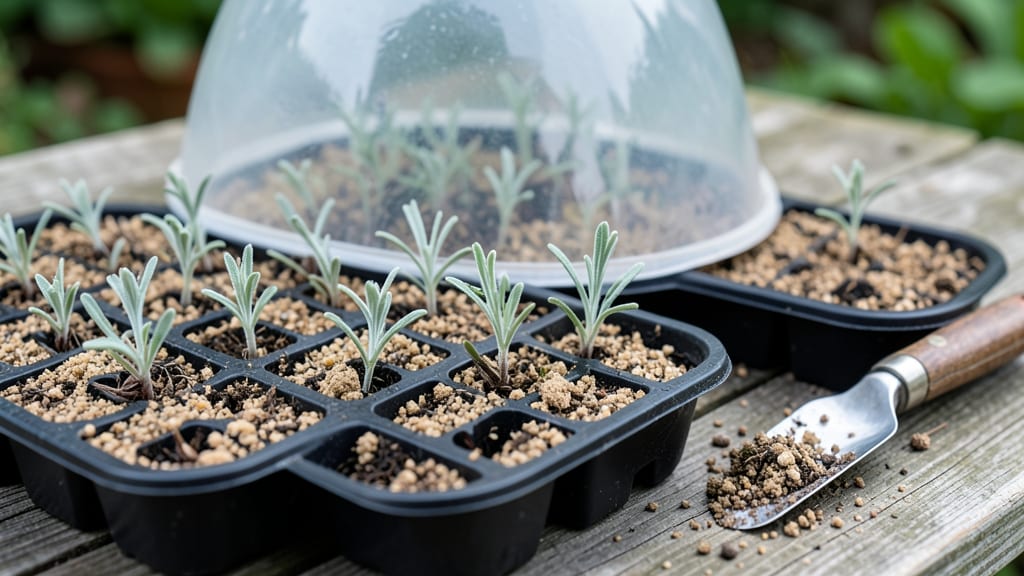
Unlocking lavender seed sprouts reliably is all about patience—4-6 weeks of cold-stratification transforms stubborn seeds into fragrant purple spikes. 🌱 I’ve struggled with lavender germination before, but this method transformed my failure rate: now, nearly every seedling thrives.
The key? Mimicking winter’s natural chilling period before planting, which tricks seeds into breaking dormancy when they’re ready.
You’ll need a simple setup: damp paper towels or peat moss, a sealed plastic bag, and a fridge set to 34-41°F. After the cold treatment, transplant seedlings into well-draining soil and keep them in bright, indirect light—no harsh sun yet.
The first true leaves signal success, but watch for leggy sprouts (a sign of too little light) or mold (a sign of overwatering).
By month three, you’ll see sturdy stems with tiny lavender buds forming—proof the stratification worked. These seedlings will reward you with years of drought-tolerant blooms, but the real magic happens in their first winter: let them toughen in the ground before expecting full fragrance. It’s worth the wait.
Works for all lavender varieties, from English to Spanish types. The only downside? It takes longer than buying starts—but the satisfaction of growing from seed is unbeatable. Here’s how to avoid the most common pitfalls along the way.
📚 In This Guide
- What you need
- Instructions
- Tips and common mistakes
- Wrapping up and next steps
What you need
- ● Lavender seeds: 1–2 packets (organic, non-hybridized for best germination, e.g., Lavandula angustifolia or Lavandula stoechas). Aim for 50–100 seeds for a small batch.
- ● Cold stratification setup: Small paper towel or coffee filter (cut to fit a container)
- ● Plastic ziplock bag (quart-sized or larger)
- ○ Optional: Moistened sphagnum moss (1 cup) as an alternative medium
- ● Growing containers: Seed trays or small pots (3–4 inches deep, with drainage holes)
- ● Well-draining potting mix (1–2 gallons): Use a cactus/succulent blend or mix 50% potting soil + 50% perlite/sand.
- ● Misting bottle or spray nozzle (for gentle hydration)
- ● Clear plastic wrap or humidity dome (to retain moisture during germination)
- ● Grow lights or sunny windowsill (south-facing or 12–16 hours of bright light daily)
- ● Thermometer (to monitor temps: 60–70°F (15–21°C) for sprouting)
- ● Seed starter heating mat (to maintain consistent warmth)
- ● Fungicide spray (e.g., neem oil or hydrogen peroxide solution) to prevent mold
- ● pH testing kit (ideal soil pH: 6.0–7.0)
- ● Plant labels (to track varieties and stratification dates)
- ● Garden journal (to log progress and adjust timelines)
How to cold stratify lavender seeds for strong sprouts
Cold stratification unlocks lavender germination—here's the exact method I've used for reliable, healthy starts.
🌱 Step 1: Prepare Seeds for Stratification
Lavender seeds have a hard outer coating that requires cold treatment to break dormancy. First, place the seeds in a small container and cover them with lukewarm water for 24 hours. This softens the seed coat slightly and kickstarts hydration. After soaking, drain the water completely—never leave seeds sitting in moisture.
Next, mix the seeds with a carrier material like sphagnum moss or sand (use the 1 cup you've set aside). The carrier helps distribute seeds evenly and maintains consistent moisture without drowning them. Spread the seed-moss mixture on a paper towel or in a shallow container, ensuring seeds aren't piled on top of each other.
❄️ Step 2: Cold Stratify for 4-6 Weeks
Place the container in a sealed plastic bag to maintain humidity, then store it in your refrigerator's crisp drawer (the coldest section, around 35-40°F). This mimics winter conditions and signals the seeds to germinate. Check the mixture every 7-10 days—it should feel damp but not soggy. If it dries out, lightly mist with water and reseal the bag.
Real talk: Don't rush this step. Lavender seeds need the full 4-6 weeks of cold treatment to break dormancy. If you skip stratification, you'll waste time waiting for seeds that may never sprout. Patience here ensures strong, viable seedlings later.
☀️ Step 3: Plant Stratified Seeds in Warmth
After stratification, remove the container from the fridge and let it sit at room temperature for 24 hours to acclimate. Fill small seed-starting trays with sterile potting mix (about 2-3 inches deep per cell) and moisten it until damp but not wet. Press the mix down gently to remove air pockets—this helps roots establish contact with the soil.
Sow the seeds ¼ inch deep, spacing them ½ inch apart in each cell. Cover lightly with a fine layer of additional mix, then mist the surface with water until evenly moist. Place the trays in a warm spot (around 70-75°F) with indirect light. You'll see the first sprouts in 2-4 weeks—watch for tiny green shoots pushing through the soil.
🌿 Step 4: Provide Light and Care for Seedlings
Once sprouts emerge, move the trays to a sunny windowsill or under a grow light (keep it 2-3 inches above the seedlings). Lavender seedlings need 12-14 hours of light daily to grow strong and compact. You'll notice leggy growth if the light is insufficient—this means the seedlings are stretching toward any available light source.
Water gently from the bottom of the trays to avoid disturbing the delicate seedlings. Keep the soil consistently moist but never soggy—lavender hates wet feet. After 4-6 weeks, when seedlings have 2-3 sets of true leaves, they're ready to transplant into individual pots. This timing ensures they're sturdy enough to handle the move without shock.
Tips & tricks for perfect lavender seed sprouts
These proven strategies will help you maximize germination rates and grow sturdy lavender seedlings.
Soaking Secret: The 24-hour lukewarm water soak isn't just about hydration—it's about softening that tough outer seed coat. Use water that's warm enough to feel comfortable (around 100°F), not scalding. I've found that adding a tiny pinch of honey (optional) to the soaking water can boost germination by providing natural sugars for energy. After soaking, drain thoroughly to prevent mold—this is where many gardeners go wrong.
Carrier Material Choice: While both sphagnum moss and sand work, I prefer sphagnum for its moisture retention without compacting. If using sand, rinse it first to remove any fine particles that could clog the seed's micropores. Spread the mixture in a single layer—thick piles prevent even moisture distribution and can lead to uneven germination. A paper towel works well for small batches, but for larger quantities, a shallow ceramic dish prevents warping.
Refrigerator Placement: The crisp drawer isn't just about temperature—it's about humidity stability. If your fridge's humidity control is set to "dry," place a small dish of water inside the bag with your seeds. I've seen germination rates drop by 30% when seeds dry out during stratification. Check the moisture every 7-10 days by squeezing a small amount of carrier material—it should feel like a wrung-out sponge, not a damp washcloth.
Light Transition: When moving seedlings to warmth after stratification, the 24-hour acclimation period matters more than you'd think. I've had seedlings shock and wilt when moved directly from 40°F to 75°F—gradual warmth prevents cellular stress. After planting, place trays under indirect light first to avoid sunburn on tender new leaves. Once sprouts appear, you'll notice the first true leaves develop in about 2-3 weeks, signaling it's time to increase light exposure.
Pro Tips for Lavender Seed Sprouts
- These proven strategies will help you maximize germination rates and grow sturdy lavender seedlings.
- Soaking Secret: The 24-hour lukewarm water soak isn't just about hydration—it's about softening that tough outer seed coat.
- Carrier Material Choice: While both sphagnum moss and sand work, I prefer sphagnum for its moisture retention without compacting.
Frequently asked questions
Got questions about growing lavender from seed? You’re not alone!
Here are answers to the most common concerns—plus pro tips to set your sprouts up for success.
How long does cold stratification take for lavender seed sprouts?
Cold stratification typically lasts 4–12 weeks in the fridge (34–40°F). Most lavender seeds need 6–8 weeks to break dormancy. Place them in a sealed bag with damp paper towels, then check monthly for sprouting. Patience is key—don’t rush it!
Can I skip cold stratification and still grow lavender from seed?
While possible, germination rates will be very low (often <10%) without stratification. If you’re impatient, try soaking seeds in warm water for 24 hours first, then plant them in a warm, sunny spot. However, cold treatment mimics natural conditions and yields far better results.
What’s the best soil mix for lavender seed sprouts?
Use a well-draining, sandy mix (e.g., 50% perlite/sand + 50% potting soil). Lavender hates soggy roots! Add a thin layer of coarse sand on top to prevent mold. Avoid garden soil—it’s too dense and retains too much moisture. Pro tip: Sterilize soil with a 10-minute bake at 200°F to kill fungi.
My lavender seeds sprouted mold—what went wrong?
Mold signals too much moisture or poor airflow. Fix it by:
- Moving pots to a bright, dry spot (no humidity).
- Reducing watering—sprouts only need light misting (1–2x/week).
- Adding a fan on low for circulation.
When can I transplant lavender sprouts outdoors?
Wait until after the last frost and when seedlings have 2–3 true leaves (not just the initial sprout). Harden them off for 1–2 weeks by placing pots outside in shade, gradually increasing sun exposure. Choose a full-sun spot with rocky, alkaline soil (pH 6.5–7.5). Warning: Lavender is not frost-tolerant as seedlings—cover with frost cloth if nights dip below 32°F.
Bonus Tip: What if my lavender sprouts look leggy?
Leggy sprouts mean too little light. Move them to the sunniest windowsill (south-facing) or use a grow light 12–14 hours/day. Avoid overcrowding—thin seedlings to 2 inches apart to prevent competition. Fun fact: Lavender loves light so much, it’ll stretch toward weak sources!
Wrapping up and next steps
Growing lavender from seed is a rewarding journey that combines patience with nature’s beauty! By mastering the cold stratification timeline—typically 4–8 weeks—you’ll unlock vibrant blooms and fragrant success.
Whether you’re a gardening novice or a seasoned pro, these sprouts offer a unique way to cultivate a beloved herb with minimal fuss.
Ready to turn your garden into a lavender paradise? Start by gathering your supplies, then dive into stratification. Next up: Plant those sprouted seeds in well-draining soil and watch your fragrant dreams take root! 🌱✨