
Plants
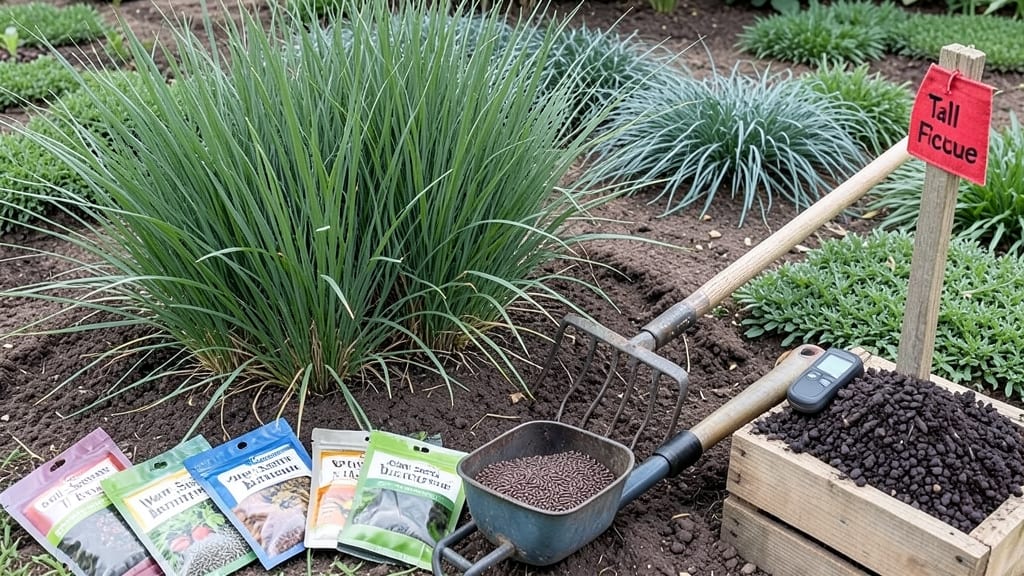
Planting grass seed in Arkansas during the frost-free window—typically early spring or late summer—sets the stage for a thick, healthy lawn.
Timing your grass seed planting in Arkansas can mean the difference between a lush green lawn and struggling seedlings—get it wrong, and you risk wasted effort or invasive weeds taking over.
Arkansas' climate zones (from 7a-8b) demand precision, but mastering the right window and soil temperature makes it straightforward. Whether you're in the cooler north or warmer south, knowing when to plant saves time and money.
Here’s your zone-by-zone guide to planting grass seed in Arkansas, including frost dates, soil prep, and the best months for germination.
Arkansas grass planting calendar: frost-free zones & best months by region
Arkansas' diverse climate creates unique challenges for grass seed planting, with North Arkansas (Zones 6b-7a) facing earlier frosts and South Arkansas (Zones 7b-8a) enjoying longer growing seasons. The frost-free window determines your planting timeline—get it wrong, and you'll battle slow germination or winter kill.
For most regions, the ideal planting window is either early spring (March-April) or late summer (August-September), but soil temperature and local microclimates play critical roles.
Cool-season grasses like Tall Fescue thrive when soil temperatures stay between 60-75°F, while warm-season varieties such as Bermuda prefer 75-85°F. In Arkansas, this means northern counties should focus on spring planting, while southern regions can extend into late summer.
Understanding your USDA zone and average last frost dates (typically March 15 in the north to April 15 in the south) ensures you plant when conditions are perfect for germination.
Here’s how Arkansas’ 8 USDA climate zones break down for grass planting, including frost-free windows and soil temperature requirements:
For North Arkansas (Zones 6b-7a), the primary planting window is March-April for cool-season grasses like Tall Fescue, which need to establish roots before summer heat sets in.
In South Arkansas (Zones 7b-8a), you can extend planting into late summer (August-September) for warm-season varieties such as Bermuda or Zoysia, which thrive in hotter conditions.
The key is avoiding extreme heat (above 85°F) or late-season frosts (after October 15 in northern regions), both of which can stunt germination or kill young seedlings.
If you’re in a transition zone (like Central Arkansas, Zone 7b), consider a two-step approach: plant cool-season grass in early spring and warm-season grass in late summer. This ensures year-round green coverage. For example, Tall Fescue will dominate spring and fall, while Bermuda takes over in summer.
Always check your local frost dates—tools like the National Weather Service or Arkansas Cooperative Extension Service provide updated averages for your specific county.
Soil temperature is just as critical as air temperature. Use a soil thermometer (available for $10–$15 at
Perfect soil temperature & weather conditions for grass seed germination in Arkansas
Grass seed germination in Arkansas hinges on two critical factors: soil temperature and weather conditions. Cool-season grasses like Tall Fescue thrive when soil temps sit between 60-75°F, while warm-season varieties such as Bermuda or Zoysia need 75-85°F for optimal sprouting.
Arkansas' humid subtropical climate adds complexity, with sudden rain showers or heatwaves that can derail your efforts.
To check soil temperature, use a soil thermometer inserted 2-3 inches deep. Morning readings between 65-75°F signal ideal germination conditions. In Arkansas, this typically aligns with late March to early April for spring planting and mid-August to early September for fall.
However, timing varies by region—northern Arkansas stays cooler longer than the Delta.
Rainfall plays a pivotal role too. Arkansas averages 4-6 inches of rain per month during growing seasons, but droughts can strike unexpectedly. Aim for 1-1.5 inches of water per week during germination, either from rainfall or irrigation.
Clay-heavy soils in the Delta region drain poorly, requiring careful monitoring to avoid waterlogging.
Arkansas' unpredictable weather demands vigilance. Sudden cold snaps in October can kill young seedlings, while summer heatwaves above 90°F may cause seed dormancy. Mulching with straw or peat moss helps retain moisture and regulate soil temperature, creating a stable environment for your new lawn.
⚠️ Arkansas-Specific Planting Pitfalls
- Soil Temp Alert: Planting when temps exceed 85°F triggers seed dormancy—wait for cooler evenings.
- Frost Risk: October cold snaps (below 50°F) can kill seedlings—cover with frost cloth if needed.
- Clay Soil Danger: Overwatering in Delta regions causes fungal diseases—amend with compost before planting.
🌱 Pro Tip: Test soil moisture daily—it should stay consistently damp but not soggy during germination.
For best results, plant when daytime highs are 70-80°F and nighttime lows stay above 55°F. This balance minimizes stress on young grass. In Arkansas, this typically means planting cool-season grasses in early spring (before April 15) and warm-season grasses in late summer (after August 1).
Monitor local forecasts closely—Arkansas' microclimates can vary dramatically even within short distances.
Once seeds sprout, maintain consistent moisture for 4-6 weeks to encourage deep root growth. Reduce watering frequency gradually as grass establishes, aiming for 1 inch per week once fully grown. Arkansas' summer humidity means morning watering is critical to prevent fungal diseases like brown patch, common in warm-season grasses.
With the right timing and conditions, your Arkansas lawn will establish quickly. The key is patience—rushing planting due to heat or drought often leads to thin, weak grass.
By following these soil temperature and weather guidelines, you'll give your new lawn the best possible start, even in Arkansas' challenging climate. 🌿