
Plants
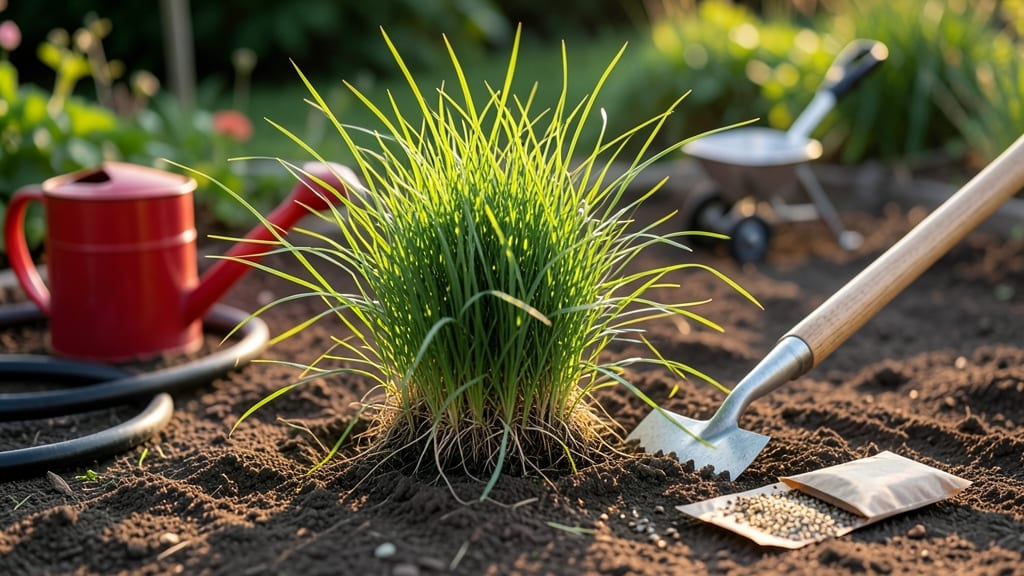
Planting fescue seed in Atlanta requires timing it just right—aim for late August through early October or early March to mid-April to beat the heat and give roots a fighting chance.
Here’s the catch: Atlanta’s summer heat can scorch fresh seeds, while planting too late means winter’s first frost will slow growth. Get it wrong, and you’re staring at patchy lawns or wasted seed. But nail the window, and you’ll have a thick, weed-resistant yard that stays green all season.
This isn’t just about throwing seed on the ground—soil temperature, rainfall, and even your yard’s microclimate (urban heat islands vs. suburban shade) play a role. I’ll break down the best months, how to prep your soil, and what to watch for when Atlanta’s weather throws a curveball.
Ready to skip the guesswork? You’ll learn the exact steps to plant fescue seed for a lawn that stays lush, whether you’re seeding in fall or spring. Let’s get started.
Best planting months for fescue seed in Atlanta’s climate zone
Atlanta’s USDA Zone 7b-8a climate creates perfect conditions for fescue grass—but only if you plant at the right time. Unlike cool-season grasses that tolerate early spring, fescue thrives when soil temperatures drop below 80°F, making late summer to early fall the gold standard.
Urban areas like Midtown often experience 5-10°F warmer microclimates than suburban neighborhoods, so timing adjustments are key to avoiding heat stress or drought.
For tall fescue varieties, the ideal window stretches from late August through early October, while fine fescue benefits from planting as late as mid-October.
Fine fescue’s delicate blades need cooler temperatures to establish roots before winter dormancy, while tall fescue’s deeper root system allows it to handle slightly warmer soil in late summer. Both varieties struggle if planted after October 15th, as cooler nights and shorter days slow germination.
Soil temperatures in Atlanta typically drop below 75°F by mid-September, signaling the perfect moment to sow seeds. Use a soil thermometer to confirm—aim for 65-75°F at a 4-inch depth. If temperatures spike above 85°F after planting, seeds may dry out before sprouting, requiring daily watering to maintain moisture.
Urban heat islands can push soil temps 10°F higher than rural areas, so suburban gardeners often have a 2-week advantage over city dwellers.
Spring planting is possible from early March to mid-April, but risks include weed competition and inconsistent rainfall. Atlanta’s April showers can either over-saturate soil or arrive too late, leaving seeds exposed.
For best results, prioritize fall planting—it gives fescue 6-8 weeks to establish roots before winter dormancy, ensuring a thicker, weed-resistant lawn by spring.
| Planting Window | Soil Temp Requirement | Atlanta Microclimate Notes | Germination Time |
|---|---|---|---|
| Late August - Early October | 65-75°F (4" depth) | Urban areas: Plant by Aug 20; Suburban: Sep 5 | 14-21 days |
| Early March - Mid-April | 50-60°F (4" depth) | Spring planting risky; weeds compete fiercely | 21-28 days |
| Tall Fescue Varieties | Tolerates up to 80°F | Best for urban heat islands; deeper roots | 14-18 days |
| Fine Fescue Varieties | Ideal below 70°F | Shade-tolerant; plant by Oct 15 | 21-28 days |
Atlanta’s unpredictable rainfall patterns add another layer of complexity. The city averages 50% more rain in September than in August, which can either help or hinder germination.
If planting in late August, use a lightweight straw mulch to protect seeds from heavy rains, while September plantings benefit from natural moisture.
Always check the 7-day forecast—avoid planting if 1+ inch of rain is expected within 48 hours, as it can wash seeds away or cause soil compaction.
For suburban gardeners, early September is often the sweet spot—soil is still warm enough for quick germination, but nights are cooling, reducing stress on young seedlings. In contrast, urban yards (especially near downtown) may require planting by mid-August to escape the "urban heat dome" effect.
Test your soil’s moisture retention by digging a 6-inch hole; if it drains faster than 30 minutes, amend with compost or peat moss before sowing.
Once seeds are in the ground, maintain consistent moisture for the first 30 days. Use a sprinkler with fine mist settings to avoid displacing seeds, and water early morning to prevent fungal diseases.
Tall fescue varieties like 'Kentucky 31' establish faster in full sun, while fine fescue thrives in partial shade—adjust your planting schedule based on your yard’s light conditions. Shaded areas may need 1-2 weeks later planting to avoid cool, damp soil that slows germination.
If you miss the fall window, spring planting is your backup—but success hinges on soil preparation. Till the ground in February, add slow-release fertilizer, and plant by March 15th to give seedlings time to outcompete weeds before summer heat arrives.
Remember, fescue planted in spring often takes 2 full seasons to reach its full density, while fall-planted lawns are 50% thicker by the following spring.
Pro tip: Mark your calendar for September 15th—this is Atlanta’s optimal planting date for most fescue varieties. By then, soil temperatures have dropped enough to prevent heat stress, while rainfall patterns still favor germination.
Pair this with a pre-emergent herbicide applied 2 weeks post-planting to suppress weeds without harming young grass. With the right timing, your fescue lawn will outcompete crabgrass and clover naturally.
How to adjust planting for Atlanta’s unpredictable weather patterns
Atlanta’s weather can shift from scorching heatwaves to sudden downpours in a single afternoon, making it tricky to time your fescue seed planting. The key is flexibility—monitoring soil temperatures, rainfall forecasts, and humidity spikes to adjust your schedule.
I’ve planted fescue in Atlanta for years and learned that even a 3-day delay can mean the difference between a thick lawn and patchy growth.
Start by checking the National Weather Service for 7-day forecasts before planting. Aim for days with moderate humidity (below 60%) and temperatures between 60°F and 75°F. If a heatwave is predicted, delay planting until temperatures drop—seeds can bake in the soil and fail to germinate.
Use a soil thermometer to confirm conditions are ideal before scattering seed.
Atlanta’s urban heat islands can raise soil temperatures by 10°F or more compared to suburban areas. If your yard is in a hotter zone, plant in the early morning or late afternoon to avoid midday heat stress.
For shaded areas, you have more leeway—cooler soil stays moist longer, reducing the risk of drought stress.
Atlanta’s afternoon thunderstorms can wash away fresh seed before it germinates. If rain is forecasted within 48 hours of planting, delay until conditions stabilize. Use a light mulch layer (like straw) to protect seeds if you must plant before rain arrives—this keeps soil moist without eroding.
For delayed planting, amend your soil with compost or peat moss to improve water retention. This gives seeds a buffer against sudden dry spells while you wait for the right window.
Prep your soil 2-4 weeks before planting to give it time to settle. Loosen the top 2-3 inches with a garden fork or tiller, then mix in organic matter like compost or aged manure. This improves drainage and helps seeds establish roots faster.
Test your soil’s pH level—fescue thrives in slightly acidic soil (pH 6.0-7.0). If your soil is too alkaline, add sulfur or peat moss to adjust it.
After planting, use mulch or straw to shield seeds from extreme weather. A ¼-inch layer keeps soil moist during dry spells and protects against heavy rain. Water gently with a fine mist nozzle to avoid dislodging seeds.
For the first 2 weeks, check soil moisture daily—fescue seeds need consistent moisture to germinate, but too much water can cause rot.
If Atlanta’s weather throws a curveball (like an unexpected late-summer drought or early frost), don’t panic. Cover newly planted areas with lightweight row covers to insulate seeds from cold snaps.
For drought conditions, water deeply every 2-3 days until germination occurs. With these adjustments, your fescue will establish strong roots regardless of Atlanta’s unpredictable swings.