
Plants
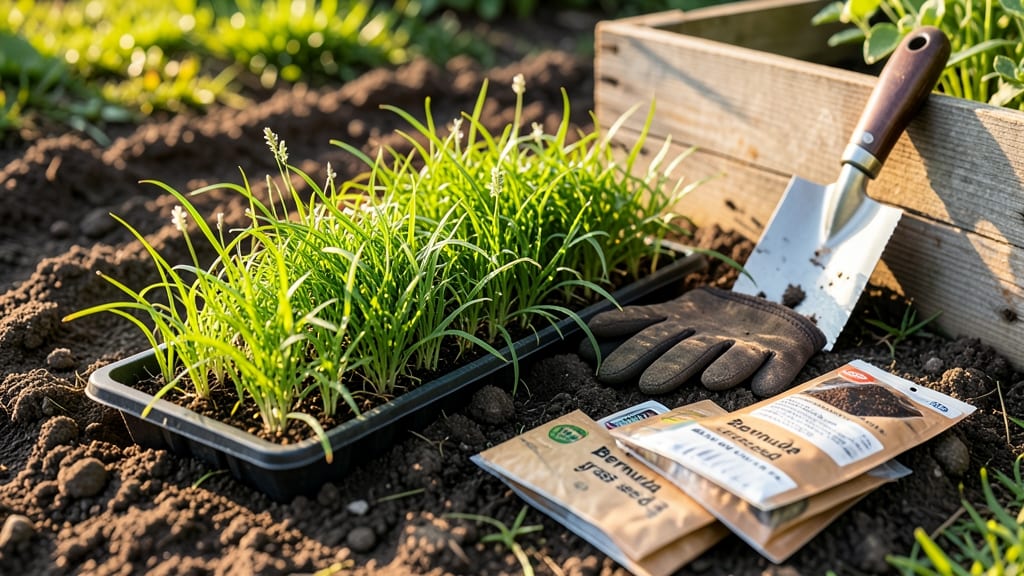
Planting Bermuda seed in Arizona between late February and early April ensures your lawn thrives in the heat—when soil temps hit 65°F+ and before the monsoon season arrives.
Arizona’s scorching summers can turn your lawn into a crispy desert if you plant Bermuda grass seed at the wrong time—but get the timing right, and you’ll have a lush, heat-resistant lawn in weeks.
This window balances soil warmth, moisture, and avoiding the monsoon’s downpours. Too early, and frost lingers; too late, and the seed struggles to germinate under relentless sun.
Below, I break down the exact soil temperature and watering schedule for Phoenix vs. Flagstaff, plus how to prep your yard for fast germination in Arizona’s extreme climate.
Optimal planting windows for Bermuda seed in Arizona’s climate zones
Arizona’s microclimates create unique challenges for Bermuda grass seed—too early, and frost can kill seedlings; too late, and monsoon rains wash seeds away. The key? Plant when soil hits 85°F+ and monsoon risks are minimal.
I’ll break down the perfect windows for Phoenix, Tucson, and Flagstaff, plus how to avoid common pitfalls.
Bermuda grass thrives in Arizona’s heat but needs precise timing. Soil temperature is your best indicator: seeds won’t germinate below 65°F, but wait too long, and summer’s intensity stresses young plants.
My strategy? Plant late February to early April in low deserts, with adjustments for higher elevations. Let’s dive into the specifics for your region.
| Region | Best Planting Window | Soil Temp Requirement | Monsoon Risk | Frost Risk |
|---|---|---|---|---|
| Phoenix (Low Desert) | Late February - Early April | 85°F+ (daytime) | Low (July-August) | None |
| Tucson (Mid Desert) | Early March - Mid-April | 75°F+ (daytime) | Moderate (July-Sept) | Rare (Dec-Jan) |
| Flagstaff (High Desert) | Mid-April - Early May | 65°F+ (daytime) | High (July-Sept) | Moderate (Nov-Mar) |
For Phoenix, aim for late February to early April when daytime soil temps consistently hit 85°F+. This window avoids both frost and the worst of monsoon season.
Use a soil thermometer to confirm—seeds need warmth to germinate quickly. I’ve planted in late March here, and germination happened in just 5-7 days with proper moisture.
In Tucson’s mid-desert climate, shift your window to early March to mid-April. Cooler nights mean you can plant slightly earlier, but avoid May—monsoon rains start in July, and seeds planted too late may wash away. Test soil moisture daily; Bermuda seed needs consistent dampness but not soggy conditions.
Flagstaff’s high-desert conditions demand patience—wait until mid-April to early May when soil warms to 65°F+. Frost is still a risk, so monitor forecasts. I’ve seen success with black plastic mulch to retain heat and speed germination in cooler areas. Never plant before May unless you’re using frost cloth.
Regardless of location, avoid planting in June or July. The intense heat and monsoon downpours create perfect conditions for seed washout and fungal growth. Instead, focus on overseeding in September if you need fall color—just know Bermuda goes dormant in winter.
Pro tip: Use a seed starter fertilizer (16-4-8 NPK ratio) at planting to boost early growth. Water lightly twice daily for the first week to keep seeds moist, then taper to deep watering every 3-4 days once sprouts appear. Shallow watering encourages weak roots.
Watch for monsoon season cues—if storms roll in before germination, cover seeds with straw mulch to prevent erosion. I’ve lost entire patches when heavy rains hit unprotected seed. A lightweight landscape fabric over seeds until sprouts reach 2 inches tall can save your investment.
Finally, mow high (3-4 inches) once Bermuda reaches 3 inches tall. This shades soil, retains moisture, and encourages dense growth. Skipping this step leads to thin, patchy lawns—something I’ve learned the hard way after cutting too early in Phoenix’s heat.
With the right timing and care, your Bermuda lawn will establish in 4-6 weeks, outlasting Arizona’s brutal summers. Start with the table above, then adjust based on your local weather patterns. Happy planting!
Preparing your Arizona lawn for Bermuda seed: soil and timing tips
Arizona’s Bermuda grass thrives when planted in well-prepared soil with the right timing. The key is balancing soil temperature, moisture levels, and monsoon season risks. Start by testing your soil’s pH level—Bermuda prefers 6.0 to 7.5.
If your soil is too alkaline, amend it with sulfur or peat moss 4-6 weeks before planting. This gives the soil time to adjust naturally.
Next, focus on drainage and sunlight. Bermuda grass demands full sun exposure (6+ hours daily) and well-draining soil. Clear any debris, aerate compacted areas, and loosen the top 4-6 inches of soil.
If your yard has heavy clay, mix in sand or compost to improve aeration. Poor drainage can drown seeds before they germinate, so prioritize this step.
⚠️ callout warning ⚠️
Planting Bermuda seed in Arizona between mid-July and September risks seed washout from monsoon rains. Instead, aim for late February to early April when soil temps hit 65°F+. If you miss this window, wait until October—but expect slower germination due to cooling temps.
🌱 Pro Tip: Use a soil thermometer to confirm 65°F+ before planting.
Before seeding, establish a pre-planting irrigation schedule. Water your lawn deeply 2-3 days before planting to settle the soil. Then, maintain consistent moisture by watering lightly twice daily (morning and evening) for the first 14 days.
This keeps seeds hydrated without washing them away. Once sprouts appear, reduce to deep watering 2-3 times weekly.
Timing your planting with Arizona’s monsoon season is crucial. The late summer rains (July-September) can create ideal moisture, but they also bring flash floods that erode seeds.
If you must plant later, choose October—just be prepared for slower growth as temps drop. Always check the 10-day forecast for rain before seeding.
Finally, consider your local microclimate. Low desert areas (like Phoenix) can plant earlier (February), while high desert regions (like Flagstaff) should wait until late April. Use a weather app to track soil temps and rainfall predictions.
With the right prep, your Bermuda seed will germinate in 7-14 days and establish a heat-resistant lawn by summer.
Remember, patience and prep are key. Bermuda grass grows aggressively once established, but it needs the perfect start. By focusing on soil health, timing, and moisture, you’ll set your lawn up for success—even in Arizona’s brutal heat. Happy planting! 🌿