
Plants
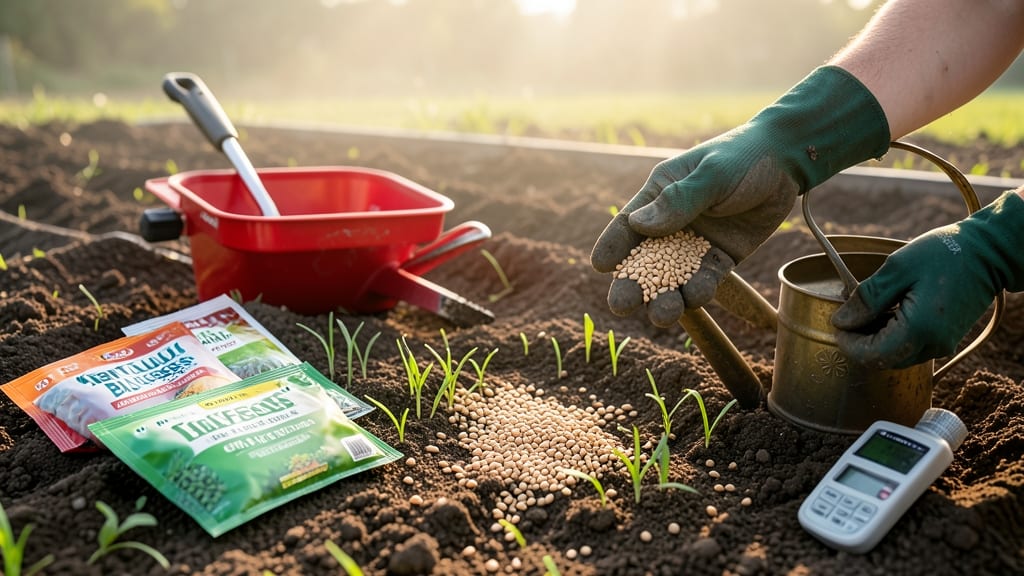
Planting grass seed in Missouri at the right time ensures deep roots, faster germination, and a lawn that survives the state’s heat and humidity 🌱—and the difference between spring and fall timing can mean the difference between success and frustration.
Missouri’s unpredictable weather can make or break your lawn—planting grass seed at the wrong time means shallow roots, weak growth, and wasted money. But timing it perfectly ensures a lush, drought-resistant lawn that thrives year-round.
Spring planting (March–April) gives you a head start, but fall (September–October) often delivers stronger roots before winter sets in. The key? Soil temperatures between 50–65°F and avoiding extreme heat or frost.
Below, I break down the best months for your region, the grass types that perform best in each season, and the critical steps to avoid common mistakes—so you can finally get that thick, green lawn you’ve been dreaming of.
Best months to plant grass seed in Missouri: fall vs spring breakdown
Choosing the right time to plant grass seed in Missouri is critical—get it wrong, and you’ll battle weak germination, patchy growth, and wasted seed. The Show-Me State’s diverse climate zones (USDA 5b-6b) mean Northern Missouri (like St. Louis) and Southern Missouri (like Springfield) have different ideal planting windows.
Let’s break down the science behind fall vs. spring planting and how soil temperatures make or break your lawn’s success.
The golden rule for Missouri lawns: plant when soil temps sit between 50°F and 65°F. This sweet spot ensures seeds germinate quickly without overheating or freezing. In Northern Missouri, aim for late August to early October for fall planting, while Southern Missouri can extend seeding until mid-October.
Spring planting works best in March to early April, but rush it, and you’ll compete with weeds and summer heat stress.
Here’s the kicker: fall planting outperforms spring 80% of the time in Missouri. Why? Cooler temps reduce weed competition, and consistent autumn rains give seeds the moisture they crave. Plus, grass roots establish deeper before winter, giving you a head start in spring.
But if you’re planting warm-season grasses (like Bermuda or zoysia), spring is your only shot—these varieties need heat to germinate.
🌱
| Factor | Spring Planting (March–April) | Fall Planting (August–October) |
|---|---|---|
| Soil Temp | 50–65°F (ideal) | 55–70°F (ideal) |
| Weed Competition | High (spring weeds) | Low (cooler temps) |
| Rainfall | Variable (drought risk) | Consistent (autumn rains) |
| Root Depth | Shallow (summer stress) | Deep (winter prep) |
| Best For | Cool-season grasses | Cool-season grasses |
| Missouri Regions | North & South | North (late Aug–Oct), South (Sept–mid-Oct) |
Missouri’s North-South divide matters. In Northern Missouri (e.g., Kansas City, St. Louis), frost can arrive as early as October 15, so wrap up fall planting by mid-October.
Southern regions (e.g., Springfield, Joplin) have milder winters, so you can seed until late October—but don’t wait too long, or germination slows dramatically.
Spring planting in Missouri is a high-risk, high-reward gamble. If you seed too early (before March 15), seeds may rot in cold, wet soil. Plant too late (after April 15
The 4–6 week window before last frost is your only shot—plan accordingly. Pro tip: Use a soil thermometer to confirm temps are above 50°F before planting. One common mistake Missouri gardeners make? Ignoring soil prep. Test your soil’s pH (ideal: 6.0–7.0) and amend with compost or lime if needed. Fall is the best time to aerate and overseed—it gives roots time to knit together before winter. Spring? Rushing prep leads to thin, weak grass that can’t handle summer heat. For cool-season grasses (like tall fescue or Kentucky bluegrass), fall is your best bet. These varieties thrive when planted in September–October, taking advantage of 60–70°F soil temps and consistent autumn moisture. If you’re planting warm-season grasses (like Bermuda or zoysia), stick to late spring (May–June) when soil temps hit 70°F+. 🌿 Here’s my final recommendation for Missouri lawns: Fall planting wins for most homeowners. It’s easier on your wallet (less watering needed), reduces weed pressure, and gives you a lusher lawn next spring. But if you’re dead set on spring planting, <
Missouri grass seed varieties: which type thrives in fall vs spring planting?
Missouri’s climate demands strategic grass seed choices—cool-season grasses like tall fescue and Kentucky bluegrass dominate spring/fall planting, while warm-season varieties such as Bermuda and zoysia need summer heat to establish. The wrong match means patchy growth or wasted seed, so let’s break down what thrives when.
Cool-season grasses peak in fall planting (September–October) because they establish deep roots before winter, while spring planting (March–April) risks shallow roots from summer heat. Warm-season grasses, however, require summer’s warmth—planting them in spring means waiting for soil temps to rise above 70°F.
Missouri’s USDA zones 5b–6b create microclimates: Northern regions favor cool-season grasses year-round, while Southern areas can handle warm-season grasses with proper fall overseeding. The key? Match your grass type to your last frost date (April 15) and first frost (October 15).
🌱 Fall vs Spring Planting: Pros & Cons
Fall Planting
- ✅ Deep roots before winter
- ✅ Less weed competition in cooler months
- ✅ Cooler soil temps reduce seed stress
Cons
- ❌ Limited window (Sept–Oct)
- ❌ Frost risk if planted too late
Spring Planting
- ✅ Longer growing season before winter
- ✅ Warmer soil speeds germination
- ✅ Wider timeframe (March–April)
Cons
- ❌ Shallow roots if summer heat arrives
- ❌ Weed competition peaks in spring
Tall fescue and Kentucky bluegrass are Missouri’s top cool-season choices—they handle fall planting beautifully but may go dormant in summer. For year-round greenness, mix tall fescue (drought-tolerant) with Kentucky bluegrass (soft, dense). Warm-season Bermuda and zoysia are ideal for Southern Missouri’s heat but need late spring/early summer planting.
If you’re in Northern Missouri, stick to cool-season grasses and plant in fall for best results. Southern regions can experiment with warm-season mixes, but always overseed with cool-season grass in fall to maintain winter coverage.
The secret? Soil temperature—cool-season grass needs 50–65°F, while warm-season thrives above 70°F.
For a low-maintenance lawn, tall fescue is my top pick—it handles Missouri’s humidity and drought while staying green longer than Kentucky bluegrass. If you want a playground-friendly lawn, Bermuda is unbeatable in summer, but you’ll need to overseed in fall.
Test your soil first—pH 6.0–7.0 is ideal for most grasses.